
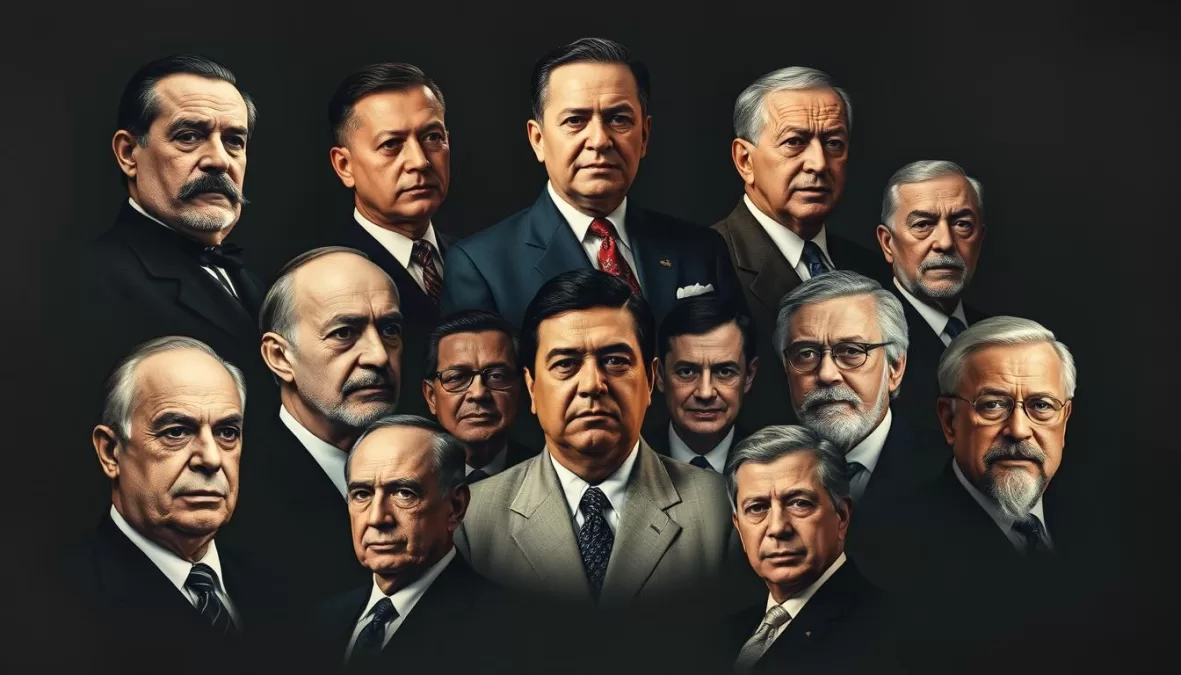
Throughout history, nations have been shaped—and sometimes damaged—by their leaders. While some presidents and heads of state have guided their countries to prosperity and peace, others have left legacies of corruption, economic collapse, and human rights abuses. This controversial ranking examines the top 10 worst presidents in world history, evaluating their failures through multiple lenses and considering the lasting impact of their disastrous leadership.
The leaders featured in our controversial ranking of the worst presidents in world history
A Note on Our Methodology
This ranking is inherently subjective and represents our analysis based on historical records, scholarly consensus, and measurable impacts of leadership failures. We’ve evaluated these leaders using multiple criteria including:
- Corruption and abuse of power
- Economic mismanagement and collapse
- Human rights violations
- Military failures and unnecessary conflicts
- Constitutional and democratic erosion
- Long-term negative impact on their nation
We acknowledge that historical context matters, and that leadership failures occur within complex political and social environments. This ranking focuses primarily on verifiable actions and outcomes rather than personal character or ideology.
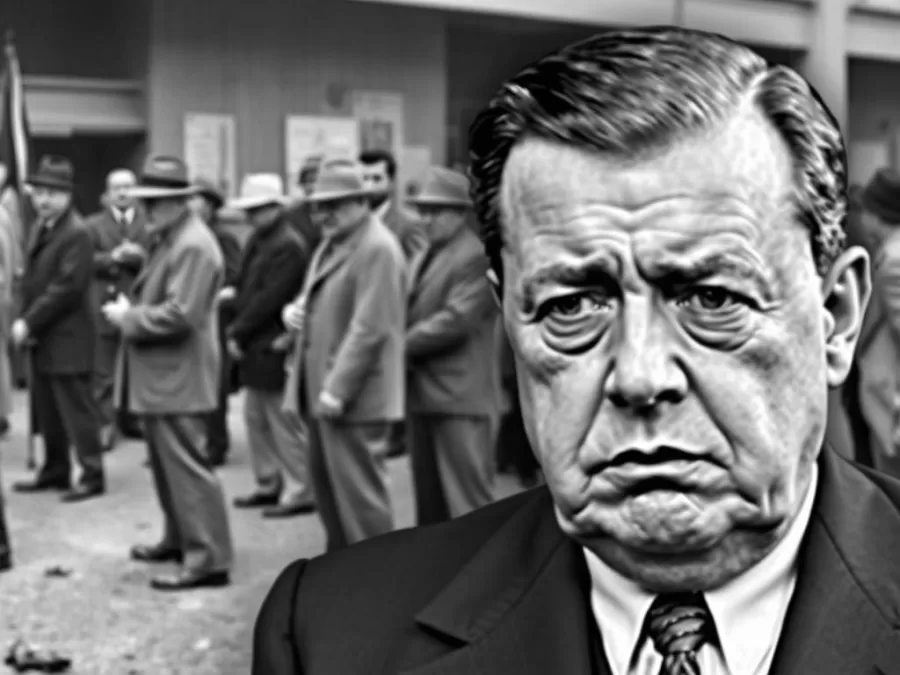
10. Herbert Hoover (United States, 1929-1933)
Herbert Hoover takes the tenth spot in our global ranking of presidential failures. Taking office just months before the devastating stock market crash of 1929, Hoover’s administration coincided with the beginning of the Great Depression, one of the most catastrophic economic collapses in modern history.
- Economic Disaster: His laissez-faire approach to the economy exacerbated the Great Depression, with unemployment reaching 25% during his presidency.
- Failed Response: Hoover’s reluctance to provide direct federal aid to suffering Americans led to widespread homelessness and poverty.
- Trade Policy Blunder: The Smoot-Hawley Tariff Act of 1930 triggered international trade wars that further damaged the global economy.
Controversial Fact: Despite his catastrophic handling of the economic crisis, Hoover was actually known before his presidency as a brilliant humanitarian who successfully coordinated food relief efforts in Europe after World War I.
9. Ferdinand Marcos (Philippines, 1965-1986)
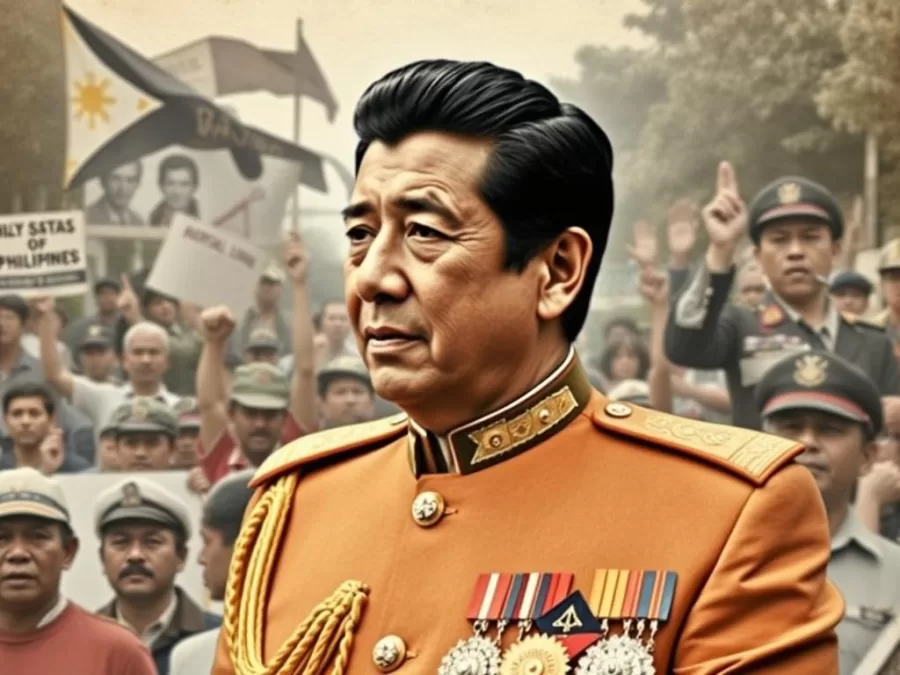
Ferdinand Marcos ruled the Philippines for over two decades, establishing one of the most corrupt regimes in Asian history. His presidency began with democratic legitimacy but devolved into a dictatorship that impoverished the nation while enriching his family.
- Martial Law: Declared martial law in 1972, suspending civil liberties and detaining thousands of political opponents.
- Massive Corruption: Amassed an estimated $5-10 billion through embezzlement and cronyism while the Philippines sank into debt.
- Human Rights Abuses: His regime was responsible for over 3,000 extrajudicial killings and 35,000 documented cases of torture.
Controversial Fact: Despite his overthrow in the 1986 People Power Revolution, the Marcos family has experienced a political resurgence in the Philippines, with his son Ferdinand “Bongbong” Marcos Jr. winning the presidency in 2022.
8. Nicolas Maduro (Venezuela, 2013-Present)
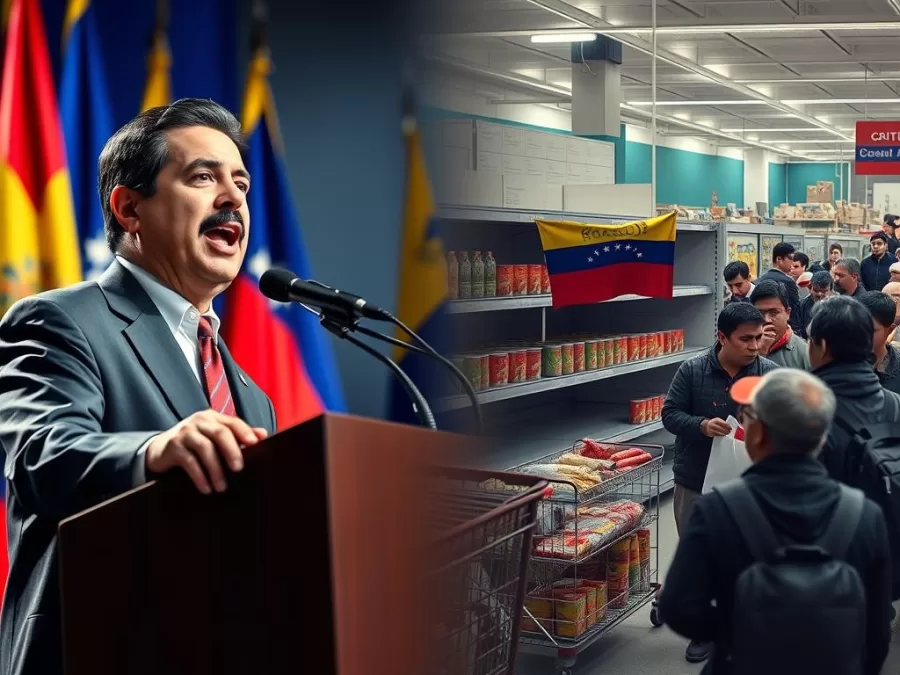
As the only current president on our list, Nicolas Maduro has overseen Venezuela’s transformation from one of Latin America’s wealthiest nations to one of its poorest. Following Hugo Chávez’s death, Maduro has maintained power through increasingly authoritarian means while the country experiences economic free fall.
- Economic Collapse: Presided over the worst economic crisis in Venezuela’s history, with inflation reaching over 1,000,000% and GDP shrinking by more than 75%.
- Humanitarian Crisis: His policies have led to severe food and medicine shortages, causing over 7 million Venezuelans to flee the country.
- Democratic Erosion: Undermined democratic institutions, imprisoned opposition leaders, and held elections widely considered fraudulent by international observers.
Controversial Fact: Despite Venezuela having the world’s largest proven oil reserves, under Maduro’s leadership, oil production has collapsed to its lowest levels since the 1940s due to mismanagement and corruption.
7. James Buchanan (United States, 1857-1861)
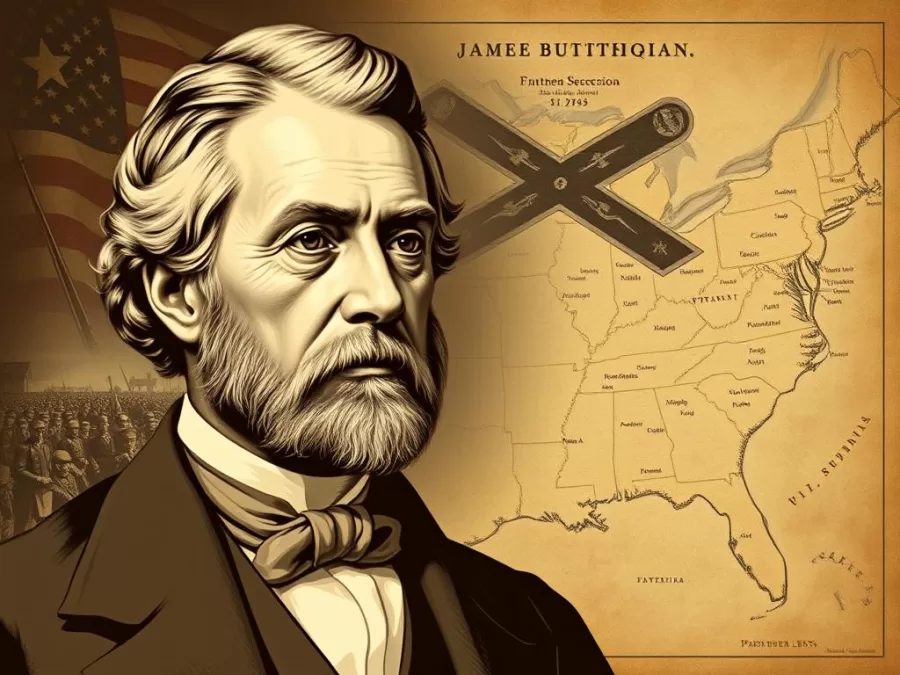
James Buchanan earns his place among the worst presidents in world history for his catastrophic handling of the American secession crisis. As the 15th President of the United States, his inaction and poor judgment directly contributed to the outbreak of the Civil War.
- Failed Leadership: Did nothing to prevent Southern states from seceding despite clear warning signs of the impending crisis.
- Pro-Slavery Stance: Supported the Dred Scott decision, which declared that African Americans could never be citizens and had “no rights which the white man was bound to respect.”
- Constitutional Abdication: Claimed he had no constitutional authority to stop secession, effectively abandoning his duty to preserve the Union.
Controversial Fact: Buchanan remains the only U.S. president who never married, and some historians believe he may have been in a romantic relationship with Alabama Senator William Rufus King, which would make him the first gay U.S. president—though this remains speculative.
6. François Duvalier (Haiti, 1957-1971)
Known as “Papa Doc,” François Duvalier transformed Haiti into a nightmarish totalitarian state during his 14-year rule. A medical doctor by training, Duvalier established one of the most repressive regimes in the Western Hemisphere.
- Reign of Terror: Created the Tonton Macoute, a secret police force that murdered an estimated 30,000-60,000 Haitians.
- Cult of Personality: Declared himself “President for Life” and cultivated a mystical image, claiming to possess supernatural powers.
- Economic Devastation: Embezzled millions in foreign aid while Haiti became the poorest country in the Americas.
Controversial Fact: Duvalier exploited Vodou religious beliefs to terrorize the population, spreading rumors that he could capture his enemies’ souls and even transform into animals to spy on dissidents.
5. Mobutu Sese Seko (Democratic Republic of Congo, 1965-1997)

Mobutu Sese Seko ruled what he renamed Zaire (now the Democratic Republic of Congo) for 32 years, becoming synonymous with kleptocracy—government by theft. His personal enrichment came at the catastrophic expense of one of Africa’s potentially wealthiest nations.
- Extreme Corruption: Amassed a personal fortune estimated at $4-5 billion while his country’s infrastructure collapsed.
- Economic Mismanagement: Nationalized foreign businesses only to hand them to cronies, causing economic output to decline by 65% during his rule.
- Political Repression: Eliminated political opposition through assassinations, public executions, and forced exile.
Controversial Fact: Despite his catastrophic rule, Mobutu received consistent support from Western powers, particularly the United States, due to his anti-communist stance during the Cold War.
4. Robert Mugabe (Zimbabwe, 1987-2017)
Robert Mugabe’s transformation from liberation hero to brutal dictator represents one of history’s most dramatic political falls from grace. After helping free Zimbabwe from colonial rule, he established a 30-year dictatorship that devastated what had been one of Africa’s most promising economies.
- Economic Destruction: His land redistribution policies and economic mismanagement led to hyperinflation reaching 89.7 sextillion percent.
- Political Violence: Orchestrated the Gukurahundi massacre of 20,000 Ndebele civilians and violently suppressed political opposition.
- Democratic Subversion: Rigged multiple elections and changed the constitution to maintain his grip on power.
Controversial Fact: Despite destroying Zimbabwe’s economy and persecuting opponents, Mugabe was appointed as a World Health Organization “goodwill ambassador” in 2017, a decision that was quickly reversed after international outrage.
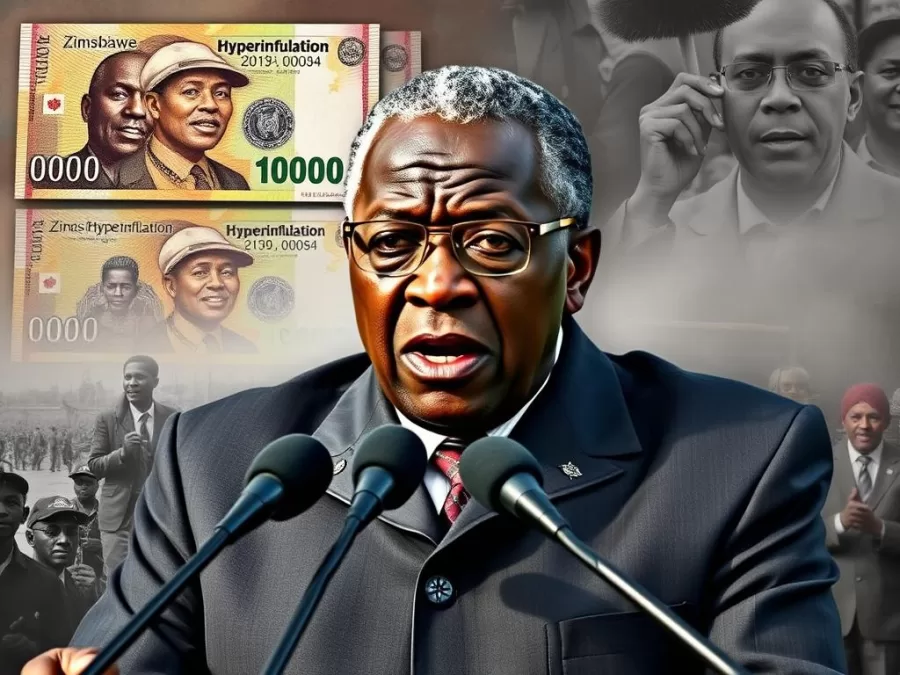
3. Idi Amin (Uganda, 1971-1979)
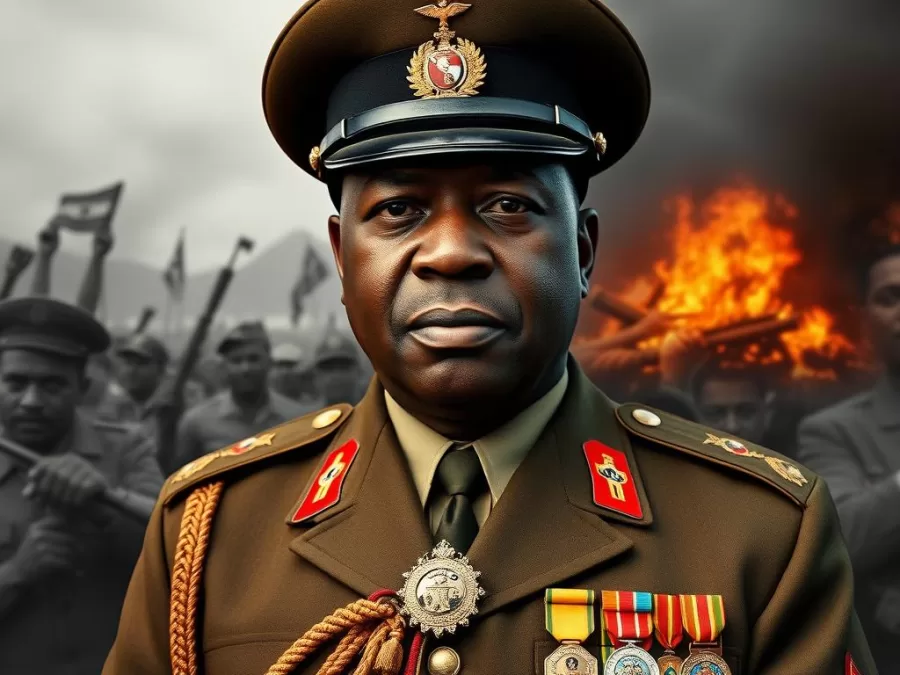
Idi Amin’s eight-year reign of terror in Uganda earned him the nickname “Butcher of Uganda.” After seizing power in a military coup, Amin established a regime characterized by ethnic persecution, extrajudicial killings, and erratic policies.
- Mass Murder: Responsible for the deaths of an estimated 300,000 Ugandans through mass executions, torture, and ethnic cleansing.
- Ethnic Expulsion: Expelled Uganda’s entire Asian population (approximately 60,000 people), devastating the economy.
- Economic Collapse: His policies led to an 80% decline in exports and the near-total collapse of Uganda’s infrastructure.
Controversial Fact: Amin awarded himself numerous grandiose titles, including “His Excellency, President for Life, Field Marshal Al Hadji Doctor Idi Amin Dada, VC, DSO, MC, Lord of All the Beasts of the Earth and Fishes of the Seas and Conqueror of the British Empire in Africa in General and Uganda in Particular.”
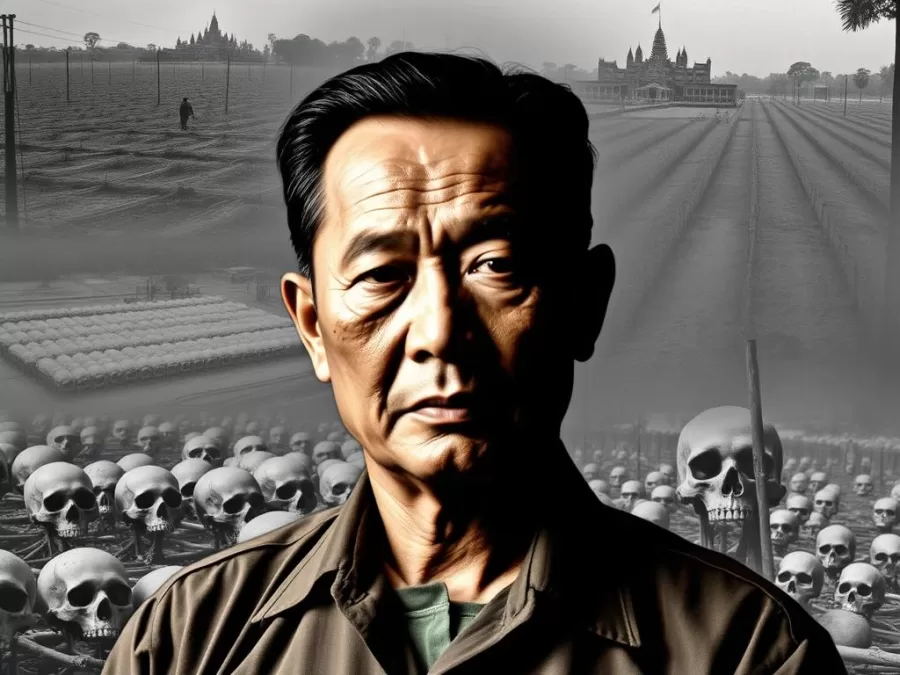
2. Pol Pot (Cambodia, 1975-1979)
As leader of the Khmer Rouge, Pol Pot implemented one of history’s most radical and deadly social engineering experiments. His attempt to create an agrarian utopia resulted in the deaths of approximately 25% of Cambodia’s entire population in just four years.
- Genocide: Orchestrated the Cambodian genocide, killing between 1.5 and 2 million people through executions, starvation, and forced labor.
- Forced Displacement: Evacuated all cities and forced the entire urban population into rural labor camps.
- Cultural Destruction: Attempted to eradicate religion, education, and traditional Cambodian culture, targeting intellectuals for execution.
Controversial Fact: Despite the horrific genocide, the United States and other Western powers supported the Khmer Rouge’s continued recognition as Cambodia’s legitimate government for years after they were ousted from power, primarily due to Cold War politics and opposition to Vietnam.
1. Adolf Hitler (Germany, 1933-1945)
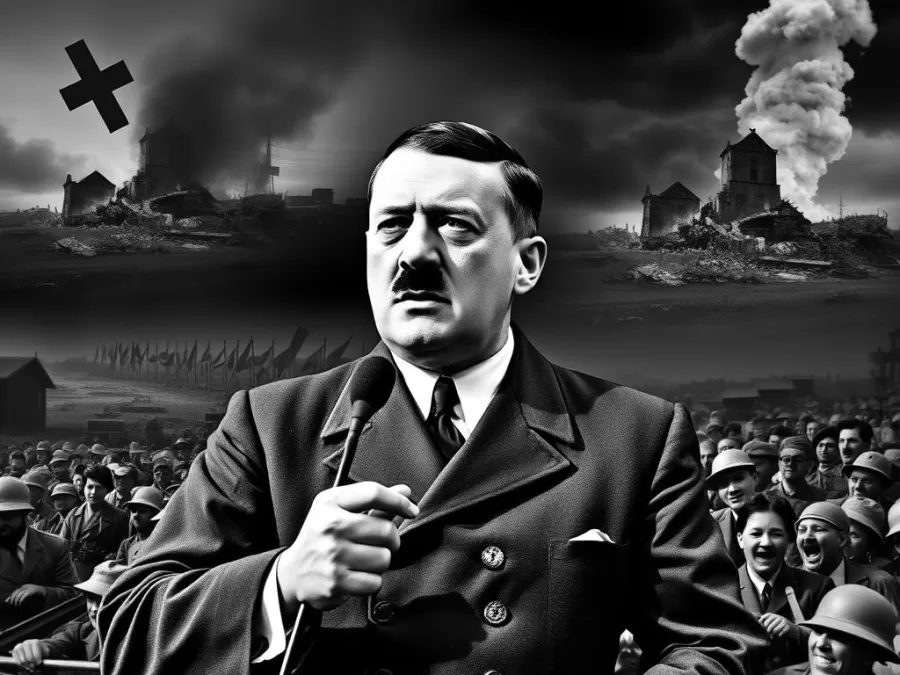
Adolf Hitler stands as the embodiment of political evil in the modern era. As Führer of Nazi Germany, his genocidal ideology, aggressive expansionism, and total war strategy led to the deadliest conflict in human history and the systematic murder of millions.
- Holocaust: Orchestrated the genocide of six million Jews and millions of others in concentration camps and death facilities.
- World War II: Initiated a global conflict that resulted in approximately 75 million deaths worldwide.
- Totalitarianism: Established a totalitarian regime that eliminated civil liberties, persecuted minorities, and used terror as a political tool.
Controversial Fact: Before his rise to power, Hitler was rejected twice from the Academy of Fine Arts Vienna, leading some historians to speculate how world history might have been different had his artistic ambitions been fulfilled.
Dishonorable Mentions
Several other leaders narrowly missed our top 10 ranking but deserve recognition for their catastrophic leadership:
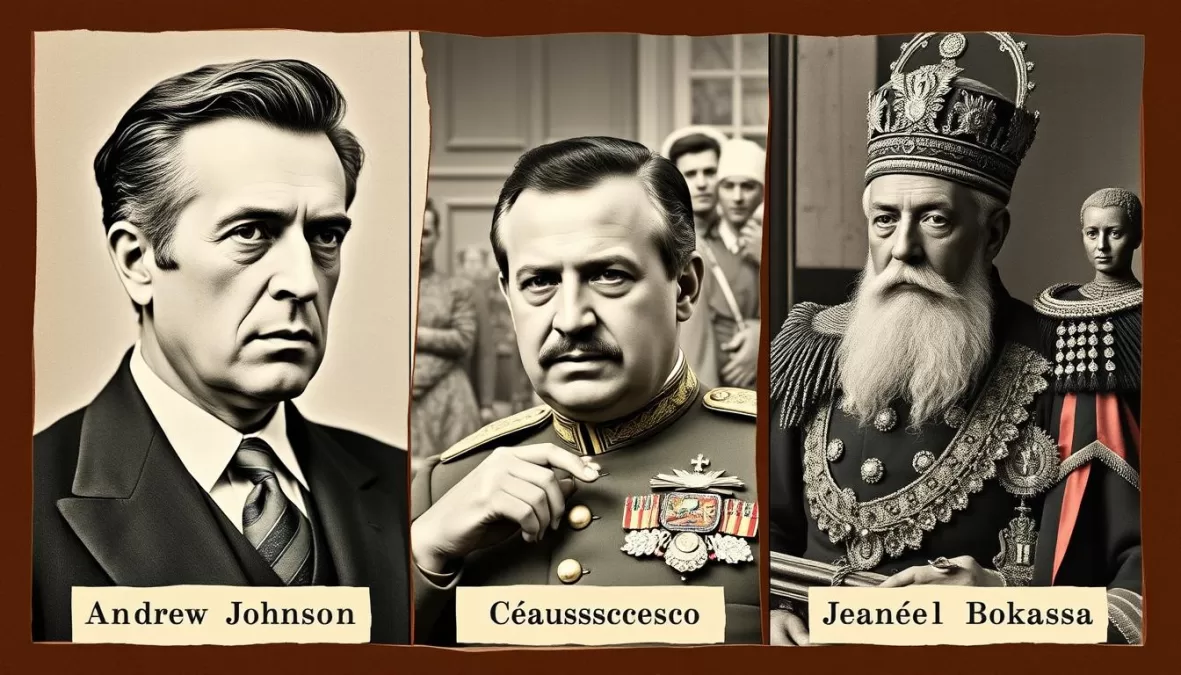
Andrew Johnson (USA)
Undermined Reconstruction after the Civil War, enabling the rise of Jim Crow laws and setting back racial equality for generations.
Nicolás Ceaușescu (Romania)
Created a personality cult while imposing severe austerity measures that left Romanians freezing and starving in the 1980s.
Jean-Bédel Bokassa (Central African Republic)
Spent a third of the national budget on his coronation as “Emperor” while his people starved and faced brutal repression.
The Legacy of Failed Leadership
The presidents and leaders in this ranking share common traits that led to their catastrophic failures: authoritarianism, corruption, ideological extremism, and a willingness to sacrifice their citizens’ wellbeing for personal power. Their legacies serve as stark reminders of how fragile democratic institutions can be and the devastating human cost of failed leadership.
While historical context matters—and some of these leaders faced genuine challenges beyond their control—their responses to those challenges revealed fundamental character flaws and governance failures that devastated their nations. By studying these worst presidents in world history, we gain valuable insights into the qualities societies should avoid in their leaders and the institutional safeguards needed to prevent such catastrophic leadership in the future.

References and Further Reading
- Dikötter, F. (2019). How to Be a Dictator: The Cult of Personality in the Twentieth Century. Bloomsbury Publishing.
- Kershaw, I. (2008). Hitler: A Biography. W. W. Norton & Company.
- Klein, H. S. (2007). The Atlantic Slave Trade. Cambridge University Press.
- Meredith, M. (2011). The Fate of Africa: A History of the Continent Since Independence. PublicAffairs.
- Schlesinger, A. M. (1997). Rating the Presidents: Washington to Clinton. Political Science Quarterly, 112(2), 179-190.
Disclaimer: This article presents a subjective ranking based on historical analysis and expert opinions. Different historians and political scientists may reach different conclusions about the relative failures of world leaders. We welcome constructive debate and acknowledge that all historical analysis contains inherent biases and limitations.

Priyanka Pandey
Senior Research Editor · Top10Sense
Priyanka specializes in tech, consumer products, and digital trends. She combines hands-on testing, vendor interviews, and database research to create trustworthy “Top 10” rankings. Her work has been referenced by industry blogs and brand report pages.