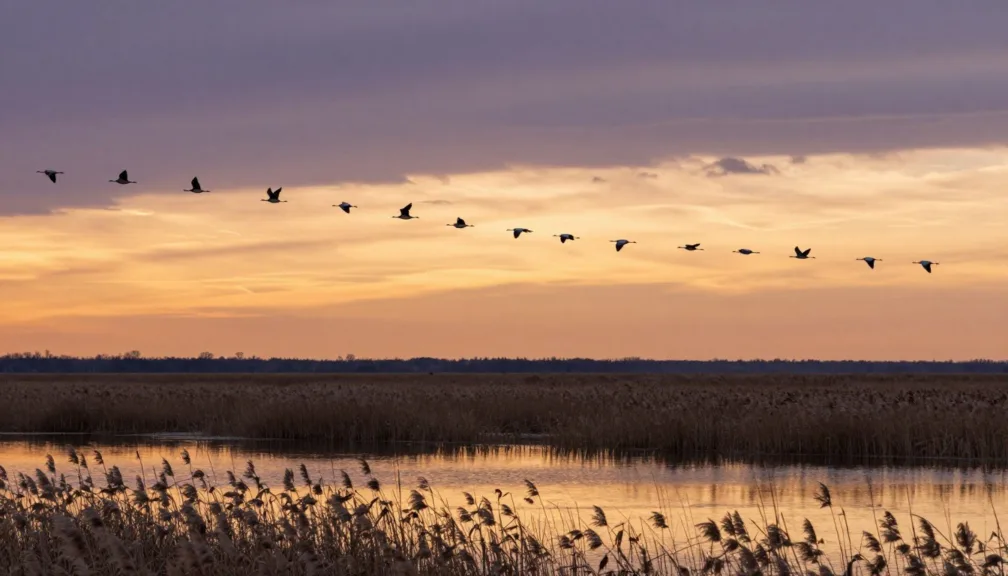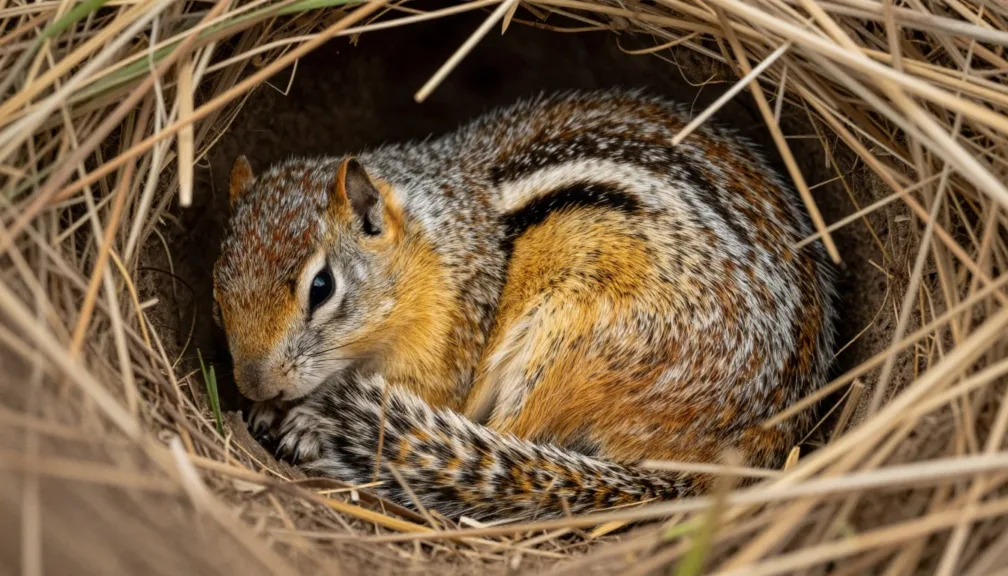
Our planet’s national parks serve as vital sanctuaries for the world’s most diverse ecosystems. These protected areas not only preserve breathtaking landscapes but also harbor an astonishing variety of wildlife species. From dense rainforests to expansive savannas, these biodiversity hotspots offer nature enthusiasts unparalleled opportunities to witness the wonders of the natural world in their most pristine state.
In this comprehensive guide, we’ll explore the ten national parks globally recognized for their exceptional wildlife diversity. Whether you’re planning your next ecotourism adventure or simply appreciating Earth’s biological treasures, these parks represent nature’s greatest living museums.
1. Great Smoky Mountains National Park, USA
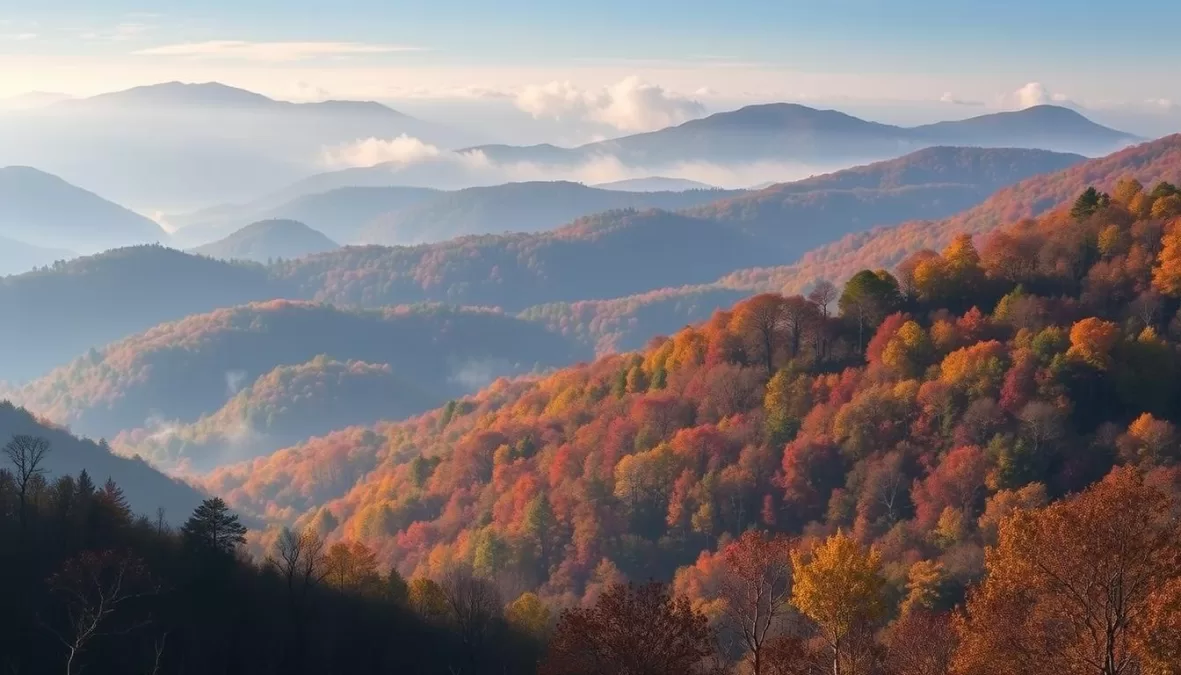
The Great Smoky Mountains are home to over 19,000 documented species
Straddling the border between North Carolina and Tennessee, the Great Smoky Mountains National Park boasts the highest biodiversity in North America. This UNESCO World Heritage Site contains an astonishing 19,000+ documented species, with scientists believing another 80,000-100,000 species may remain undiscovered within its boundaries.
Wildlife Highlights:
- Over 1,500 black bears (one of the densest populations in North America)
- More than 200 species of birds, including 60 year-round residents
- An incredible 30 species of salamanders, earning it the nickname “Salamander Capital of the World”
- 2,100+ plant species, including 100+ native tree species and 1,400+ flowering plants
- Rare and endangered species like the red-cockaded woodpecker and Carolina northern flying squirrel
Best Time to Visit: Spring (April-June) for wildflower blooms and wildlife activity, or fall (September-November) for spectacular foliage and active wildlife preparing for winter.
The park’s remarkable biodiversity stems from its varied elevations (ranging from 850 to 6,643 feet) and abundant rainfall, creating numerous microhabitats. Ancient forests that escaped the last ice age serve as evolutionary sanctuaries, particularly for amphibians that thrive in the park’s moist environment.
2. Yellowstone National Park, USA
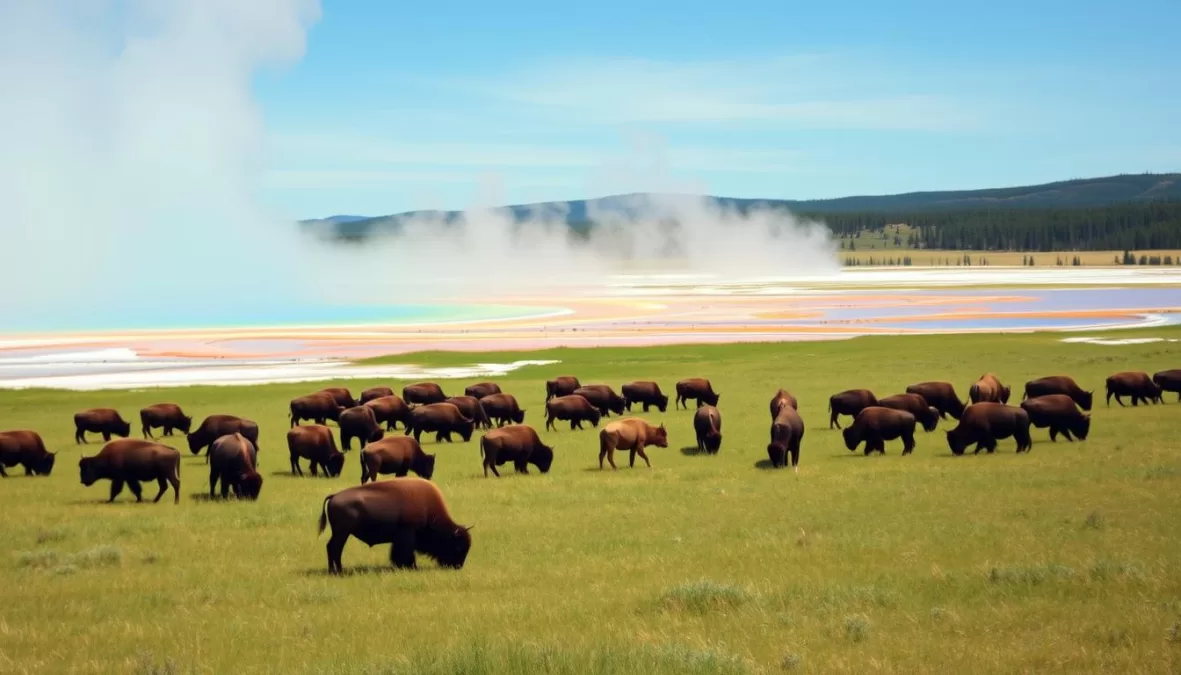
Yellowstone’s diverse ecosystems support incredible mammal diversity
As the world’s first national park, Yellowstone remains a crown jewel of biodiversity. Spanning 2.2 million acres across Wyoming, Montana, and Idaho, this volcanic wonderland features a remarkable variety of ecosystems supporting North America’s most complete collection of large mammals.
Wildlife Highlights:
- 67 mammal species, including wolves, grizzly bears, black bears, and the largest public bison herd in the U.S.
- 285+ bird species, with raptors like osprey and bald eagles
- 16 fish species, including the native Yellowstone cutthroat trout
- Unique thermophilic bacteria in geothermal features that represent some of Earth’s oldest life forms
- Rare species like wolverines, lynx, and river otters
Conservation Success: Yellowstone’s wolf reintroduction program, begun in 1995, has restored a critical predator to the ecosystem, triggering positive cascading effects throughout the food web and demonstrating the importance of apex predators in maintaining biodiversity.
The park’s Lamar Valley, often called “America’s Serengeti,” offers some of the best wildlife viewing opportunities in North America. Early morning and dusk provide optimal viewing times when animals are most active.
3. Congaree National Park, USA
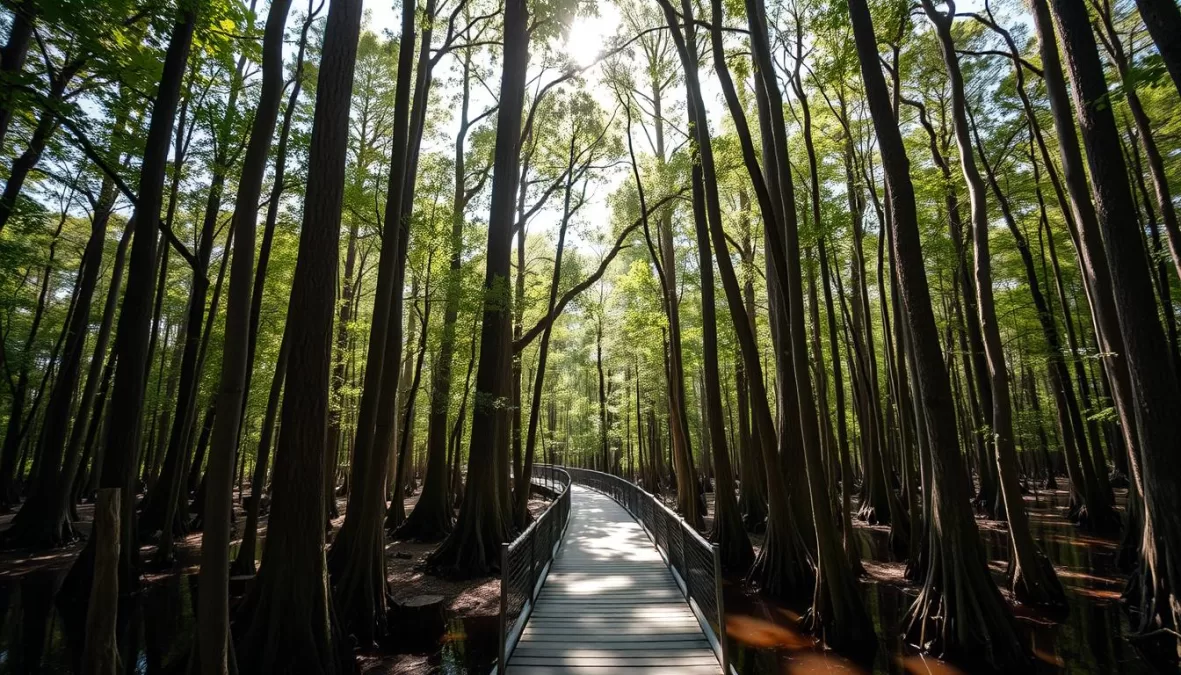
Congaree’s floodplain forest hosts the highest density of wildlife species per area in the U.S.
While less famous than some other parks, South Carolina’s Congaree National Park boasts the highest concentration of wildlife species per square kilometer in the United States. This floodplain ecosystem contains some of the tallest deciduous trees in North America and one of the highest forest canopies in the world.
Wildlife Highlights:
- 362 wildlife species per 100 km² (the densest wildlife concentration in U.S. national parks)
- Over 800 plant species, including ancient cypress trees
- Diverse mammals including bobcats, river otters, and wild pigs
- Nearly 200 bird species, with significant populations of wood ducks and prothonotary warblers
- Rich aquatic life in its rivers and oxbow lakes
Visitor Tip: Explore Congaree by kayak or canoe along Cedar Creek to maximize wildlife sightings, especially during the spring and fall when temperatures are moderate and mosquitoes are less prevalent.
Congaree’s biodiversity thrives thanks to the regular flooding from the Congaree and Wateree Rivers, which deposit nutrient-rich soil throughout the floodplain. This natural cycle has created one of the most productive ecosystems in North America.
4. Biscayne National Park, USA

Biscayne’s underwater ecosystems harbor over 1,000 wildlife species
Located in Florida, Biscayne National Park protects a rare combination of aquamarine waters, emerald islands, and vibrant coral reefs. With 95% of the park underwater, it harbors an extraordinary 1,002 different wildlife species—the highest total number in any U.S. national park.
Wildlife Highlights:
- 698 fish species, creating one of the most diverse marine ecosystems in the National Park System
- Over 200 bird species, including magnificent frigatebirds and roseate spoonbills
- Endangered and threatened species like manatees, American crocodiles, and sea turtles
- Diverse coral species forming the northernmost coral reef in the continental United States
- Mangrove forests serving as critical nurseries for countless marine species
Conservation Alert: Biscayne’s coral reefs face significant threats from climate change, ocean acidification, and water pollution. Visitors should practice responsible reef etiquette by never touching coral and using reef-safe sunscreen.
The park’s unique position at the intersection of Biscayne Bay, the Florida Keys, and the Atlantic Ocean creates a biodiversity hotspot where tropical and temperate species converge. Snorkeling and glass-bottom boat tours offer the best opportunities to witness this underwater wonderland.
5. Serengeti National Park, Tanzania
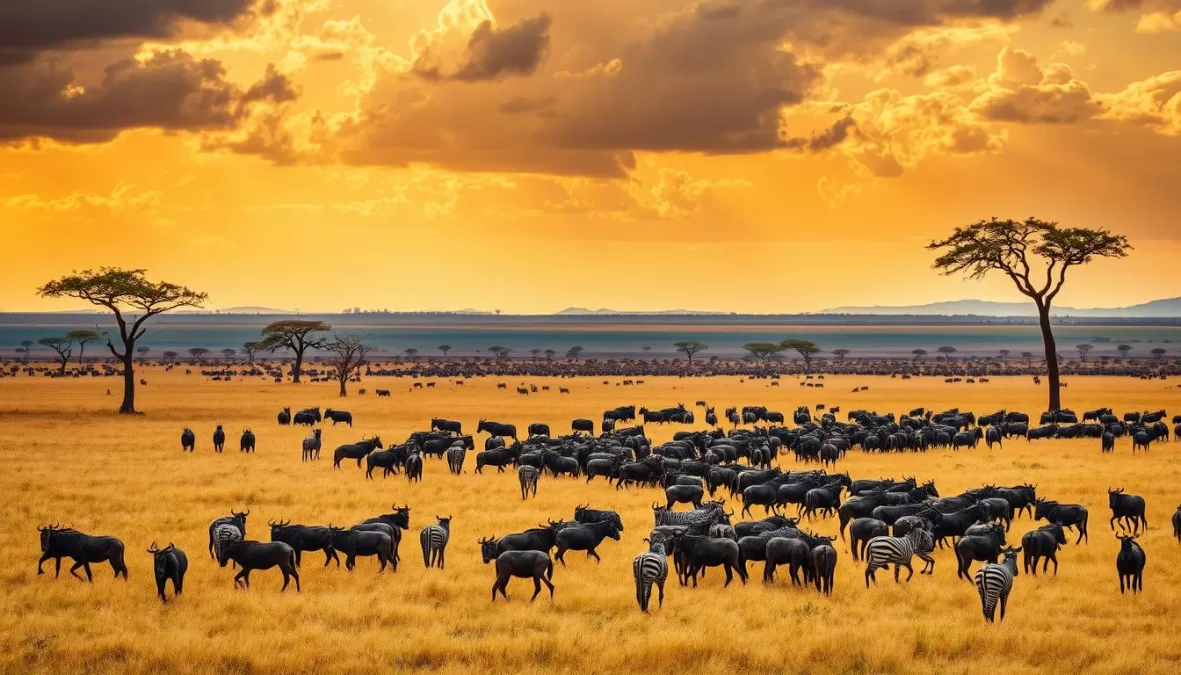
The Serengeti’s annual great migration represents one of Earth’s most spectacular wildlife events
Tanzania’s Serengeti National Park represents one of Africa’s most iconic wildlife sanctuaries. This UNESCO World Heritage Site spans 5,700 square miles of savanna, woodland, and grassland ecosystems, hosting the largest terrestrial mammal migration on Earth.
Wildlife Highlights:
- Over 2 million wildebeest, zebras, and gazelles participating in the annual migration
- The highest concentration of large predators in Africa, including 3,000 lions
- Over 500 bird species, making it a premier birdwatching destination
- All members of the “Big Five”: lions, leopards, elephants, buffalo, and rhinoceros
- Rare and endangered species like black rhinos and wild dogs
Best Time to Visit: June-July for the dramatic Grumeti River crossings during the migration, or January-February for calving season when predator activity peaks. December-March offers excellent birdwatching as migratory species arrive.
The Serengeti ecosystem represents one of the oldest and most diverse on the planet, having remained largely unchanged for millions of years. Its complex food web and intact predator-prey relationships make it an invaluable living laboratory for ecological research.
6. Cuyahoga Valley National Park, USA

Cuyahoga Valley contains the densest plant biodiversity in the U.S. National Park System
Ohio’s Cuyahoga Valley National Park might seem unassuming compared to more famous parks, but it harbors an extraordinary concentration of plant life—935 species per 100 km², the highest plant density in any U.S. national park. This recovered landscape represents an inspiring conservation success story.
Wildlife Highlights:
- 1,232 plant species, including rare orchids and unusual specimens like skunk cabbage and Dutchman’s breeches
- Over 200 bird species, with significant populations of warblers during migration
- 43 mammal species, including beavers, river otters, and coyotes
- 22 reptile and amphibian species in its wetland habitats
- Over 80 butterfly species, making it a premier destination for lepidopterists
Ecological Restoration: Once heavily polluted (the Cuyahoga River famously caught fire in 1969), this area has undergone remarkable ecological restoration, demonstrating how damaged ecosystems can recover when properly protected.
The park’s location in a transitional zone between major ecological regions contributes to its exceptional plant diversity. Spring wildflower blooms transform the forest floor into a spectacular carpet of colors and textures.
7. Manú National Park, Peru
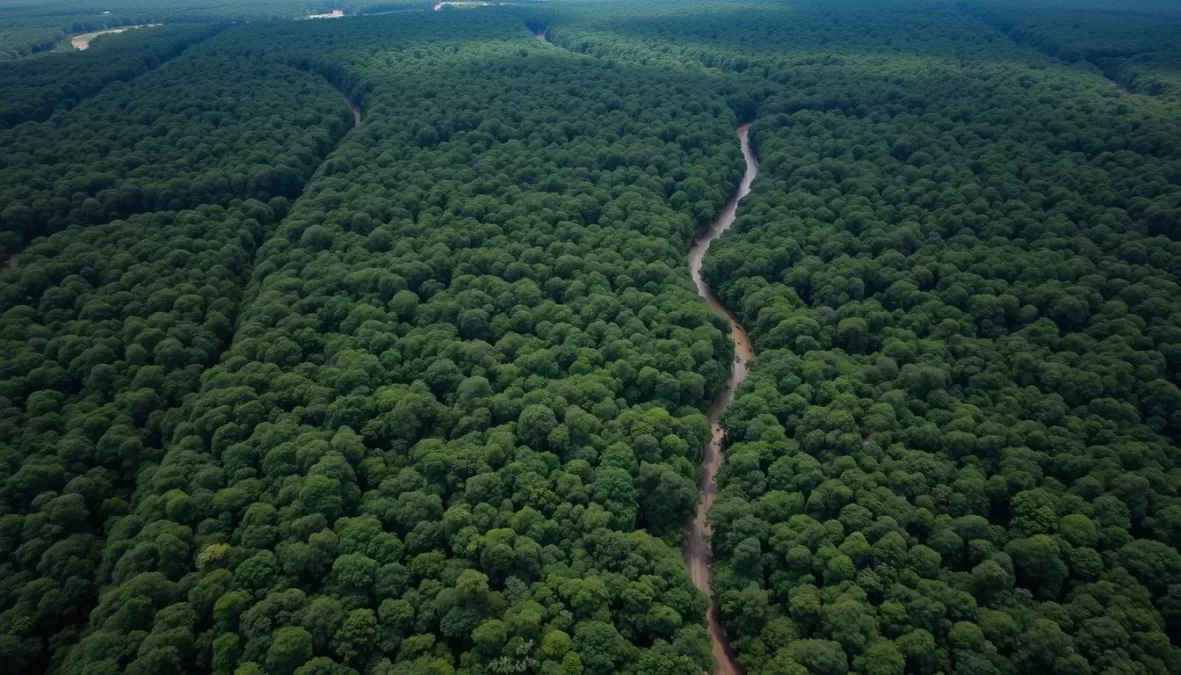
Manú protects one of Earth’s most biodiverse rainforest ecosystems
Peru’s Manú National Park represents one of the most biodiverse places on Earth. This UNESCO World Heritage Site encompasses an extraordinary range of ecosystems, from Andean highlands at 4,000 meters to lowland Amazonian rainforest, creating a biodiversity gradient that’s unmatched anywhere else.
Wildlife Highlights:
- Over 1,000 bird species (10% of all bird species worldwide)
- More than 200 mammal species, including 13 primate species
- An estimated 15,000 plant species
- Over 155 amphibian species in its varied aquatic habitats
- Iconic species like jaguars, giant otters, and harpy eagles
Visitor Information: Access to Manú’s core zone requires permits and guided tours. The Cultural Zone and Reserved Zone offer more accessible wildlife viewing opportunities while still protecting the most pristine areas.
Manú’s extraordinary biodiversity stems from its unique geography spanning multiple ecological zones. The park remains largely untouched by human development, with indigenous communities living traditionally within its boundaries, adding cultural diversity to its natural riches.
8. Kruger National Park, South Africa
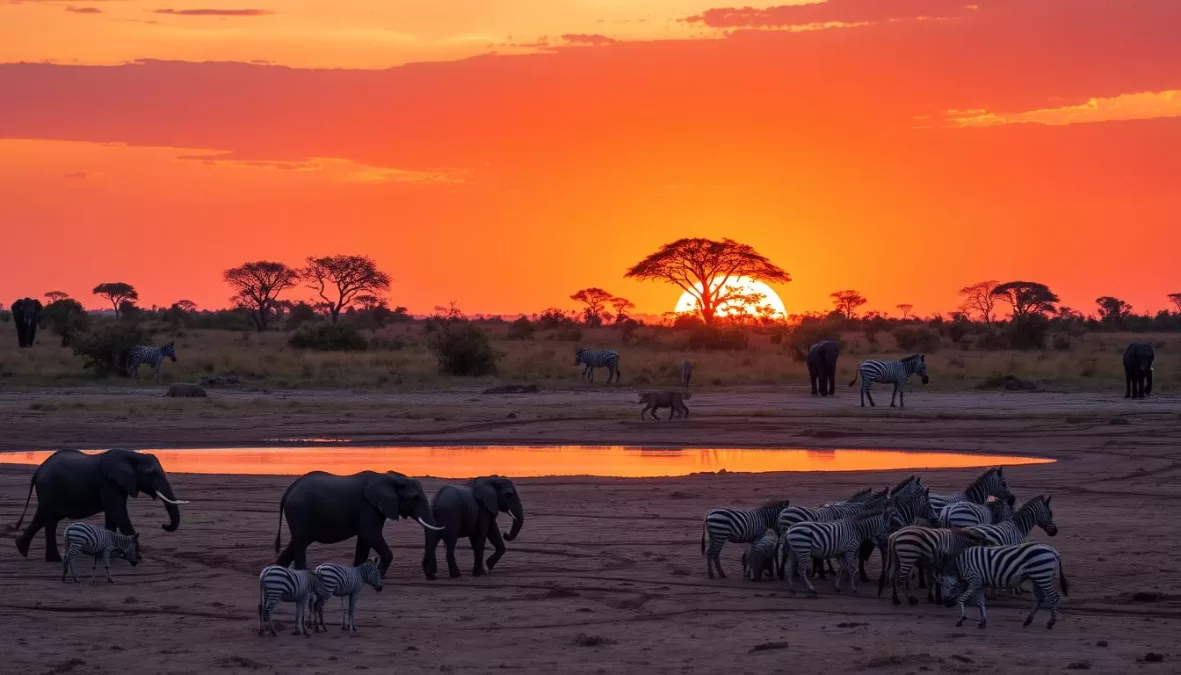
Kruger National Park supports extraordinary mammal diversity across its varied landscapes
South Africa’s flagship Kruger National Park spans nearly 2 million hectares of diverse savanna ecosystems. Established in 1898, it represents one of Africa’s oldest and most biologically rich protected areas, with research programs dating back decades providing invaluable ecological insights.
Wildlife Highlights:
- 147 mammal species, the most of any African national park
- 507 bird species, including 253 residents and numerous migrants
- 114 reptile species, including 3,000 crocodiles
- Over 1,980 plant species across six distinct ecosystems
- The “Big Five” (lion, leopard, rhino, elephant, and buffalo) plus cheetahs and wild dogs
Conservation Challenge: Kruger faces significant rhino poaching pressure. The park employs cutting-edge anti-poaching technologies and strategies to protect its critically endangered rhino population.
Kruger’s biodiversity benefits from its size and varied habitats ranging from riverine forests to open grasslands. The park’s extensive road network and rest camps make it one of Africa’s most accessible wildlife viewing destinations while still maintaining vast wilderness areas.
9. Galapagos National Park, Ecuador

The Galapagos Islands showcase extraordinary evolutionary adaptations and endemic species
Ecuador’s Galapagos National Park protects one of the world’s most unique evolutionary showcases. This isolated archipelago, located 600 miles off Ecuador’s coast, harbors an extraordinary percentage of endemic species found nowhere else on Earth, famously inspiring Darwin’s theory of evolution.
Wildlife Highlights:
- 56 endemic bird species, including the iconic Galapagos finches
- Marine iguanas—the world’s only sea-feeding lizards
- Giant tortoises that can live over 100 years
- Flightless cormorants that evolved without predators
- Rich marine ecosystems where tropical and cold-water species converge
Evolutionary Laboratory: The Galapagos Islands continue to provide scientists with invaluable insights into evolutionary processes. Each island has developed its own unique species adaptations, creating a living showcase of natural selection.
While the Galapagos may not have the highest number of species compared to mainland rainforests, its extraordinary rate of endemism (species found nowhere else) and the unusual adaptations of its wildlife make it one of Earth’s most remarkable biodiversity hotspots.
10. Bandipur National Park, India
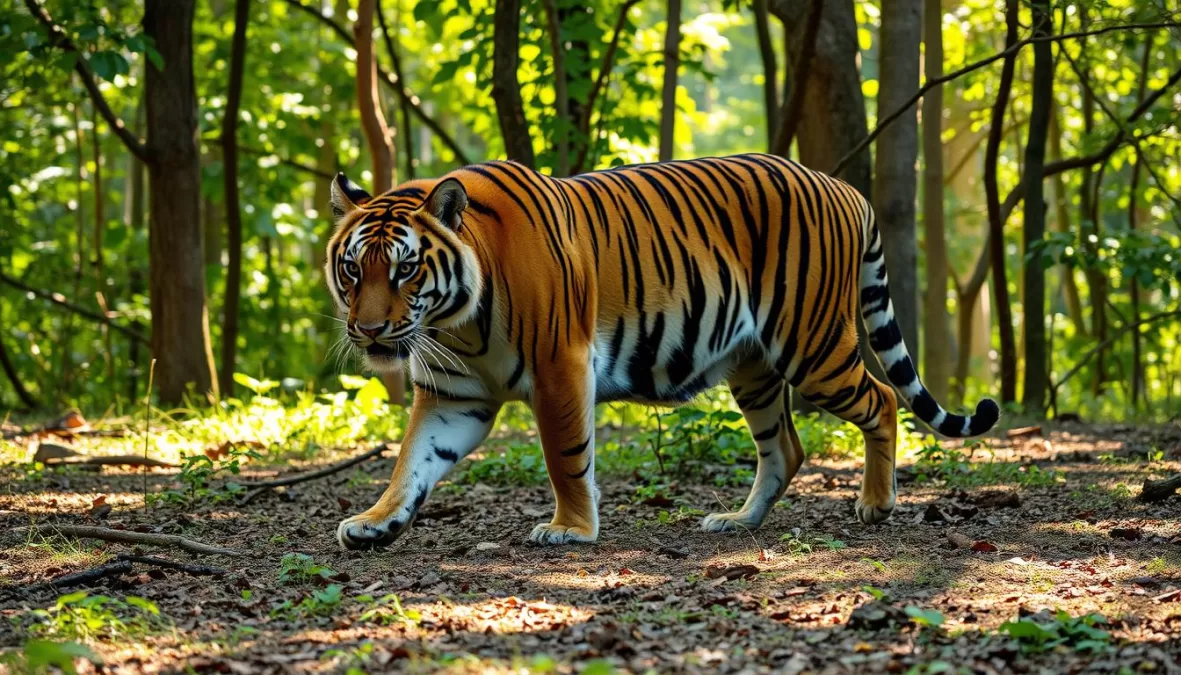
Bandipur protects critical habitat for Bengal tigers and Asian elephants
Located in India’s Western Ghats—one of the world’s eight “hottest hotspots” of biodiversity—Bandipur National Park protects a crucial segment of the largest population of Asian elephants and Bengal tigers. This deciduous forest ecosystem represents one of India’s best-managed and most biodiverse protected areas.
Wildlife Highlights:
- Over 70 tiger individuals in one of India’s highest density tiger populations
- The largest Asian elephant population in India
- Over 200 bird species, including critically endangered species like the long-billed vulture
- Diverse reptiles including the king cobra and Indian rock python
- Over 100 butterfly species in its varied forest habitats
Best Viewing Season: March to May when water scarcity concentrates wildlife around remaining water sources. Early mornings and late afternoons offer optimal viewing conditions when animals are most active.
Bandipur’s biodiversity significance extends beyond its charismatic megafauna. The park protects numerous endemic plants with medicinal properties and serves as a crucial watershed for southern India, demonstrating the ecological services provided by intact natural ecosystems.
Responsible Wildlife Viewing: Conservation in Action

Responsible wildlife viewing helps preserve biodiversity for future generations
The extraordinary biodiversity showcased in these national parks faces unprecedented threats from climate change, habitat fragmentation, poaching, and human encroachment. As visitors to these remarkable ecosystems, we have both the privilege of witnessing their wonders and the responsibility to ensure their preservation.
Guidelines for Responsible Wildlife Viewing:
- Maintain appropriate distances from wildlife (typically 25 yards from most animals, 100 yards from predators)
- Stay on designated trails to minimize habitat disturbance
- Never feed wildlife, which disrupts natural behaviors and can spread disease
- Use binoculars and telephoto lenses rather than approaching animals
- Learn about the ecosystems you’re visiting to enhance appreciation and understanding
“In the end, we will conserve only what we love, we will love only what we understand, and we will understand only what we are taught.”
By visiting these biodiversity hotspots thoughtfully and supporting their conservation efforts, you become part of the solution. Many parks offer volunteer opportunities, citizen science programs, and conservation donations that directly support wildlife protection initiatives.
Explore These Biodiversity Treasures
The national parks featured in this guide represent Earth’s most extraordinary repositories of biological diversity. From the misty mountains of the Smokies to the volcanic shores of the Galapagos, these protected areas offer unparalleled opportunities to witness the rich tapestry of life that makes our planet so remarkable.
As you plan your visits to these biodiversity hotspots, remember that responsible ecotourism can be a powerful force for conservation. Your interest, respect, and support help ensure these irreplaceable ecosystems remain vibrant for generations to come.
Support Wildlife Conservation
Help preserve these incredible ecosystems by supporting conservation organizations and practicing responsible wildlife viewing. Your actions today ensure these biodiversity treasures remain for future generations.
Support Conservation Efforts
Learn About Responsible Wildlife Viewing

Priyanka Pandey
Senior Research Editor · Top10Sense
Priyanka specializes in tech, consumer products, and digital trends. She combines hands-on testing, vendor interviews, and database research to create trustworthy “Top 10” rankings. Her work has been referenced by industry blogs and brand report pages.