
As we navigate through 2025, the planet’s biodiversity faces unprecedented challenges. According to the International Union for Conservation of Nature (IUCN), more than 47,000 species are currently threatened with extinction. Human activities continue to drive habitat loss, while climate change accelerates the decline of vulnerable populations. This updated guide examines the world’s most endangered animals, their current status, and the conservation efforts working to save them from extinction.
The Extinction Crisis: A 2025 Perspective
The latest data from conservation organizations worldwide reveals alarming trends. Wildlife populations have declined by over 73% since 1970, with habitat destruction, poaching, and climate change driving many iconic species to the brink of extinction. Despite some conservation successes, many animals face increasingly complex threats as human populations expand and natural spaces shrink.
This article presents the most up-to-date information on the world’s most endangered animals as of 2025, including their current population numbers, geographic distribution, primary threats, and conservation status. We’ll also highlight what’s being done to protect these species and how you can help ensure their survival.
Join the Fight Against Extinction
Your support can make a critical difference in protecting endangered species. Conservation organizations worldwide are working tirelessly to save these animals from extinction.
1. Amur Leopard (Panthera pardus orientalis)
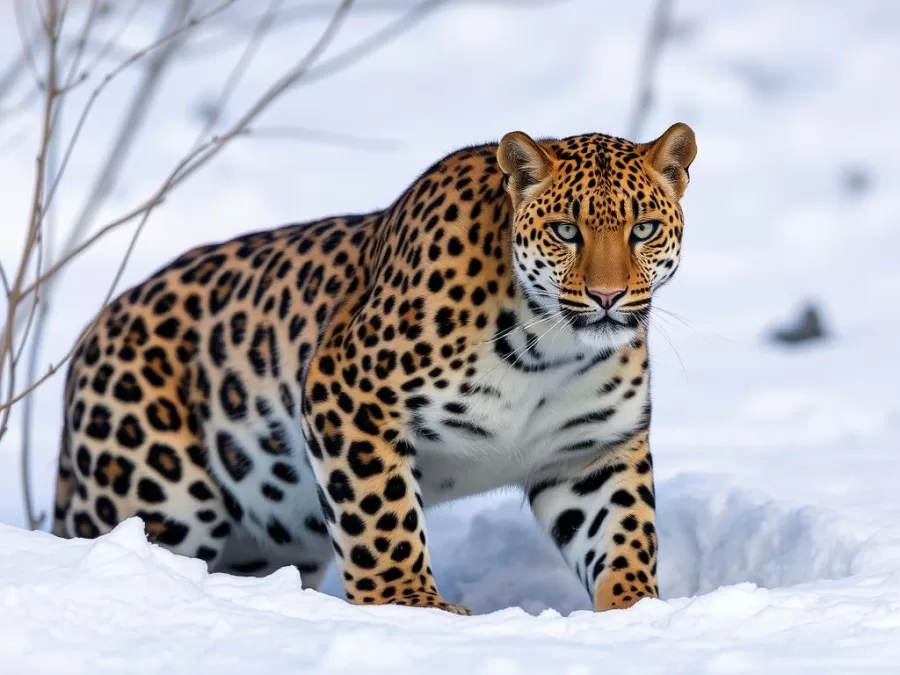
IUCN Status: Critically Endangered
The Amur leopard remains the world’s most endangered big cat in 2025. Native to the temperate forests of Far Eastern Russia and Northeast China, the latest population surveys indicate only 84 individuals remain in the wild, a slight decrease from 92 in 2014-2015.
Primary Threats:
- Poaching for fur and bones used in traditional Asian medicine
- Habitat fragmentation due to development and infrastructure
- Natural and human-caused forest fires
- Declining prey availability linked to climate change
- Genetic bottlenecking from small population size
Conservation Efforts:
- Protected area expansion in Russia’s Land of the Leopard National Park
- Anti-poaching patrols using advanced surveillance technology
- Sino-Russian transboundary conservation cooperation
- Captive breeding programs to maintain genetic diversity
- Wildlife corridor development to connect isolated populations
2. Javan Rhino (Rhinoceros sondaicus)

IUCN Status: Critically Endangered
The Javan rhino remains the most threatened of all rhino species in 2025, with approximately 62 individuals confined to a single population in Indonesia’s Ujung Kulon National Park. This represents a slight increase from 60 individuals in 2022, offering a glimmer of hope for this critically endangered species.
Javan rhino horns can fetch up to $30,000 per kilogram on the black market, making them highly vulnerable to poaching despite intensive protection efforts.
Primary Threats:
- Extremely limited habitat range (single location)
- Vulnerability to disease and natural disasters
- Potential poaching pressure
- Invasive species competing for resources
- Low genetic diversity
Conservation Efforts:
- 24/7 armed ranger protection in Ujung Kulon
- Habitat management to promote food plant growth
- Camera trap monitoring to track population dynamics
- Plans for establishing a second population
- Removal of invasive Arenga palm to improve habitat
3. Sumatran Orangutan (Pongo abelii)
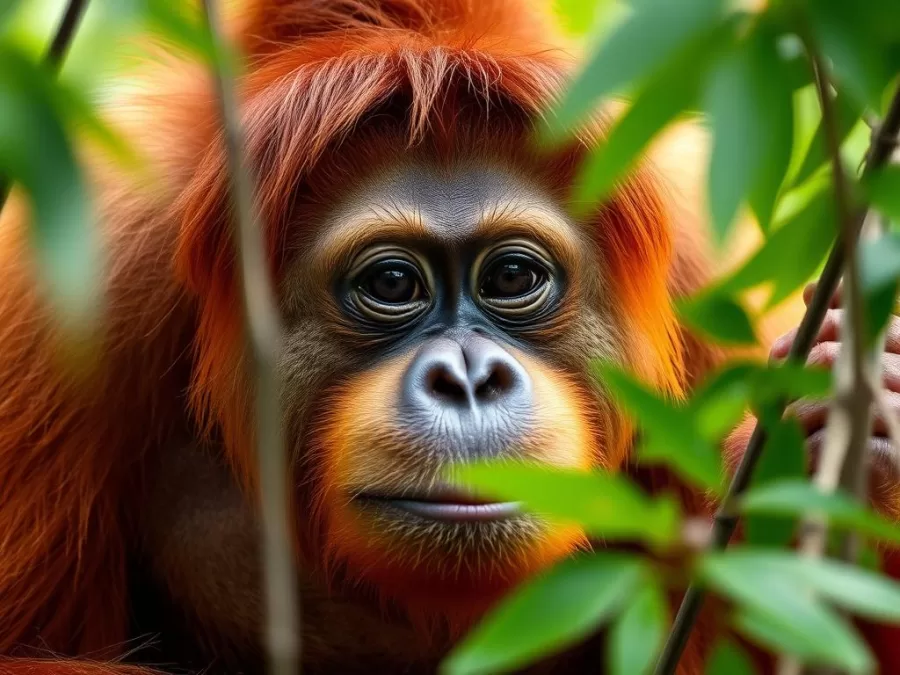
IUCN Status: Critically Endangered
The Sumatran orangutan population continues to decline in 2025, with current estimates indicating approximately 13,400 individuals remaining in the wild, down from 13,846 in previous years. These great apes are losing their forest habitat at an alarming rate, primarily due to palm oil plantation expansion.
“A century ago, more than 230,000 orangutans roamed the forests of Southeast Asia. Today, both Sumatran and Bornean orangutans face imminent extinction if current trends continue.”
Primary Threats:
- Deforestation for palm oil plantations
- Illegal logging of rainforest habitat
- Human-wildlife conflict in agricultural areas
- Illegal pet trade targeting infants
- Road and infrastructure development fragmenting habitat
Conservation Efforts:
- Leuser Ecosystem protection initiatives
- Sustainable palm oil certification programs
- Orangutan rehabilitation and reintroduction
- Community-based forest protection
- Corporate zero-deforestation commitments
4. Cross River Gorilla (Gorilla gorilla diehli)
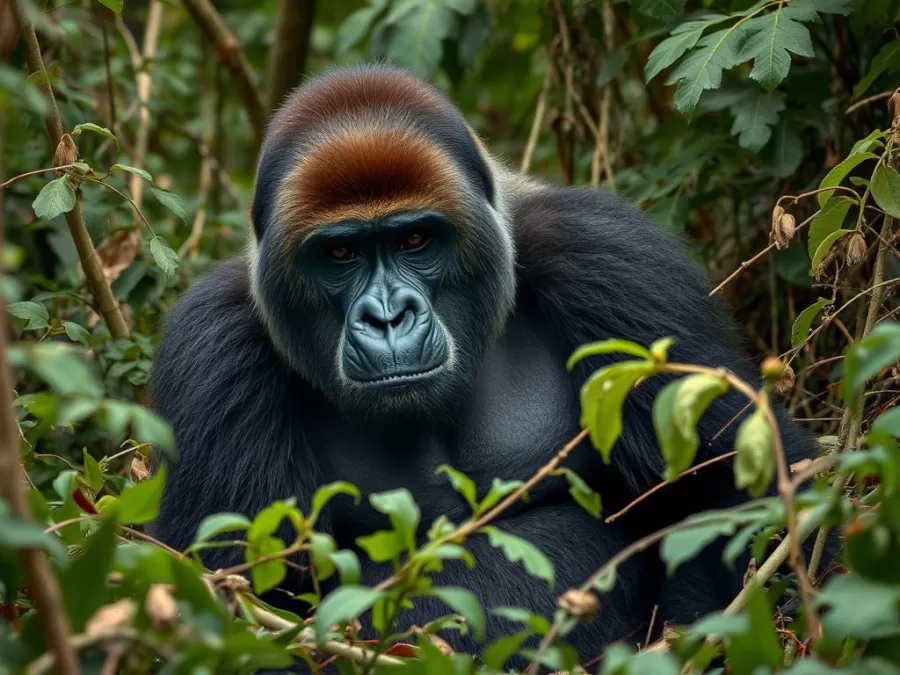
IUCN Status: Critically Endangered
The Cross River gorilla remains one of Africa’s most endangered primates in 2025, with population estimates ranging between 200-250 individuals. These gorillas inhabit a small region spanning the Nigeria-Cameroon border, where they face intense pressure from human activities.
Primary Threats:
- Habitat fragmentation from agriculture and logging
- Bushmeat hunting and poaching
- Human encroachment into protected areas
- Low genetic diversity from population isolation
- Slow reproductive rate (females give birth only every 4-6 years)
Conservation Efforts:
- Transboundary protection between Nigeria and Cameroon
- Community conservation agreements with local villages
- Anti-poaching patrols in key habitat areas
- Wildlife corridor development between fragmented populations
- Ecotourism initiatives to provide alternative livelihoods
Help Protect Great Apes
Great apes like gorillas and orangutans are our closest relatives in the animal kingdom. Your support can help fund critical habitat protection and anti-poaching efforts.
5. Saola (Pseudoryx nghetinhensis)
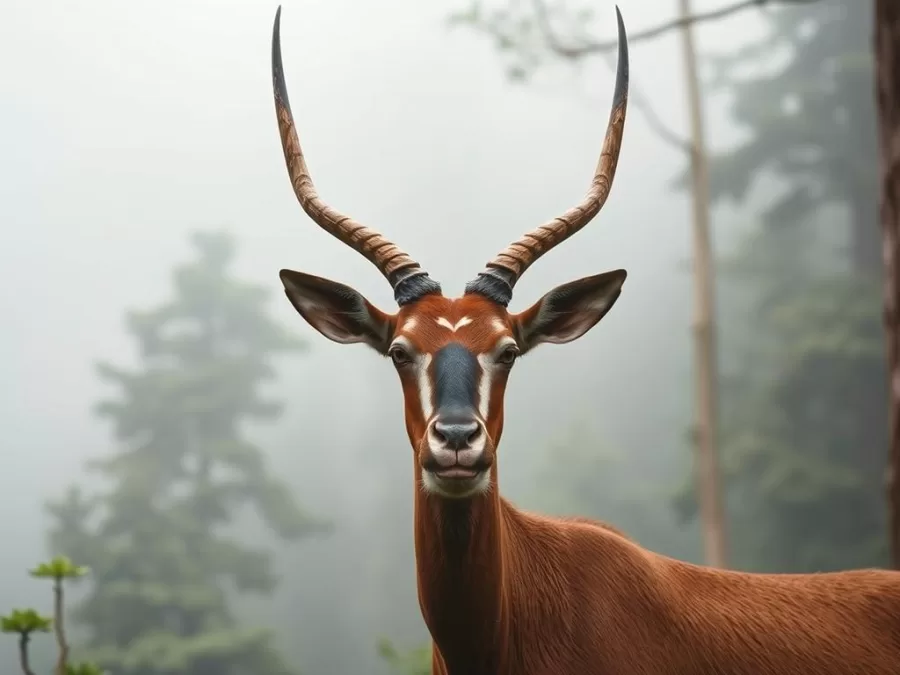
IUCN Status: Critically Endangered
Often called the “Asian unicorn” due to its extreme rarity, the saola remains one of the world’s most elusive and endangered mammals in 2025. Discovered only in 1992, no comprehensive population survey has been completed, but experts estimate fewer than 100 individuals may remain in the wild, possibly as few as 25.
The saola is so rare that no biologist has ever seen one in the wild. Knowledge of the species comes primarily from camera traps, local sightings, and a few captive individuals that did not survive long.
Primary Threats:
- Snaring for bushmeat and traditional medicine trade
- Habitat loss from logging and agriculture
- Infrastructure development in the Annamite Mountains
- Limited scientific knowledge hampering conservation
- Small population vulnerability to disease
Conservation Efforts:
- Saola Working Group coordinating international efforts
- Intensive camera trap surveys to locate remaining populations
- Snare removal programs in key habitat areas
- Protected area expansion in Vietnam and Laos
- Exploration of captive breeding as last resort
6. Vaquita (Phocoena sinus)
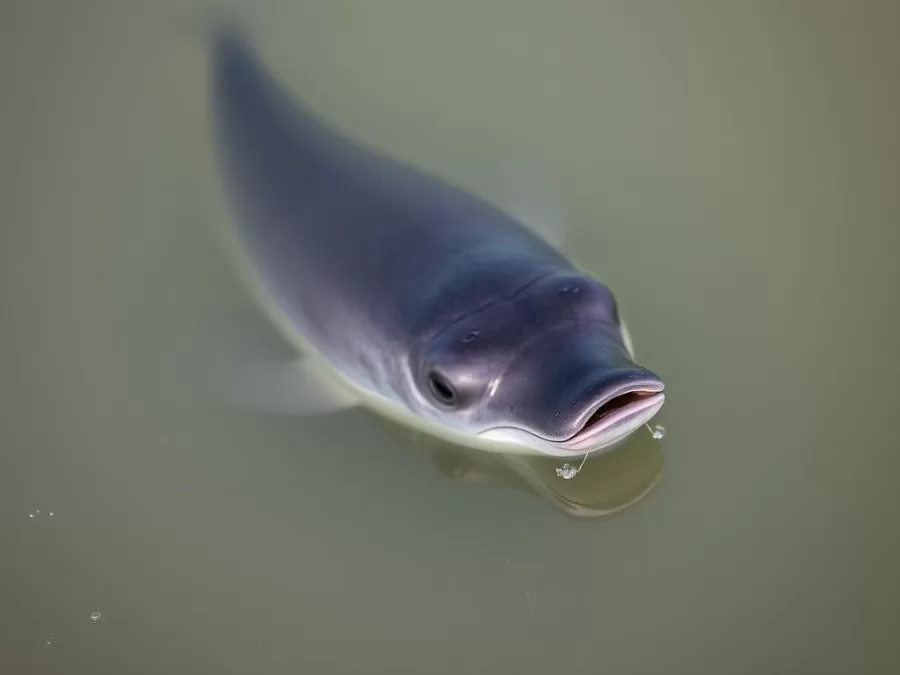
IUCN Status: Critically Endangered
The vaquita continues to hold the unfortunate distinction of being the world’s most endangered marine mammal in 2025. Endemic to Mexico’s Gulf of California, the latest population estimates suggest only 10 individuals remain, despite intensive conservation efforts over the past decade.
Without immediate and effective action to eliminate gillnet fishing in their habitat, vaquitas will likely become extinct within the next few years, representing the first cetacean species lost to human activities.
Primary Threats:
- Entanglement in illegal gillnets set for totoaba fish
- Black market demand for totoaba swim bladders
- Limited enforcement of fishing restrictions
- Extremely small population size
- Potential genetic issues from inbreeding
Conservation Efforts:
- Expanded “Zero Tolerance Area” with increased enforcement
- International pressure on Mexico to protect the species
- Alternative fishing gear development for local communities
- Acoustic monitoring to track remaining individuals
- Efforts to reduce demand for totoaba in Asian markets
7. Sumatran Tiger (Panthera tigris sumatrae)
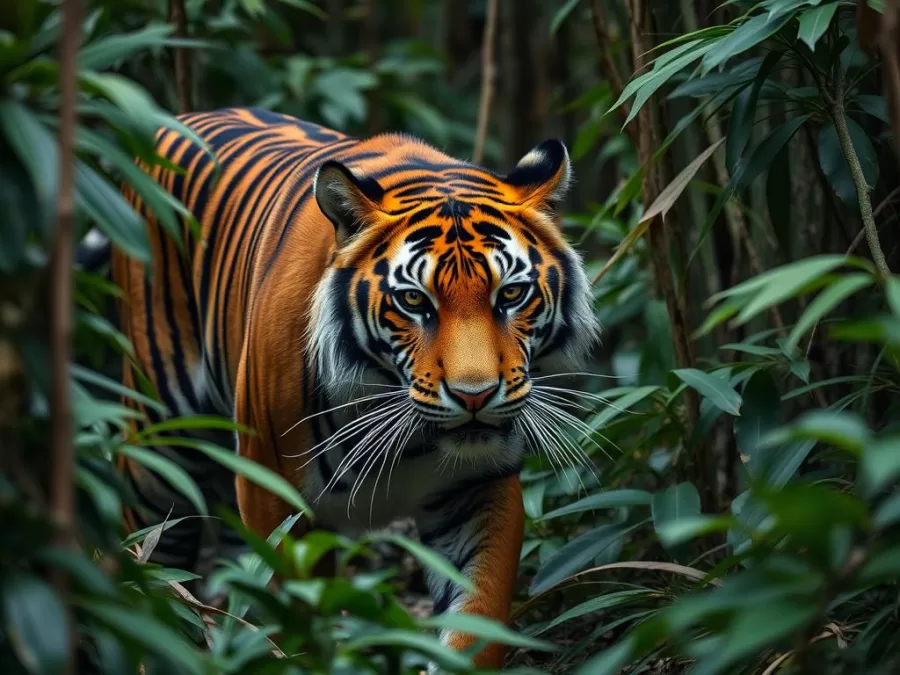
IUCN Status: Critically Endangered
The Sumatran tiger is the last remaining tiger subspecies in Indonesia following the extinction of both the Javan and Balinese tigers. In 2025, fewer than 400 individuals survive in fragmented forest patches across Sumatra, representing a continued decline despite conservation efforts.
Primary Threats:
- Habitat loss from palm oil and acacia plantations
- Poaching for tiger parts used in traditional medicine
- Human-tiger conflict in agricultural areas
- Prey depletion from overhunting
- Forest fires and illegal logging
Conservation Efforts:
- Tiger Protection Units patrolling key habitats
- Wildlife corridor creation between fragmented forests
- Conflict mitigation programs in buffer zones
- Camera trap monitoring of remaining populations
- Habitat restoration in degraded forest areas
8. Yangtze Finless Porpoise (Neophocaena asiaeorientalis ssp. asiaeorientalis)

IUCN Status: Critically Endangered
Following the extinction of the Yangtze River dolphin (baiji) in 2006, the Yangtze finless porpoise has become the sole cetacean in China’s longest river. Population surveys in 2025 indicate approximately 1,000 individuals remain, continuing a decline of about 13% annually despite increased protection measures.
Primary Threats:
- Water pollution from industrial and agricultural runoff
- Vessel strikes in busy shipping channels
- Entanglement in fishing gear
- Underwater noise pollution disrupting echolocation
- Dam construction altering river hydrology
Conservation Efforts:
- Establishment of in-situ conservation reserves
- Translocation of porpoises to protected oxbow lakes
- Fishing restrictions in critical habitat areas
- Water quality improvement initiatives
- Public awareness campaigns across China
9. Hawksbill Sea Turtle (Eretmochelys imbricata)
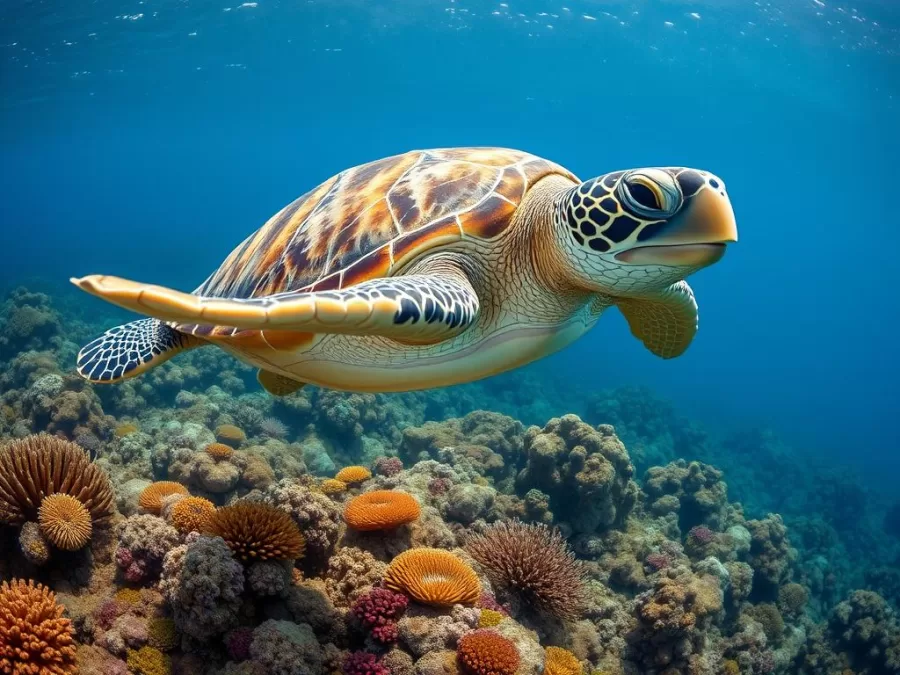
IUCN Status: Critically Endangered
The hawksbill sea turtle continues to face severe threats across its global tropical range in 2025. Current population estimates suggest fewer than 57,000 nesting females remain worldwide, a significant decline from historical numbers in the millions.
“The hawksbill’s beautiful shell has been its greatest curse. Despite international protection, the illegal tortoiseshell trade continues to drive this species toward extinction.”
Primary Threats:
- Illegal harvesting for tortoiseshell trade
- Egg collection from nesting beaches
- Bycatch in fishing gear
- Plastic pollution ingestion
- Climate change affecting sex ratios and nesting beaches
- Coral reef degradation reducing food sources
Conservation Efforts:
- Nesting beach protection programs
- Satellite tracking to identify migration routes
- Bycatch reduction technology for fishing fleets
- Rehabilitation centers for injured turtles
- Community-based conservation initiatives
- International agreements to prohibit tortoiseshell trade
10. Sumatran Elephant (Elephas maximus sumatranus)
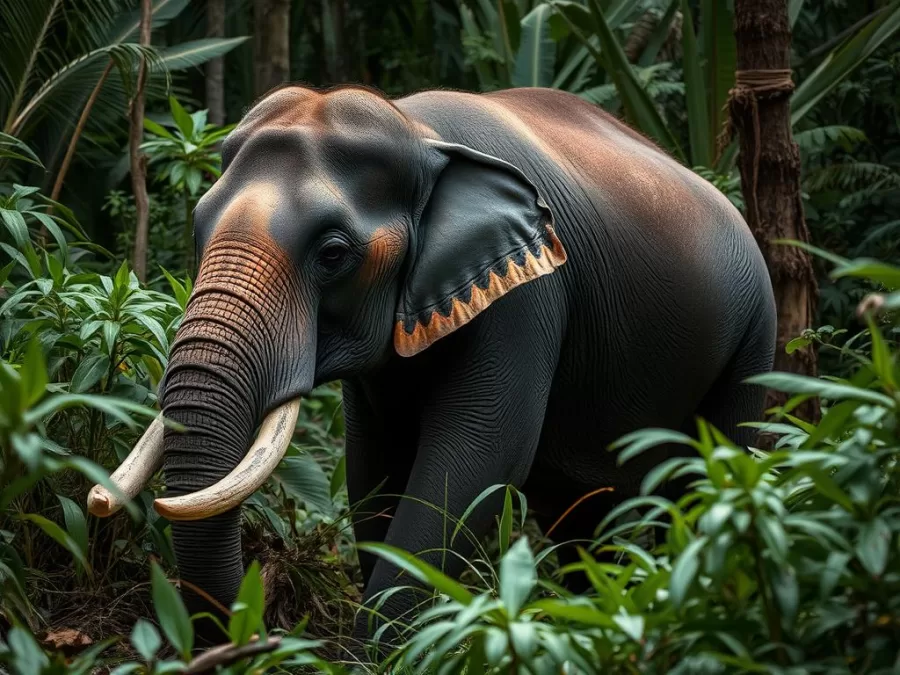
IUCN Status: Critically Endangered
The Sumatran elephant population continues to decline rapidly in 2025, with current estimates indicating only 2,400-2,800 individuals remain in the wild. This represents a 50% reduction in population over the last three generations, primarily due to habitat loss and human-elephant conflict.
Primary Threats:
- Habitat loss from palm oil plantation expansion
- Human-elephant conflict in agricultural areas
- Poaching for ivory, despite tusks being smaller than African elephants
- Forest fragmentation isolating populations
- Capture for domestication in logging and tourism
Conservation Efforts:
- Elephant Response Units mitigating human-elephant conflict
- Protected area expansion in key elephant ranges
- Wildlife corridor development between fragmented habitats
- Community education and involvement programs
- Satellite collar monitoring of movement patterns
How You Can Help Protect Endangered Species

The challenges facing the world’s most endangered animals in 2025 are immense, but there are many ways individuals can contribute to conservation efforts. Here are actionable steps you can take to help protect these vulnerable species:
Support Conservation Organizations
Donate to reputable wildlife conservation organizations working directly to protect endangered species. Your financial support helps fund anti-poaching patrols, habitat protection, research, and community conservation initiatives.
- World Wildlife Fund
- Wildlife Conservation Society
- International Union for Conservation of Nature
- Species-specific organizations
Make Sustainable Choices
Your daily decisions impact wildlife around the world. Making more sustainable choices reduces pressure on natural habitats and the species that depend on them.
- Choose certified sustainable products (FSC, MSC, RSPO)
- Reduce single-use plastic consumption
- Eat less meat and choose sustainable seafood
- Avoid products containing palm oil from unsustainable sources
Raise Awareness
Education and advocacy are powerful conservation tools. Share information about endangered species and the threats they face with your community.
- Share conservation content on social media
- Support wildlife education programs
- Contact elected officials about conservation policies
- Participate in citizen science projects
Join the Global Conservation Community
Stay informed about the latest conservation news, success stories, and opportunities to help protect endangered wildlife around the world.
Conclusion: A Critical Moment for Biodiversity
The state of the world’s most endangered animals in 2025 presents both challenges and opportunities. While many iconic species face unprecedented threats, conservation success stories demonstrate that recovery is possible with dedicated effort and resources. The Amur leopard, Javan rhino, and other critically endangered species profiled here represent not just individual animals, but entire ecosystems at risk.
The coming years will be decisive for biodiversity conservation. With continued habitat loss, climate change impacts, and other human pressures, many species could be lost forever. However, through coordinated global action, sustainable development practices, and individual commitments to conservation, we can help ensure these remarkable animals survive for future generations.
Every action, no matter how small, contributes to the larger effort to protect our planet’s biodiversity. By supporting conservation organizations, making sustainable choices, and raising awareness about endangered species, you become part of the solution to the extinction crisis. Together, we can help create a future where humans and wildlife thrive together.
Stay Informed About Wildlife Conservation
Sign up for our newsletter to receive the latest updates on endangered species, conservation success stories, and ways you can help protect wildlife.

Priyanka Pandey
Senior Research Editor · Top10Sense
Priyanka specializes in tech, consumer products, and digital trends. She combines hands-on testing, vendor interviews, and database research to create trustworthy “Top 10” rankings. Her work has been referenced by industry blogs and brand report pages.