Streetwear has evolved from underground subcultures to become the dominant force in global fashion. What began as niche clothing for skaters, surfers, and hip-hop enthusiasts has transformed into a multi-billion dollar industry that influences everything from luxury fashion houses to mainstream retail. In 2024, streetwear continues to blur boundaries between high fashion and street culture, creating a new language of style that resonates worldwide.
The most influential streetwear brands combine cultural authenticity, innovative design, and masterful marketing to create products that transcend mere clothing. They’ve become lifestyle statements, status symbols, and cultural touchstones. This article explores the top 10 streetwear brands dominating global fashion culture today, examining their unique aesthetics, cultural impact, and the signature pieces that have cemented their legendary status.
1. Supreme: The Undisputed King of Streetwear
Founded in 1994 by James Jebbia, Supreme began as a small skateboard shop in downtown Manhattan and has grown into the most recognizable streetwear brand in the world. Supreme’s business model revolutionized the industry by introducing the “drop” concept—releasing limited quantities of products on a weekly schedule—creating unprecedented demand and cultivating a culture of scarcity.
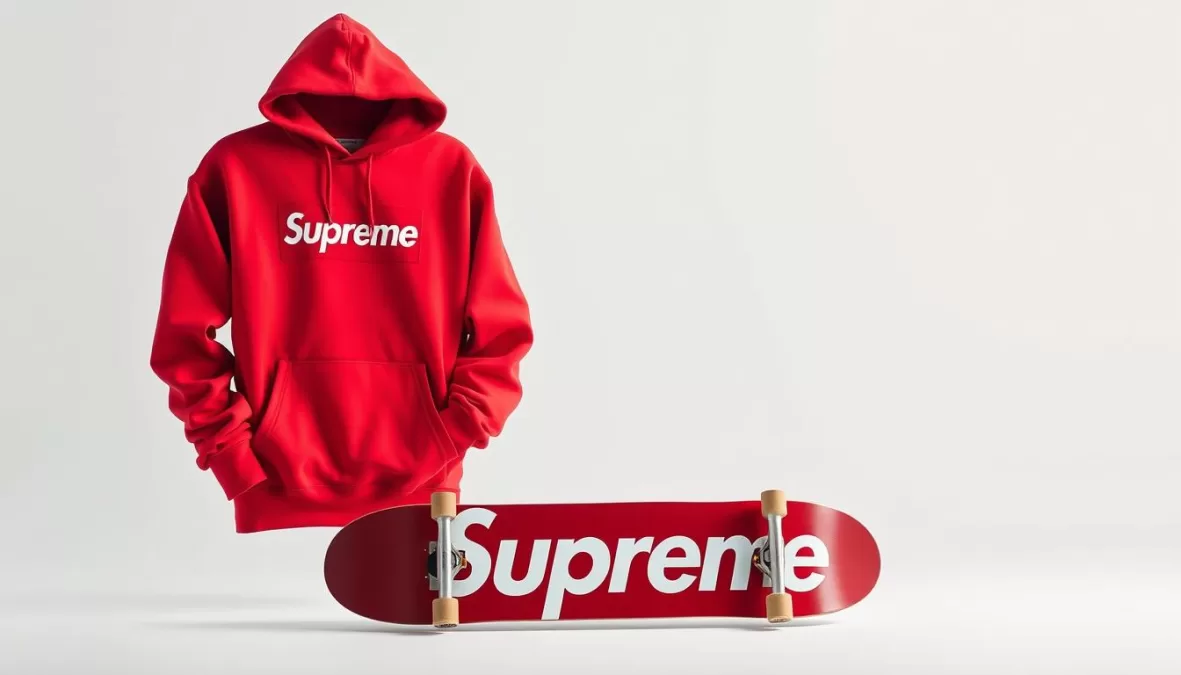
Supreme’s iconic red box logo has become one of the most coveted symbols in fashion, appearing on everything from hoodies and t-shirts to unexpected items like crowbars and bricks. The brand’s cultural impact extends far beyond clothing, representing a lifestyle and attitude that resonates with skaters, artists, musicians, and fashion enthusiasts alike.
Signature Products
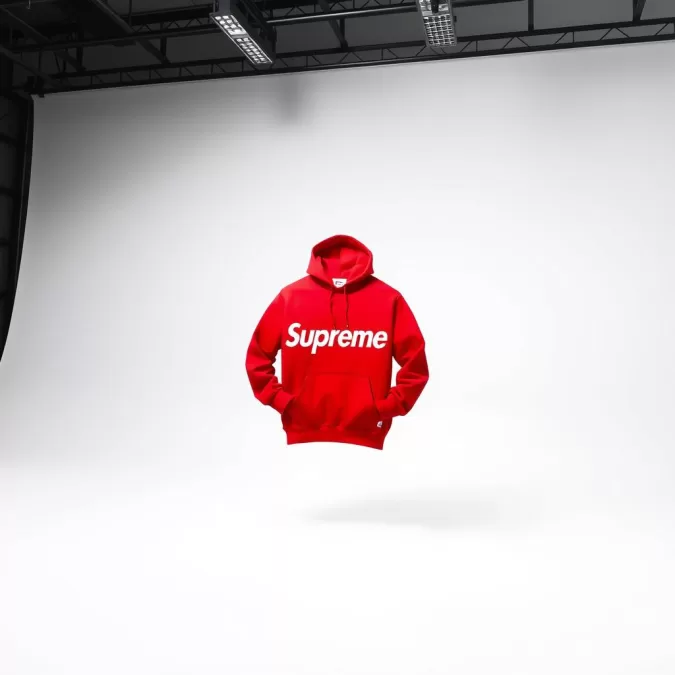
Box Logo Hoodie: Perhaps the most iconic piece in streetwear history, the Supreme Box Logo hoodie regularly sells out in seconds and commands resale prices many times its retail value.
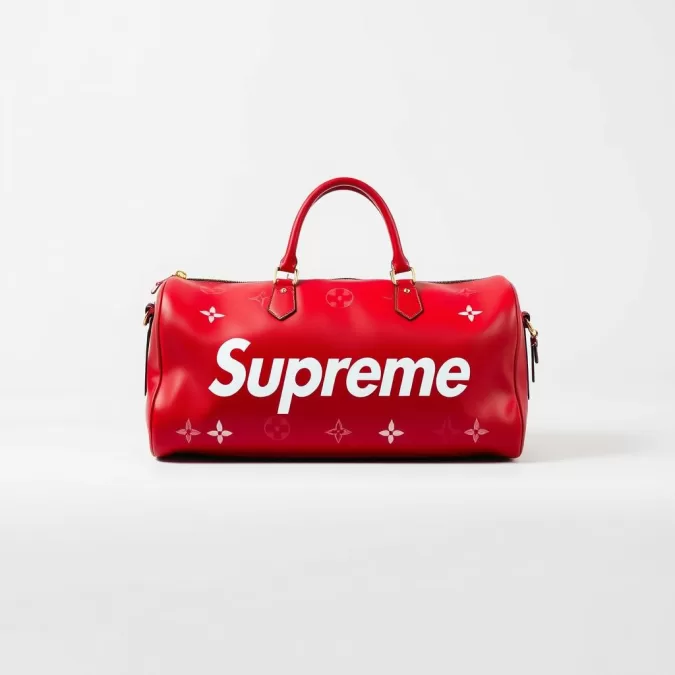
Supreme x Louis Vuitton Collaboration: This groundbreaking 2017 partnership legitimized streetwear in the luxury space and remains one of fashion’s most significant crossovers.
Cultural Impact
Supreme’s influence extends to high-profile collaborations with artists like Takashi Murakami and brands ranging from Nike to The North Face. Celebrities from Travis Scott to Lady Gaga have embraced the brand, further cementing its cultural relevance. In 2020, VF Corporation acquired Supreme for $2.1 billion, demonstrating the immense value of authentic streetwear in today’s fashion landscape.
Elevate Your Streetwear Collection
Shop the latest Supreme drops and secure your piece of streetwear history.
2. Off-White: Bridging Street and Luxury
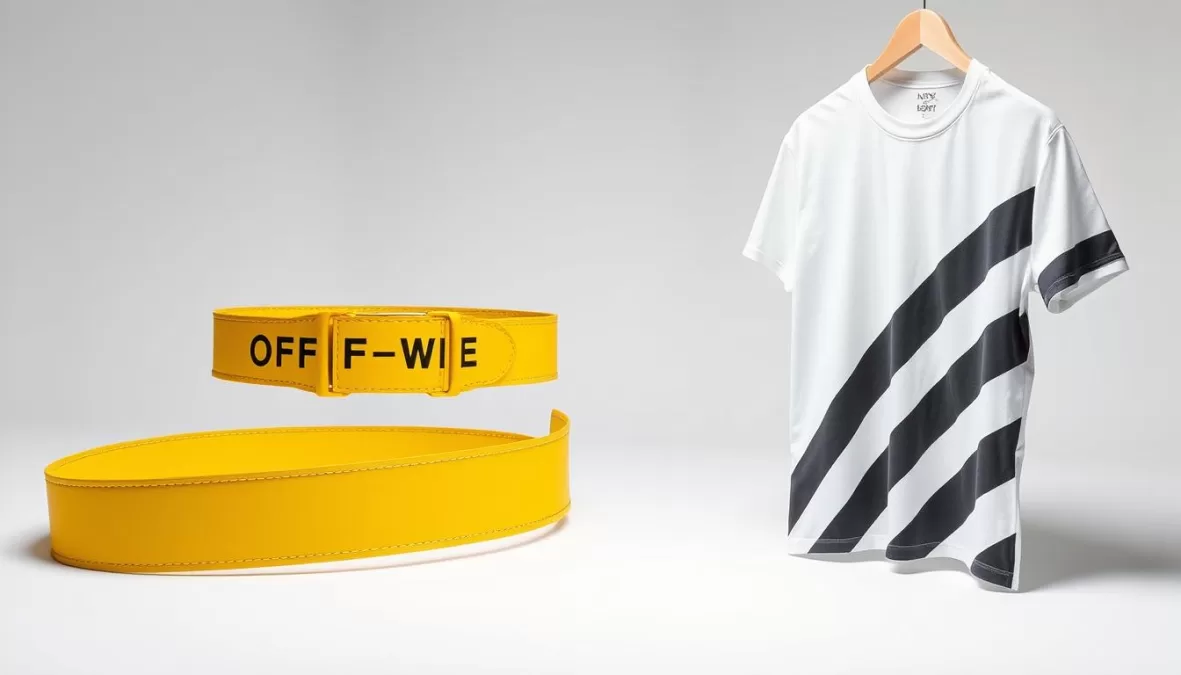
Founded by the late Virgil Abloh in 2012, Off-White quickly became one of the most influential forces in contemporary fashion. Described by Abloh as “the gray area between black and white,” the brand successfully bridged the gap between streetwear and luxury fashion, creating a new category that resonated with a generation seeking both cultural authenticity and high-end quality.
Off-White’s distinctive aesthetic combines industrial elements, quotation marks, diagonal stripes, and ironic references to create instantly recognizable pieces. Abloh’s background in architecture, engineering, and DJ culture informed the brand’s unique visual language, which has been widely imitated throughout the fashion industry.
Signature Products
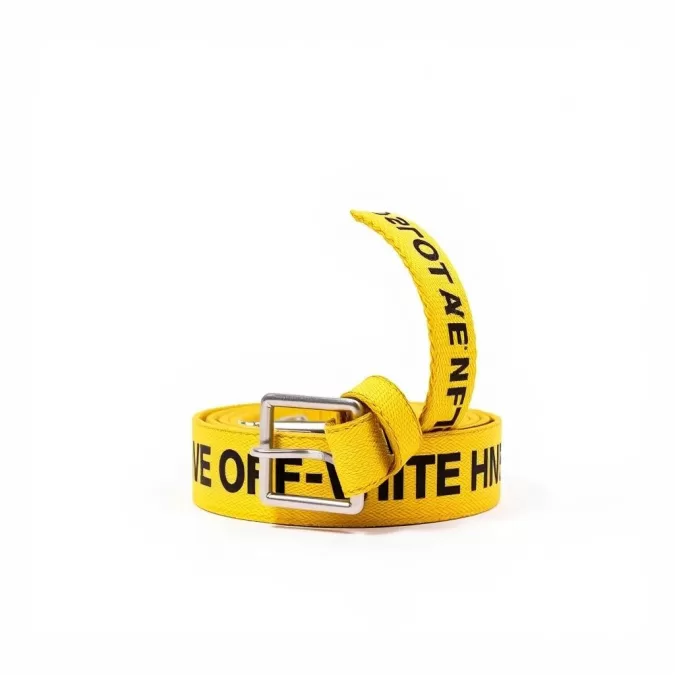
Industrial Belt: This accessory became an instant streetwear staple, with its bright yellow color and industrial-inspired design making it one of the most photographed items in street style.
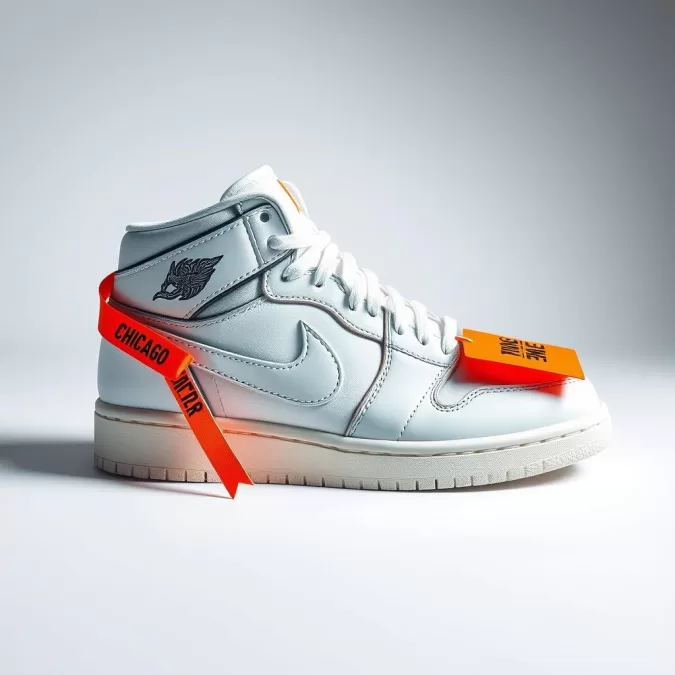
“The Ten” Nike Collaboration: Abloh’s reinterpretation of ten iconic Nike silhouettes revolutionized sneaker design with its deconstructed aesthetic and meta-referential details.
Cultural Impact
Virgil Abloh’s appointment as Louis Vuitton’s menswear artistic director in 2018 represented a watershed moment for streetwear’s acceptance in high fashion. His untimely passing in 2021 left an enormous void, but Off-White continues to influence global fashion with its distinctive approach to design and cultural commentary.
Experience Off-White’s Vision
Discover the latest collections that continue Virgil Abloh’s groundbreaking legacy.
3. Fear of God: Redefining American Luxury
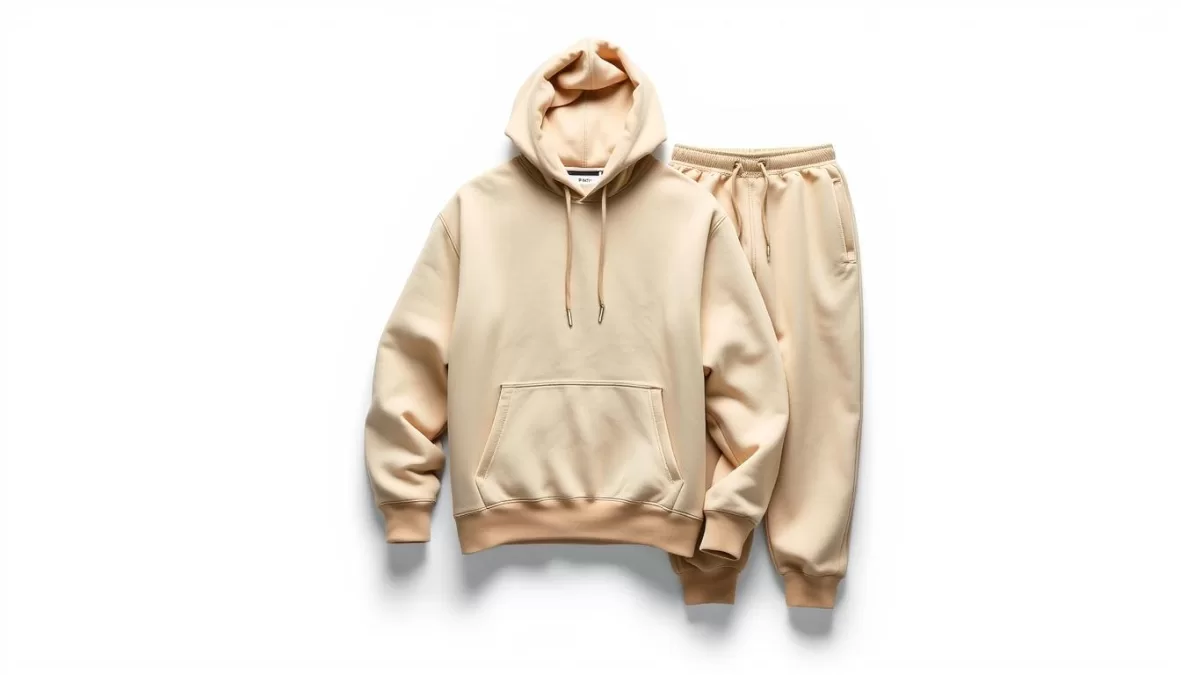
Founded by Jerry Lorenzo in 2013, Fear of God has redefined American luxury through its unique blend of streetwear, sportswear, and high-end craftsmanship. The brand’s aesthetic draws inspiration from 90s grunge, hip-hop culture, and vintage Americana, creating a distinctive vision that has influenced countless designers and brands.
Fear of God’s approach to design emphasizes proportion, silhouette, and quality materials, resulting in pieces that feel both contemporary and timeless. Lorenzo’s attention to detail and commitment to craftsmanship have elevated streetwear to new heights, blurring the lines between casual and luxury fashion.
Signature Products
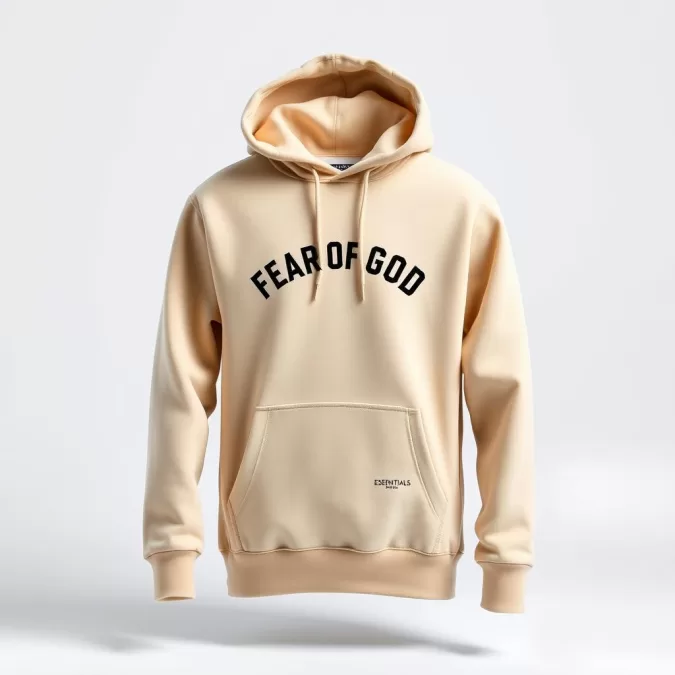
Essentials Collection: This diffusion line made Fear of God’s distinctive aesthetic more accessible, with its minimal branding and focus on quality basics becoming a streetwear staple.
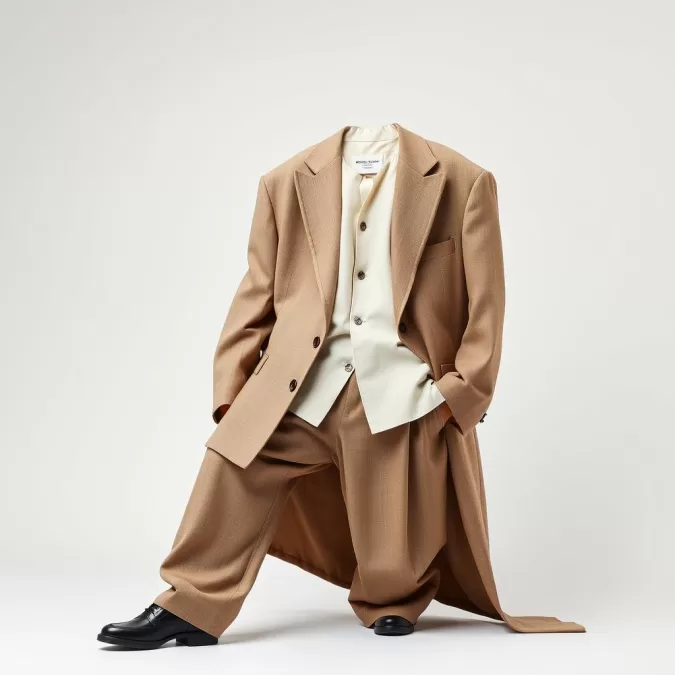
Sixth Collection: This collection showcased Lorenzo’s evolution as a designer, incorporating tailored elements and sophisticated silhouettes while maintaining the brand’s streetwear DNA.
Cultural Impact
Fear of God has collaborated with major brands including Nike, Ermenegildo Zegna, and New Era, bringing its unique perspective to different product categories. The brand has been embraced by celebrities like Justin Bieber, Kanye West, and LeBron James, further cementing its cultural relevance in both streetwear and mainstream fashion.
Elevate Your Everyday Style
Discover Fear of God’s perfect balance of luxury and streetwear sensibilities.
4. Stüssy: The Original Streetwear Pioneer
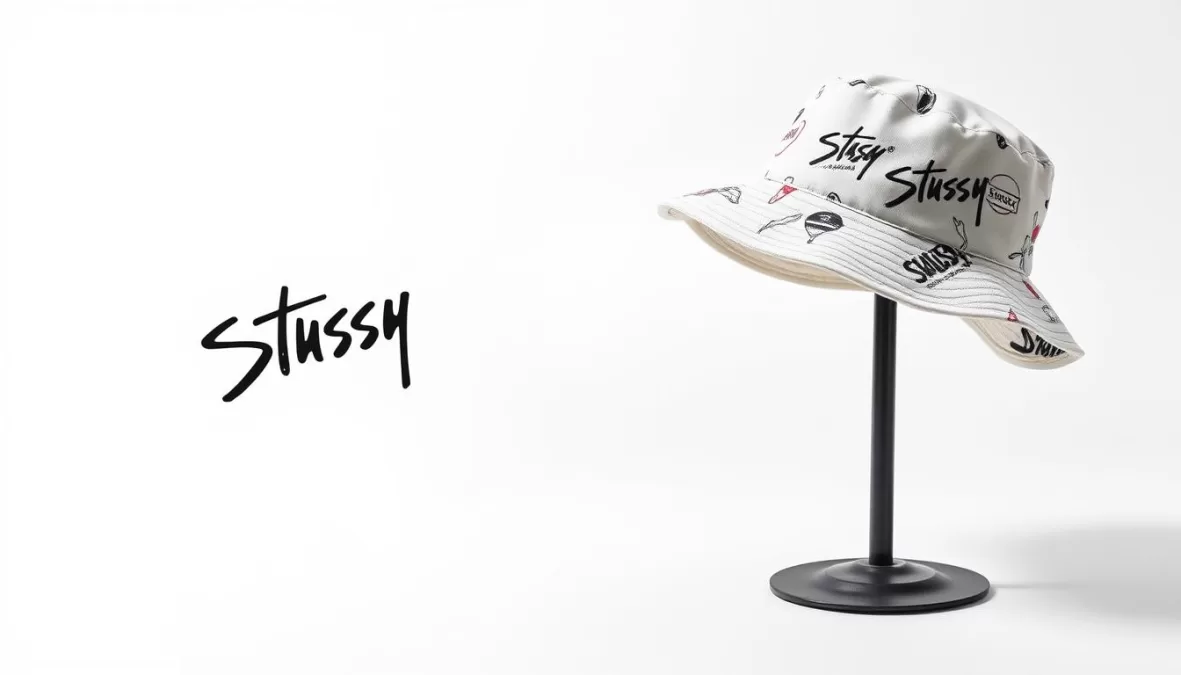
Founded by Shawn Stüssy in the early 1980s, Stüssy is widely considered the original streetwear brand. What began as a surfboard shaping business in Laguna Beach, California, evolved into a global clothing phenomenon when Stüssy began printing his distinctive signature on t-shirts and shorts to promote his custom surfboards.
Stüssy’s unique blend of surf culture, hip-hop influences, and international streetwear sensibilities created a new aesthetic that resonated beyond traditional fashion boundaries. The brand’s iconic logo and laid-back California vibe have remained relevant for over four decades, influencing countless brands that followed.
Signature Products
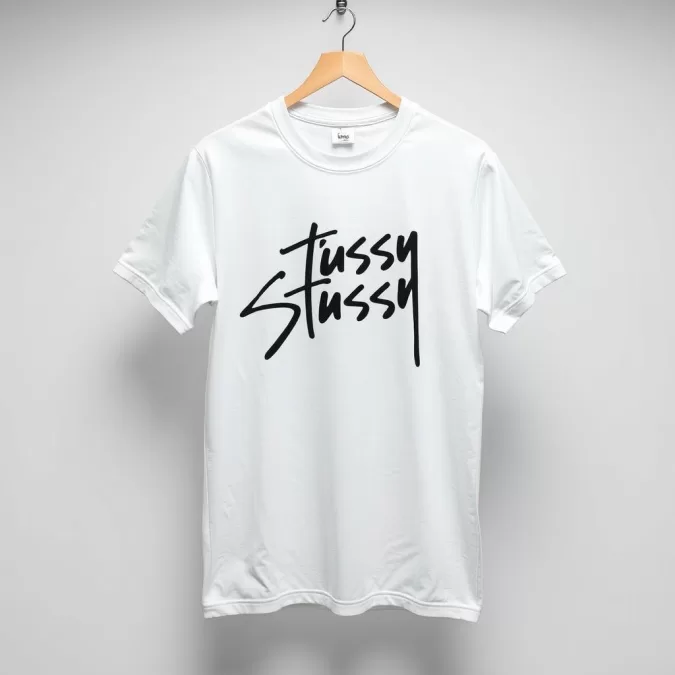
Signature Logo Tee: The brand’s most iconic product features Shawn Stüssy’s graffiti-inspired signature, which has become one of the most recognizable logos in streetwear.
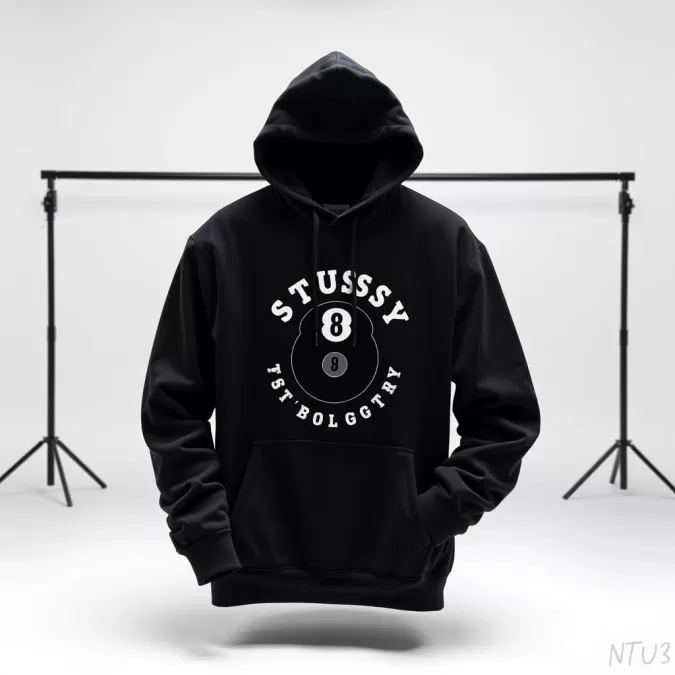
8-Ball Graphics: This recurring motif has appeared throughout Stüssy’s history, becoming a signature element that represents the brand’s connection to street culture.
Cultural Impact
Stüssy was a founding member of the “International Stüssy Tribe,” a global network of like-minded creatives that helped spread the brand’s influence worldwide. Recent collaborations with brands like Dior, Our Legacy, and Nike have introduced Stüssy to new audiences while reinforcing its status as a streetwear pioneer.
Own a Piece of Streetwear History
Shop the latest collections from the original streetwear pioneer.
5. A Bathing Ape (BAPE): Japanese Streetwear Icon
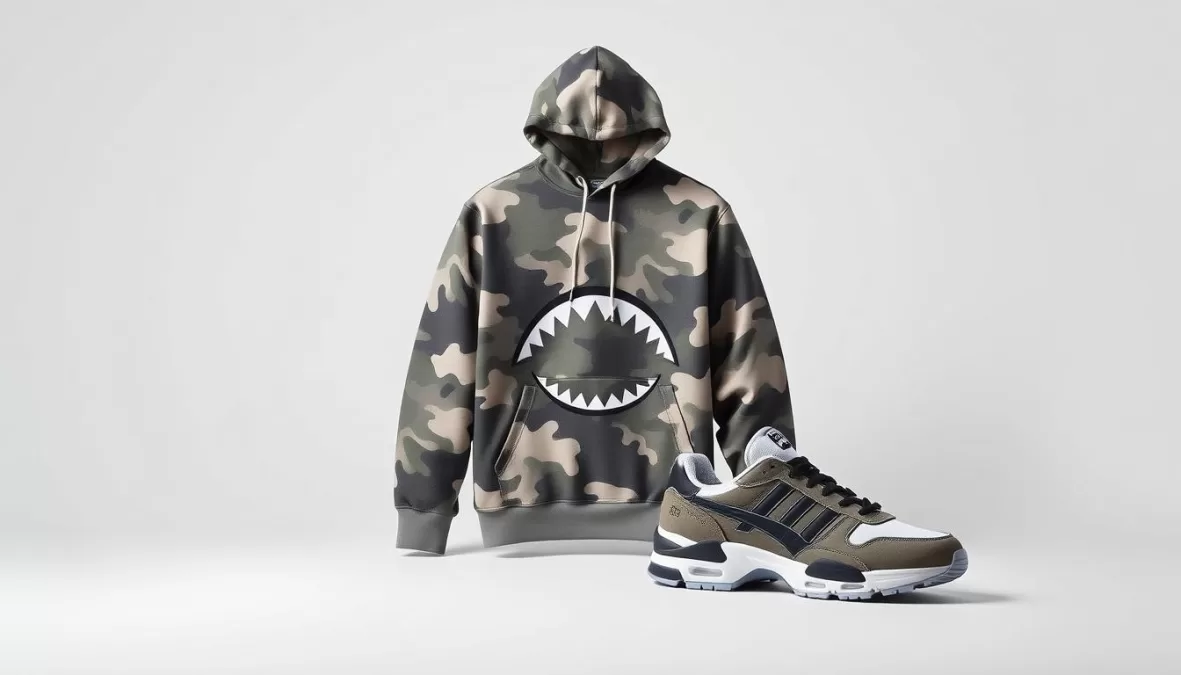
Founded by Nigo in 1993, A Bathing Ape (BAPE) emerged from Tokyo’s Harajuku district to become one of the most influential streetwear brands globally. Known for its colorful camouflage patterns, cartoon-inspired graphics, and limited-edition releases, BAPE created a blueprint for streetwear’s scarcity model that many brands would later adopt.
BAPE’s distinctive aesthetic combines Japanese pop culture, hip-hop influences, and streetwear sensibilities, creating instantly recognizable pieces that have maintained their appeal for nearly three decades. The brand’s playful approach to design and marketing helped establish Japan as a major force in global streetwear.
Signature Products
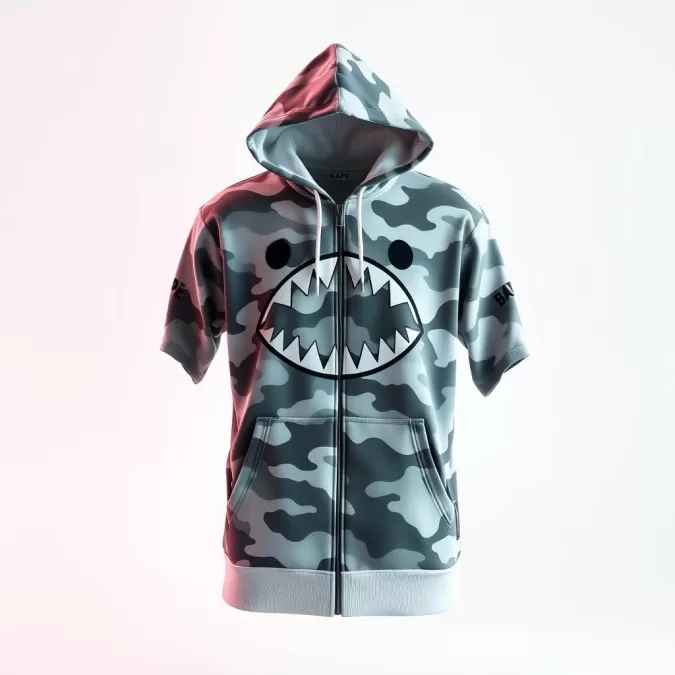
Shark Hoodie: This full-zip hoodie featuring a shark face design has become one of streetwear’s most recognizable garments, frequently seen on celebrities and influencers.
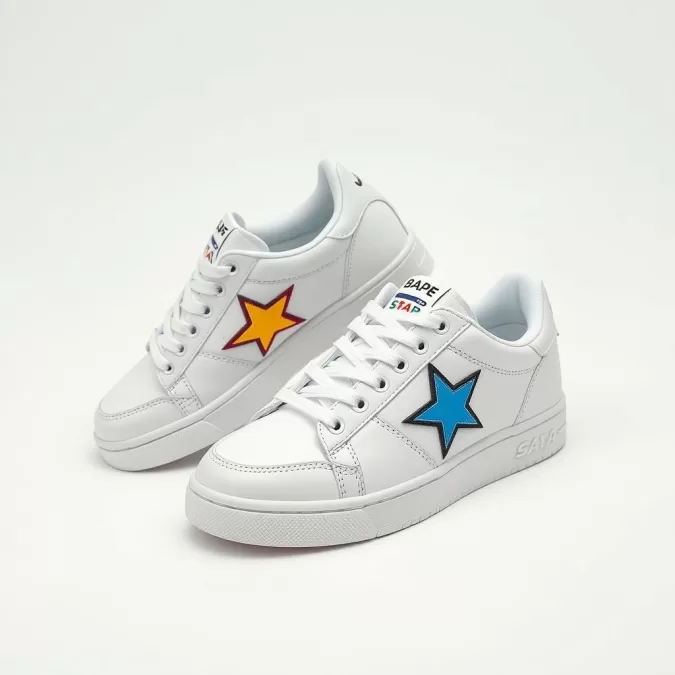
BAPE STA: These sneakers with their distinctive star logo became a status symbol in hip-hop culture during the early 2000s, influencing sneaker design for years to come.
Cultural Impact
BAPE’s influence on hip-hop culture was cemented through associations with artists like Pharrell Williams, Kanye West, and Lil Wayne. The brand’s collaborations span from streetwear peers like Supreme to unexpected partners like Coca-Cola and SpongeBob SquarePants, demonstrating its versatility and cultural reach.
Stand Out With Japanese Streetwear
Discover BAPE’s iconic designs and limited-edition releases.
6. Palace: British Skateboarding Meets Streetwear
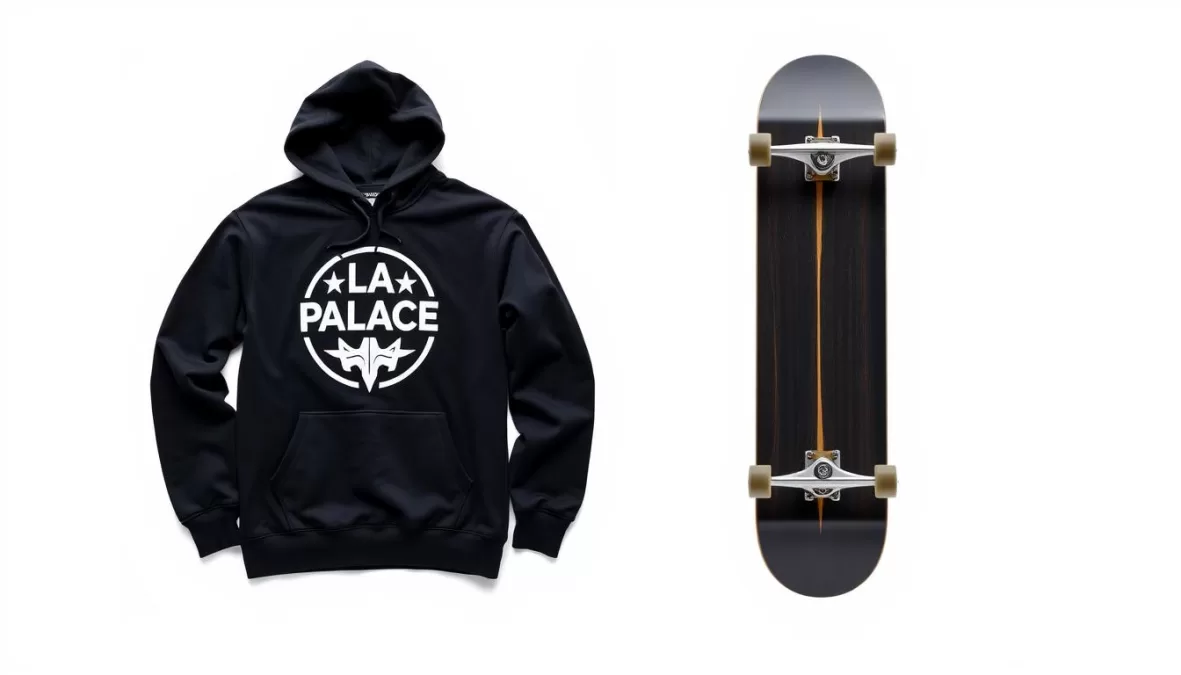
Founded by Lev Tanju in 2009, Palace emerged from London’s South Bank skateboarding scene to become one of streetwear’s most distinctive voices. The brand’s irreverent humor, 90s nostalgia, and distinctly British sensibility have created a unique identity that stands apart from its American and Japanese counterparts.
Palace’s approach combines authentic skateboarding roots with high-quality products and clever marketing, including their famously cryptic and humorous product descriptions. The brand’s Tri-Ferg logo has become an instantly recognizable symbol in streetwear, appearing on everything from hoodies and t-shirts to unexpected collaborations.
Signature Products
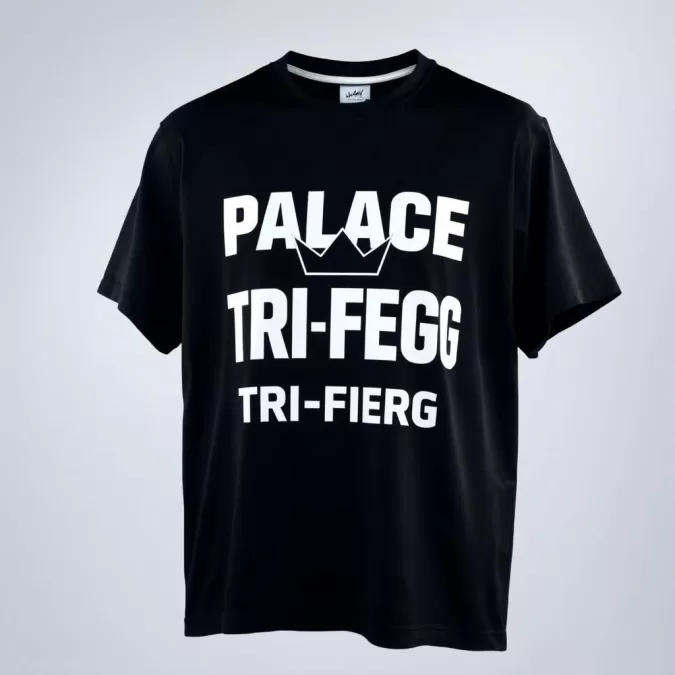
Tri-Ferg Logo Tee: The brand’s triangular logo has become one of streetwear’s most coveted symbols, with logo tees selling out within minutes of release.
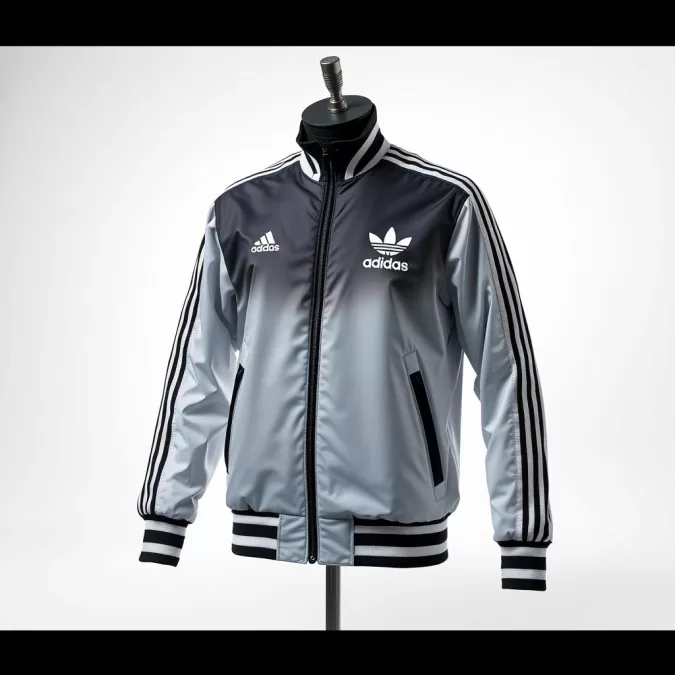
Adidas Collaborations: Palace’s ongoing partnership with Adidas has produced some of the most sought-after collaborative pieces in streetwear, combining British irreverence with German sportswear heritage.
Cultural Impact
Palace has expanded beyond its skateboarding roots to collaborate with luxury brands like Ralph Lauren and Moschino, as well as unexpected partners like Juventus Football Club. The brand’s witty VHS-style lookbooks and promotional videos have created a distinctive visual identity that resonates with fans worldwide.
Bring British Streetwear to Your Wardrobe
Shop Palace’s latest drops and collaborative collections.
7. Kith: Elevating Streetwear Through Curation
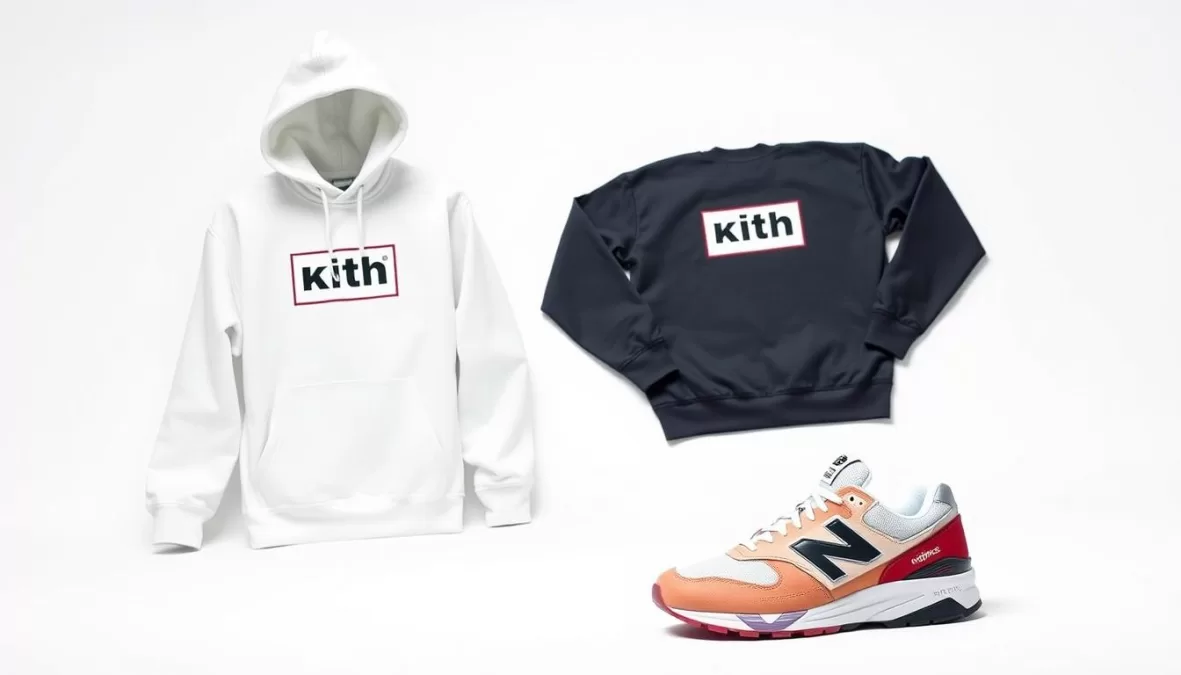
Founded by Ronnie Fieg in 2011, Kith began as a footwear boutique in Brooklyn and has evolved into one of streetwear’s most influential multi-brand retailers and in-house labels. Fieg’s background as a footwear buyer and designer informed Kith’s approach to product development and curation, creating a unique position in the streetwear ecosystem.
Kith’s aesthetic combines classic American sportswear influences with contemporary streetwear sensibilities, resulting in versatile pieces that appeal to a broad audience. The brand’s retail spaces function as cultural hubs, featuring Kith Treats cereal bars and carefully curated selections of products from other brands.
Signature Products
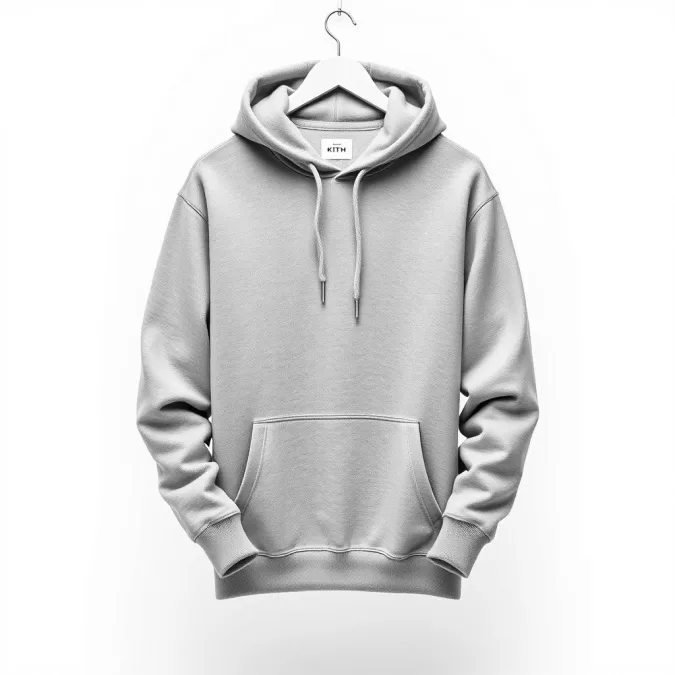
Box Logo Hoodies: Kith’s minimalist box logo hoodies have become staples in the streetwear world, offering a more refined alternative to louder graphics.
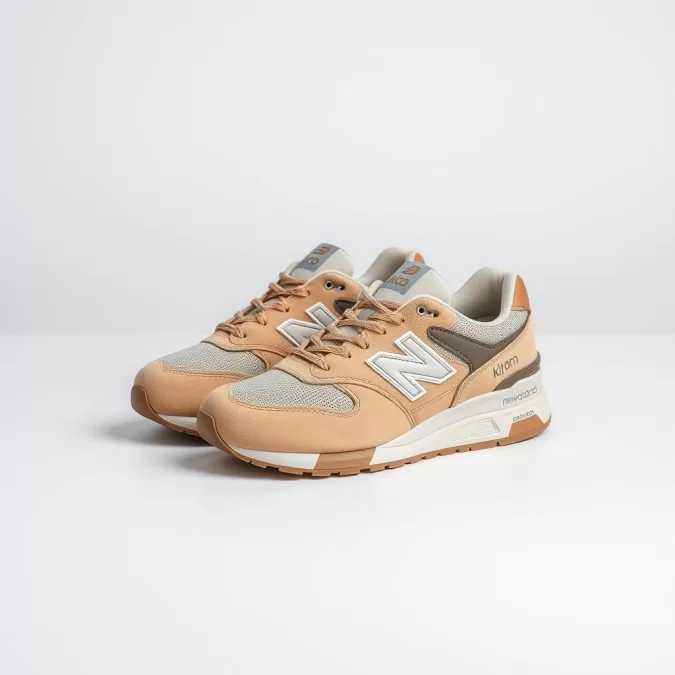
Footwear Collaborations: Ronnie Fieg’s partnerships with brands like New Balance, Asics, and Nike have produced some of the most coveted limited-edition sneakers in the market.
Cultural Impact
Kith has collaborated with an impressive range of partners, from luxury brands like Versace to iconic American companies like Coca-Cola and Disney. The brand’s seasonal runway shows have become major events in the fashion calendar, featuring celebrity models and showcasing Kith’s evolution beyond traditional streetwear boundaries.
Experience Kith’s Curated Vision
Shop the latest collections and collaborations from Ronnie Fieg’s influential brand.
8. Aimé Leon Dore: New York’s New Streetwear Classic
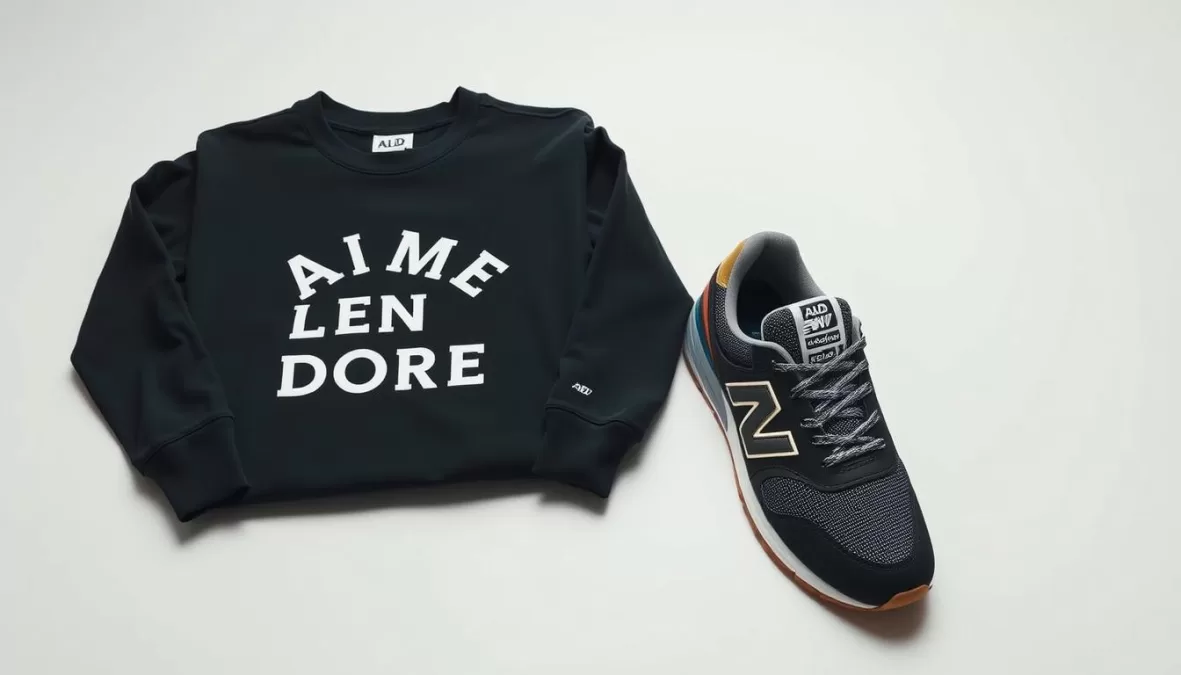
Founded by Teddy Santis in 2014, Aimé Leon Dore (ALD) has quickly established itself as one of the most influential voices in contemporary streetwear. Based in Queens, New York, the brand draws inspiration from 90s hip-hop culture, vintage sportswear, and classic Americana, creating a distinctive aesthetic that feels both nostalgic and fresh.
ALD’s approach to design emphasizes quality materials, thoughtful details, and a color palette that references vintage sportswear and preppy classics. The brand has successfully bridged the gap between streetwear and traditional menswear, appealing to a diverse audience that appreciates its refined take on casual clothing.
Signature Products
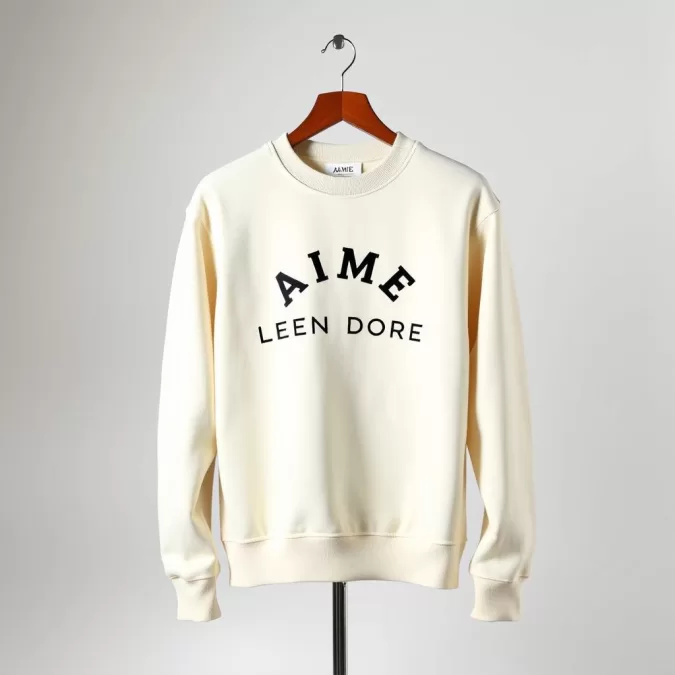
Logo Sweatshirts: ALD’s minimalist logo sweatshirts have become staples in the streetwear world, offering a perfect balance of branding and understated design.
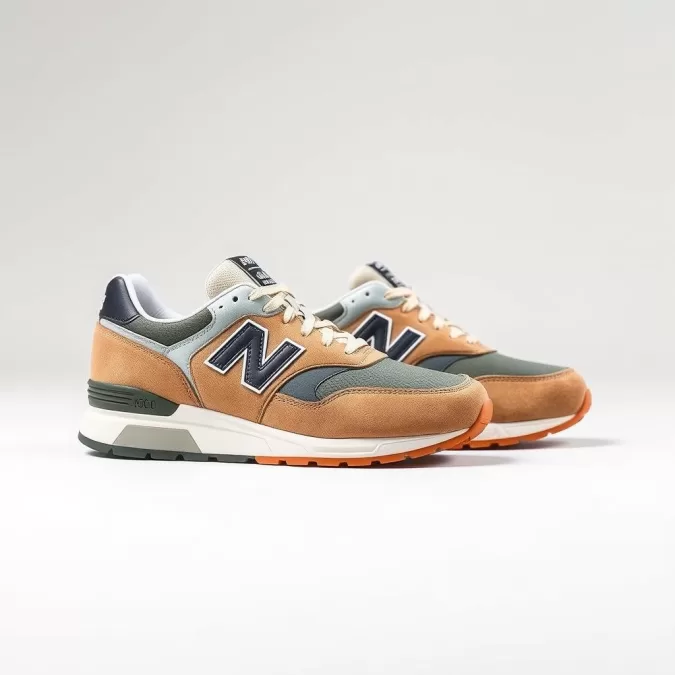
New Balance Collaborations: ALD’s partnership with New Balance has revitalized classic silhouettes like the 550 and 1300, creating some of the most coveted sneakers in recent years.
Cultural Impact
Aimé Leon Dore’s influence extends beyond its products to its Mulberry Street flagship store and Café Leon Dore, which have become cultural hubs in New York City. Teddy Santis’s appointment as creative director of New Balance’s Made in USA line further demonstrates ALD’s growing influence in the fashion industry.
Embrace New York’s Finest Streetwear
Discover Aimé Leon Dore’s unique blend of vintage inspiration and contemporary design.
9. Brain Dead: Art Collective Meets Streetwear

Founded by Kyle Ng and Ed Davis in 2014, Brain Dead began as a creative collective of artists and designers before evolving into one of streetwear’s most distinctive brands. Based in Los Angeles, Brain Dead draws inspiration from post-punk, horror comics, and underground subcultures to create a unique visual language that stands apart from mainstream streetwear.
Brain Dead’s approach to design emphasizes bold graphics, experimental prints, and collaborative projects that blur the lines between fashion, art, and activism. The brand’s distinctive logo and psychedelic aesthetics have created a dedicated following among those seeking alternatives to more commercial streetwear brands.
Signature Products
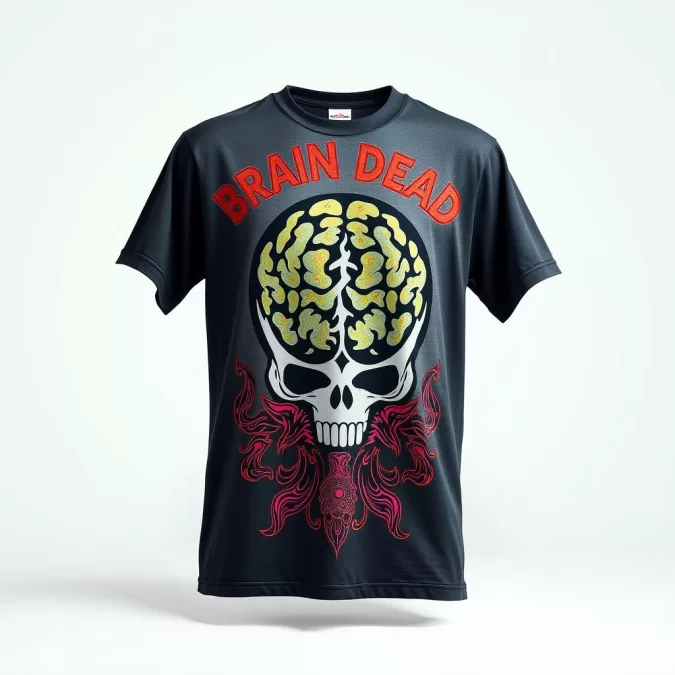
Graphic Tees: Brain Dead’s t-shirts feature distinctive graphics that draw from underground comics, post-punk aesthetics, and surrealist art, creating instantly recognizable pieces.
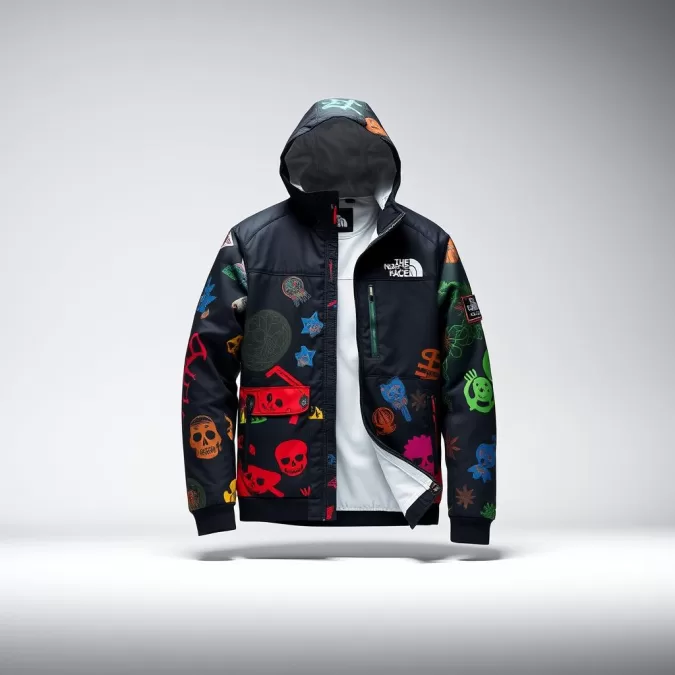
Collaborative Projects: Brain Dead’s partnerships with brands like The North Face, Converse, and Reebok have produced some of the most creative and distinctive collaborations in streetwear.
Cultural Impact
Brain Dead’s influence extends beyond clothing to film screenings, art exhibitions, and community initiatives. The brand’s commitment to supporting social causes, including racial justice and environmental activism, has established it as a socially conscious voice in the streetwear landscape.
Express Your Creative Side
Discover Brain Dead’s unique blend of art, music, and streetwear influences.
10. Carhartt WIP: Workwear Meets Street Culture
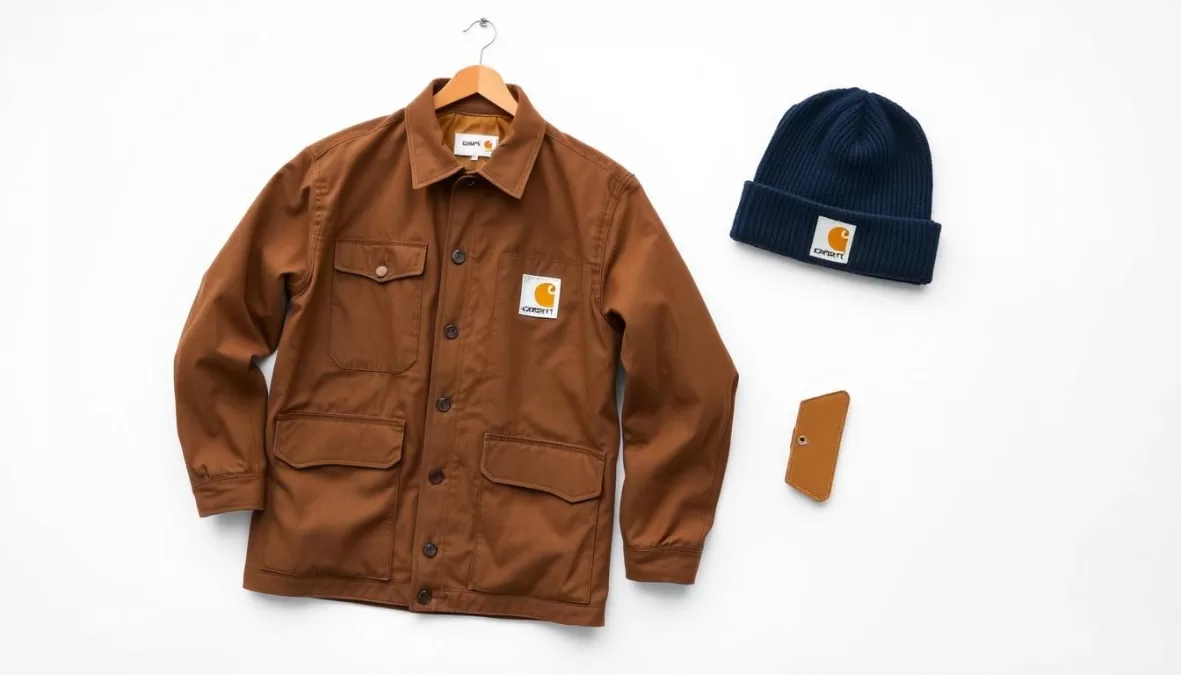
Founded in 1989 as the European licensee of American workwear brand Carhartt, Carhartt Work In Progress (WIP) has evolved into a streetwear powerhouse in its own right. The brand successfully adapted traditional workwear silhouettes for urban environments, creating a distinctive aesthetic that resonates with skaters, artists, and fashion enthusiasts worldwide.
Carhartt WIP’s approach combines the durability and functionality of traditional workwear with contemporary fits and colorways, resulting in versatile pieces that have become streetwear staples. The brand’s authentic heritage and commitment to quality have established it as a consistent presence in a rapidly changing fashion landscape.
Signature Products
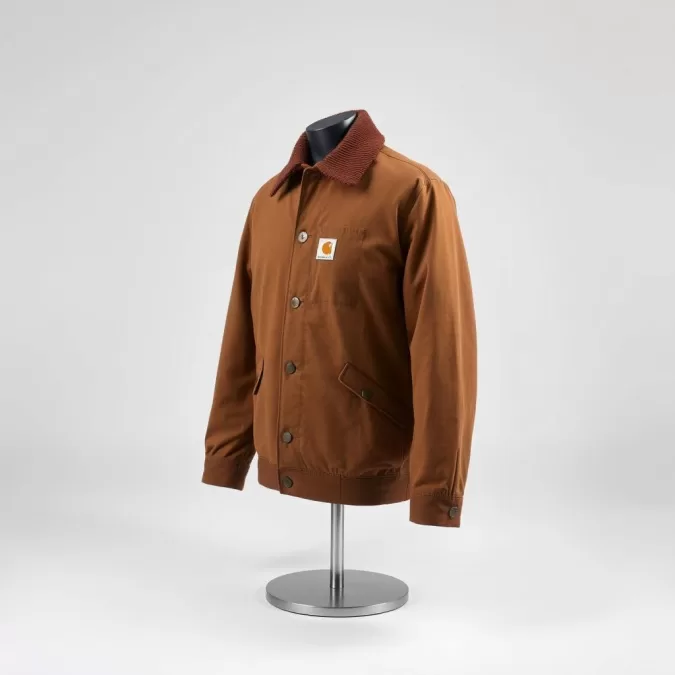
Detroit Jacket: This updated version of Carhartt’s classic workwear jacket has become a streetwear icon, offering durability and timeless style.
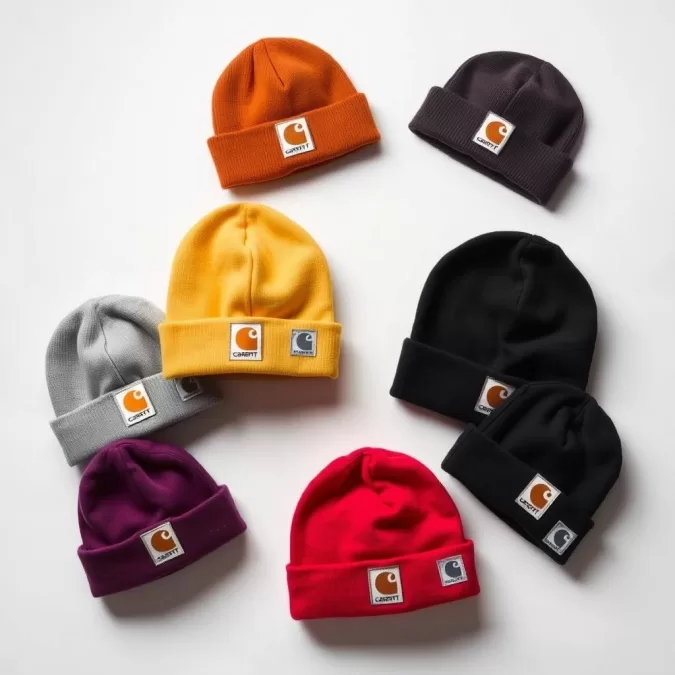
Logo Beanie: Perhaps the brand’s most recognizable accessory, the Carhartt WIP beanie with its simple logo patch has become a staple in streetwear wardrobes worldwide.
Cultural Impact
Carhartt WIP’s influence spans multiple subcultures, from skateboarding and hip-hop to electronic music scenes across Europe. The brand has collaborated with diverse partners including Patta, Junya Watanabe, and underground record labels, reinforcing its connection to authentic street culture.
Add Workwear-Inspired Classics to Your Wardrobe
Shop Carhartt WIP’s durable, functional, and stylish streetwear essentials.
Streetwear Trends Shaping 2024’s Global Fashion Culture
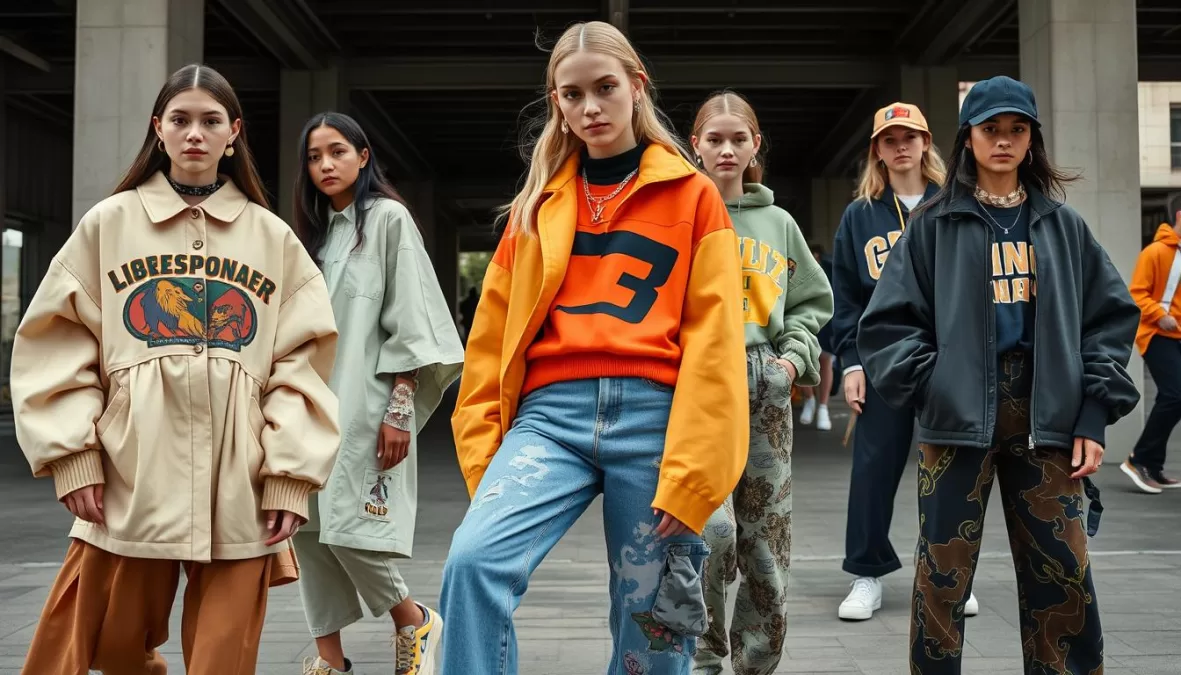
As streetwear continues to evolve in 2024, several key trends are emerging across the global fashion landscape. The boundaries between streetwear and luxury continue to blur, with high-end materials and craftsmanship becoming increasingly important even in casual clothing. Sustainability has moved from a marketing buzzword to a central concern, with brands incorporating recycled materials and transparent supply chains into their business models.
Vintage Revival
Archival pieces from the 90s and early 2000s are experiencing a major resurgence, with brands reissuing classic designs and collectors paying premium prices for original items. This nostalgia-driven trend connects with both older consumers who experienced these eras firsthand and younger generations discovering them through social media.
Technical Innovation
Advanced fabrics and construction techniques are becoming increasingly important in streetwear, with brands incorporating performance materials traditionally found in outdoor and athletic gear. This functional approach addresses the needs of urban consumers while creating distinctive aesthetic elements.
Cultural Authenticity
As streetwear becomes more global, brands with authentic connections to specific cultural contexts are gaining prominence. From regional aesthetics to community-focused initiatives, consumers are increasingly valuing brands that represent genuine cultural expressions rather than appropriated styles.
The Future of Streetwear in Global Fashion Culture
Streetwear’s journey from subcultural expression to global fashion phenomenon represents one of the most significant shifts in contemporary style. What began as clothing for specific communities—skaters, surfers, hip-hop enthusiasts—has evolved into a universal language that influences everything from luxury fashion to mainstream retail.
The top streetwear brands of 2024 continue to push boundaries, blending cultural authenticity with innovative design and strategic marketing. While some critics have predicted streetwear’s demise, the reality is more complex: streetwear isn’t disappearing but evolving, absorbing influences from traditional fashion while maintaining its connection to street culture.
As the lines between fashion categories continue to blur, streetwear’s influence on global fashion culture will likely grow even stronger. The democratic, community-driven ethos that has always defined streetwear provides a blueprint for the future of fashion—one that values authenticity, creativity, and cultural relevance over traditional notions of luxury and exclusivity.
Whether through groundbreaking collaborations, innovative business models, or bold creative visions, the top streetwear brands of today are shaping how we’ll dress tomorrow, cementing streetwear’s position as the dominant force in global fashion culture for years to come.

Priyanka Pandey
Senior Research Editor · Top10Sense
Priyanka specializes in tech, consumer products, and digital trends. She combines hands-on testing, vendor interviews, and database research to create trustworthy “Top 10” rankings. Her work has been referenced by industry blogs and brand report pages.