

Education shapes not just individual futures but the trajectory of entire nations. As we navigate through 2025, certain countries continue to pioneer innovative approaches to learning, setting global standards for educational excellence. These nations invest significantly in teacher development, embrace cutting-edge technologies, prioritize equity, and consistently produce outstanding student outcomes. This comprehensive analysis examines the world’s leading education systems, their unique strengths, and the forward-thinking policies that position them at the forefront of global education.
What Makes an Education System Exceptional?
Modern education systems balance technology integration with collaborative learning approaches
Ranking education systems involves examining multiple dimensions that contribute to student success and societal advancement. The following criteria form the foundation of our 2025 rankings:
- Government Investment: Percentage of GDP allocated to education, reflecting national commitment to learning
- Teacher Quality: Requirements for teacher certification, ongoing professional development, and educator support systems
- Technological Integration: Implementation of digital tools, AI-assisted learning, and tech infrastructure
- Educational Equity: Measures to ensure quality education regardless of socioeconomic background
- Student Outcomes: Performance on international assessments like PISA, graduation rates, and career readiness
- Innovation: Implementation of research-based teaching methods and curriculum development
- Higher Education Quality: University rankings, research output, and global recognition
These factors collectively determine which countries are leading the way in preparing students for the complex challenges of our rapidly evolving world. Let’s explore the nations that excel across these dimensions in 2025.
10. Japan: Tradition Meets Innovation
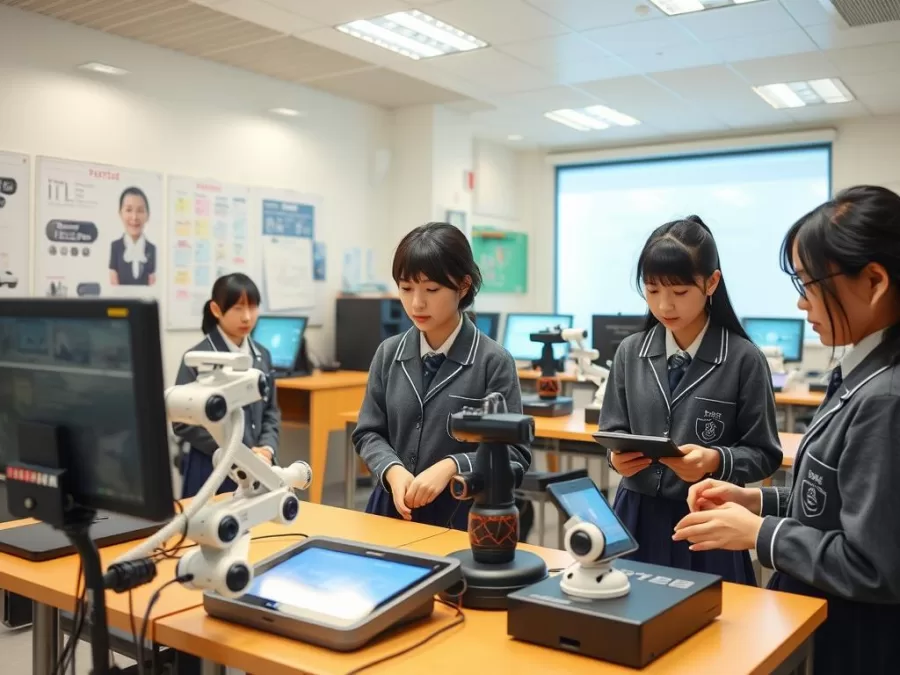
Japan continues to maintain its position among the world’s top education systems in 2025, skillfully balancing its deep-rooted educational traditions with technological advancement. With a literacy rate exceeding 99% and consistent top-tier performance in mathematics and science on international assessments, Japan’s systematic approach to education delivers remarkable results.
The Japanese education system invests 3.8% of its GDP in education, with particular emphasis on STEM subjects. The country’s approach to teaching mathematics has gained international recognition, focusing on problem-solving and conceptual understanding rather than rote memorization. By 2025, Japan has further enhanced its curriculum with increased emphasis on critical thinking and creativity, addressing previous criticisms about excessive pressure on students.
Notable innovations include the integration of AI-powered personalized learning platforms in public schools and the expansion of programming education from elementary levels. The University of Tokyo and Kyoto University continue to rank among the top 50 universities globally, cementing Japan’s reputation for academic excellence.
9. Netherlands: Accessible and Forward-Thinking
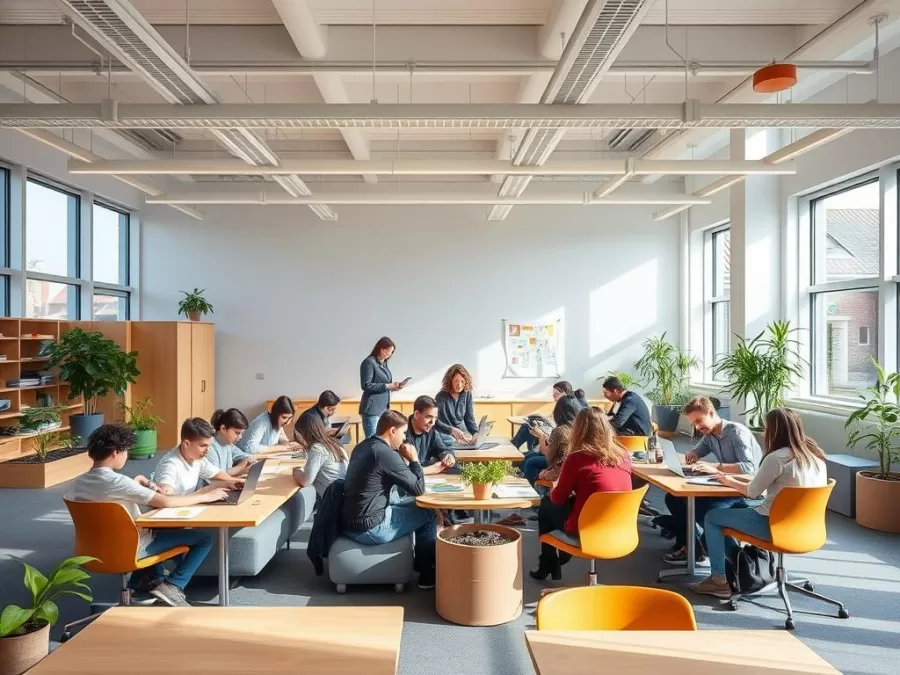
The Netherlands secures its position in our 2025 rankings through its distinctive approach to education that emphasizes accessibility, student autonomy, and innovation. Dutch schools foster independent thinking and problem-solving skills from an early age, preparing students to thrive in an increasingly complex global environment.
Strengths
- Over 2,000 English-taught programs for international students
- Strong emphasis on student well-being and happiness
- Excellent bilingual education options
- Innovative teaching methods focusing on student autonomy
Challenges
- Growing teacher shortages in certain subjects
- Regional disparities in educational resources
- Integration challenges for immigrant students
With an education investment of 5.4% of GDP, the Netherlands prioritizes both quality and accessibility. The Dutch system stands out for its bilingual education options and the freedom given to schools to determine their teaching methods while adhering to core quality standards. By 2025, the Netherlands has expanded its innovative “Steve Jobs Schools” concept, where personalized iPad-based learning plans replace traditional classrooms and fixed schedules.
Dutch universities like Delft University of Technology and the University of Amsterdam continue to excel in global rankings, particularly in fields such as engineering, agriculture, and social sciences. The country’s commitment to innovation in education is evident in its widespread adoption of design thinking and project-based learning approaches.
8. Sweden: Equity-Focused and Student-Centered
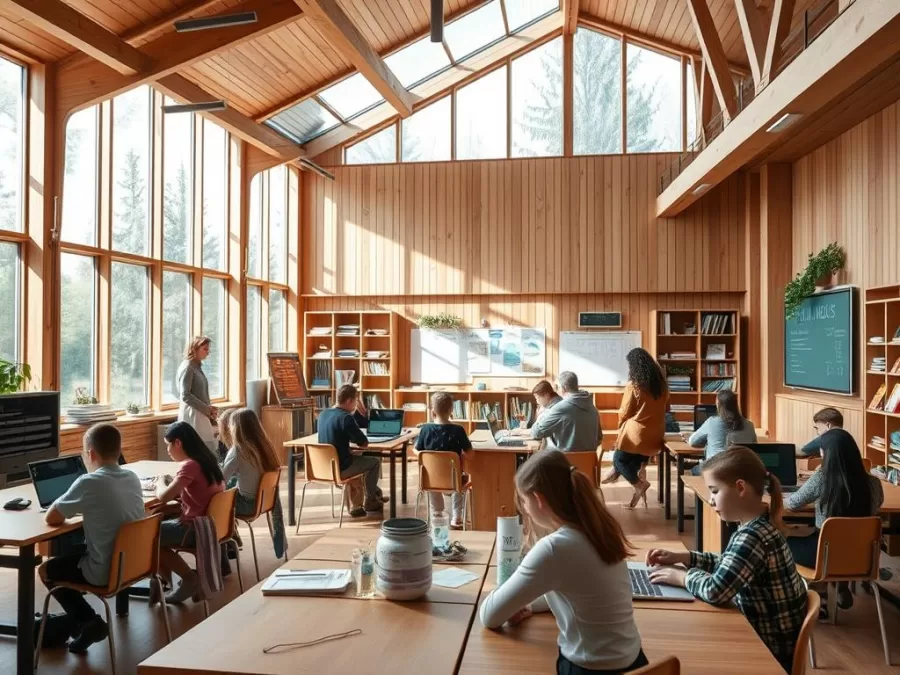
Sweden’s education system continues to earn global recognition in 2025 for its unwavering commitment to educational equity and student-centered approaches. The Swedish model stands out for treating education as a fundamental right, ensuring all students receive quality instruction regardless of socioeconomic background.
“The Swedish education system exemplifies how prioritizing student well-being and autonomy alongside academic achievement creates resilient, creative learners prepared for future challenges.”
Investing 7.6% of its GDP in education, Sweden provides free education from preschool through university. The country’s approach emphasizes student agency, with children encouraged to take responsibility for their learning from an early age. By 2025, Sweden has further refined its “fritidshem” (leisure-time centers) model, which provides enriching after-school activities that complement formal education.
Swedish schools have pioneered the integration of sustainability education across all subjects, preparing students to address climate challenges. The country’s universities, including Karolinska Institute and Uppsala University, maintain strong positions in global rankings, particularly in fields related to sustainability, social welfare, and medical research.
A distinctive feature of the Swedish system is its late start to formal schooling (age 7) and absence of standardized testing until age 16, allowing children to develop at their own pace while fostering creativity and love of learning.
7. Switzerland: Precision and Practical Excellence
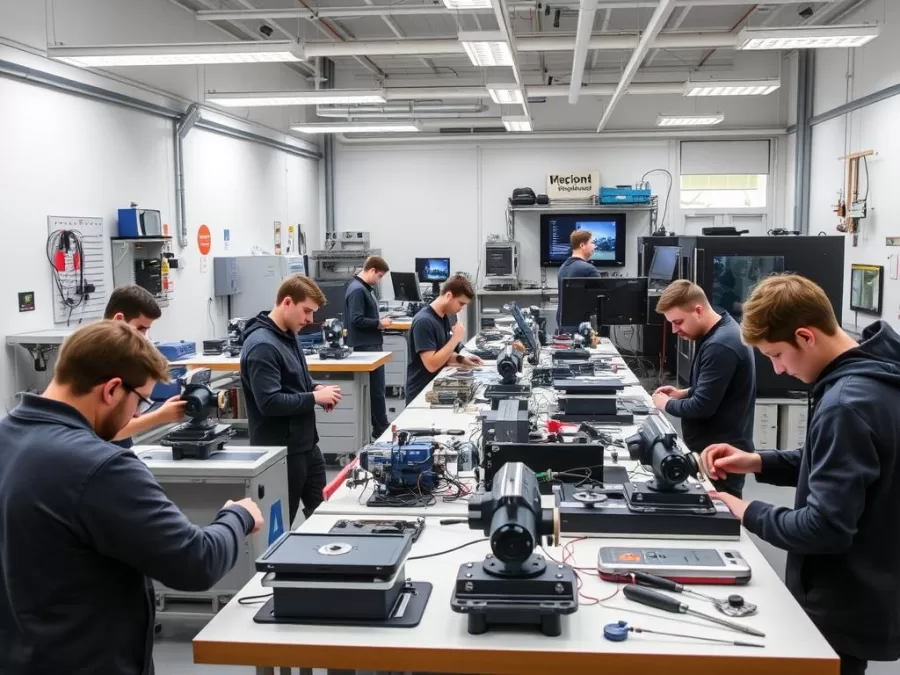
Switzerland’s education system earns its place among the global elite in 2025 through its exceptional dual-track approach that seamlessly blends academic rigor with practical vocational training. This balanced system produces both world-class academics and highly skilled professionals across various industries.
| Key Metric | Switzerland’s Performance | Global Average |
| Education Investment (% of GDP) | 5.1% | 4.3% |
| Student-Teacher Ratio | 10:1 | 16:1 |
| Youth Unemployment Rate | 3.2% | 12.7% |
| PISA Mathematics Ranking | 6th | N/A |
| Universities in Global Top 100 | 7 | N/A |
Switzerland’s multilingual education system (operating in German, French, Italian, and Romansh) prepares students for an interconnected world. The country’s vocational education and training (VET) system is particularly noteworthy, with approximately 70% of students choosing this pathway. By 2025, Switzerland has further enhanced its apprenticeship programs through digital integration and expanded international partnerships.
Swiss universities like ETH Zurich and École Polytechnique Fédérale de Lausanne (EPFL) maintain elite status in global rankings, particularly in engineering, natural sciences, and business. The country’s commitment to educational excellence is reflected in its substantial investment in research and development, positioning Switzerland as a global innovation leader.
6. Australia: Diverse and Globally Connected
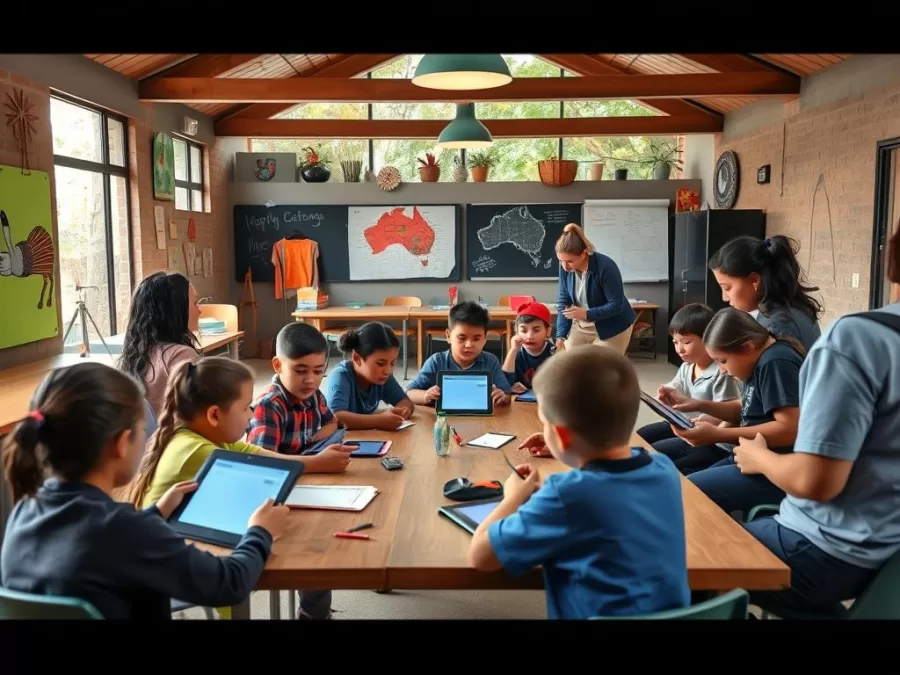
Australia continues to strengthen its position as a global education leader in 2025, offering a dynamic and inclusive system that effectively prepares students for an interconnected world. The Australian approach balances academic excellence with practical skills development and places strong emphasis on critical thinking.
Australia’s Education at a Glance
Education Investment: 5.8% of GDP
Literacy Rate: 99%
Universities in Global Top 100: 8
International Students: Over 750,000
Teacher Qualification: Minimum 4-year bachelor’s degree
The Australian education system stands out for its successful integration of diverse cultural perspectives, including indigenous knowledge, into its curriculum. By 2025, Australia has implemented a comprehensive digital literacy framework across all education levels, ensuring students develop the technological competencies needed for future workplaces.
Australian universities, including the University of Melbourne, University of Sydney, and Australian National University, have strengthened their global standing through research excellence and industry partnerships. The country’s vocational education and training (VET) sector has also undergone significant enhancement, with closer alignment to emerging industry needs.
A notable innovation in the Australian system is its expanded focus on Asia literacy and cross-cultural competencies, positioning graduates to thrive in the Asia-Pacific region’s growing economies. The country’s education system also emphasizes environmental sustainability education, reflecting Australia’s unique ecological challenges.
5. Germany: Dual Excellence and Precision

Germany’s education system maintains its elite status in 2025 through its renowned dual education model that masterfully combines theoretical knowledge with practical application. This approach has created one of the world’s most skilled workforces and contributed significantly to Germany’s economic strength.
What makes Germany’s dual education system unique?
Germany’s dual system combines classroom instruction with workplace training through apprenticeships. Students typically spend 3-4 days per week at a company and 1-2 days at a vocational school, earning while they learn. This approach creates a seamless transition from education to employment, resulting in one of the lowest youth unemployment rates globally (5.8% in 2025).
How does Germany maintain educational quality?
Germany invests 5.1% of its GDP in education and maintains strict quality standards through collaboration between government, educational institutions, and industry. Teacher training is rigorous, requiring extensive subject knowledge and pedagogical training. The system also features regular curriculum reviews to ensure alignment with evolving industry needs and technological developments.
By 2025, Germany has further enhanced its education system through the integration of digital competencies across all levels. The “DigitalPakt Schule” initiative has transformed classrooms with advanced technology infrastructure, while maintaining Germany’s traditional strengths in mathematics, science, and engineering.
German universities like Technical University of Munich, Ludwig Maximilian University of Munich, and Heidelberg University continue to excel in global rankings, particularly in engineering, natural sciences, and medicine. The country’s commitment to research is evident in its substantial R&D investment (3.2% of GDP in 2025), fostering innovation and technological advancement.
4. Canada: Inclusive Excellence and Diversity

Canada secures its position among the world’s educational elite in 2025 through its exceptional commitment to accessible, high-quality education for all students regardless of background. The Canadian system successfully balances academic excellence with inclusivity, producing graduates who excel both academically and in cross-cultural competencies.
Key Strengths
- Provincial autonomy allowing educational innovation
- Exceptional support for immigrant and international students
- Strong emphasis on bilingualism and multilingualism
- Comprehensive early childhood education programs
- Robust public funding (6.2% of GDP in 2025)
2025 Innovations
- Expanded Indigenous knowledge integration across curricula
- Advanced AI-powered personalized learning platforms
- Enhanced climate literacy and sustainability education
- Comprehensive digital citizenship programs
- Strengthened school-to-work transition pathways
Canada’s education system stands out for its success in serving diverse student populations. By 2025, Canada has further enhanced its support for newcomers through expanded language immersion programs and culturally responsive teaching practices. The country consistently ranks among the top performers in PISA assessments, particularly in reading literacy.
Canadian universities, including the University of Toronto, McGill University, and the University of British Columbia, maintain strong positions in global rankings across multiple disciplines. The country’s commitment to research excellence is reflected in significant discoveries in fields ranging from artificial intelligence to climate science.
A notable feature of the Canadian system is its balanced approach to assessment, combining standardized measures with more holistic evaluations of student growth. This approach has proven effective in identifying and supporting diverse learning needs while maintaining high academic standards.
3. United Kingdom: Traditional Excellence Meets Innovation
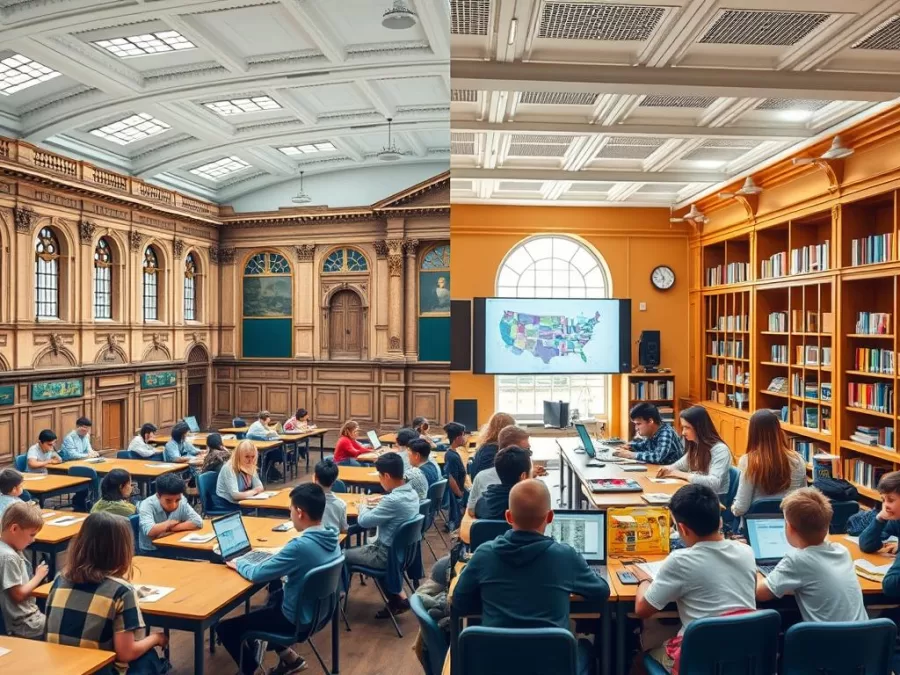
The United Kingdom maintains its position as a global education powerhouse in 2025, successfully blending its rich educational heritage with forward-thinking innovations. The British system continues to produce graduates who excel in critical thinking, creativity, and specialized knowledge across disciplines.
With an education investment of 5.5% of GDP, the UK maintains a comprehensive system spanning from early years through higher education. By 2025, the country has implemented significant curriculum reforms emphasizing interdisciplinary learning, digital literacy, and global citizenship. The National Curriculum continues to provide a strong foundation while allowing for greater flexibility and personalization.
UK universities remain among the world’s most prestigious, with Oxford, Cambridge, Imperial College London, and UCL consistently ranking in the global top 10. The country’s higher education sector attracts over 600,000 international students annually, contributing to its diverse academic environment.
A notable strength of the UK system is its assessment framework, which has evolved to balance traditional examinations with more varied evaluation methods that better capture student capabilities. The country has also expanded its apprenticeship programs, creating stronger pathways between education and employment across sectors.
2. Singapore: Strategic Excellence and Future Focus
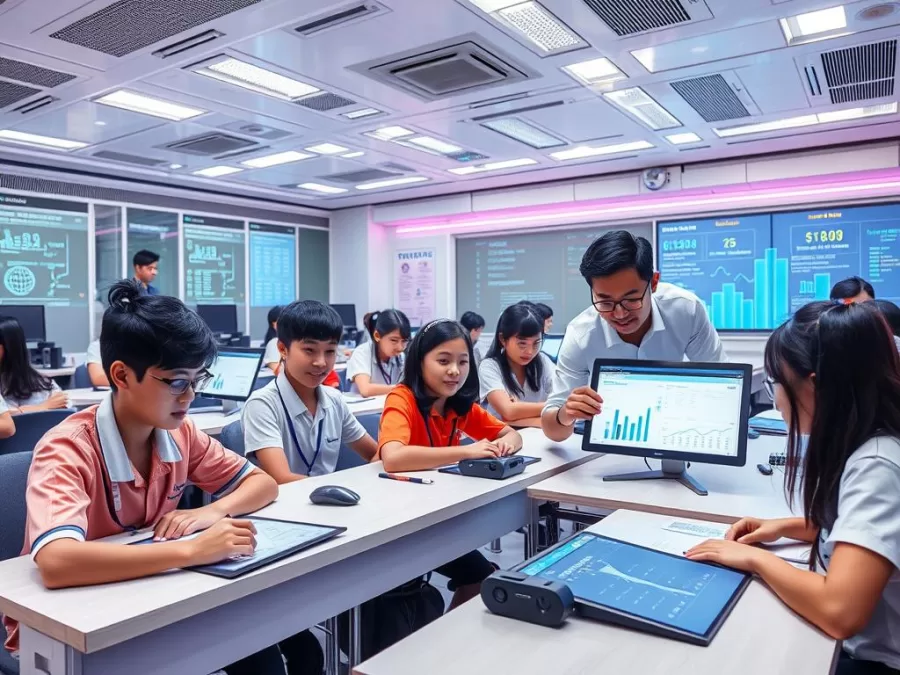
Singapore continues to exemplify educational excellence in 2025, maintaining its position near the top of global rankings through strategic vision and systematic implementation. The Singaporean approach combines rigorous academic standards with forward-thinking innovation, producing graduates who consistently excel in international assessments and the global workforce.
“Singapore’s education system succeeds because it continuously evolves while maintaining clear standards. Their ability to implement evidence-based reforms systematically sets them apart from many other nations.”
Singapore invests 3.6% of its GDP in education, with strategic allocation ensuring maximum impact. The country’s “Teach Less, Learn More” initiative has evolved by 2025 to further emphasize critical thinking, creativity, and self-directed learning while maintaining strong foundations in mathematics, science, and literacy. Singapore consistently ranks at or near the top in PISA assessments across all measured domains.
By 2025, Singapore has fully implemented its “Education for Life” framework, which emphasizes lifelong learning capabilities and future-ready skills. The country’s SkillsFuture initiative has expanded to create seamless pathways between education and employment, with enhanced micro-credential systems recognizing continuous learning.
Singaporean universities, including the National University of Singapore and Nanyang Technological University, have strengthened their global positions through research excellence and industry partnerships. The country’s education system particularly excels in preparing students for STEM fields, with specialized schools and programs nurturing talent from an early age.
1. Finland: Student-Centered Mastery and Wellbeing
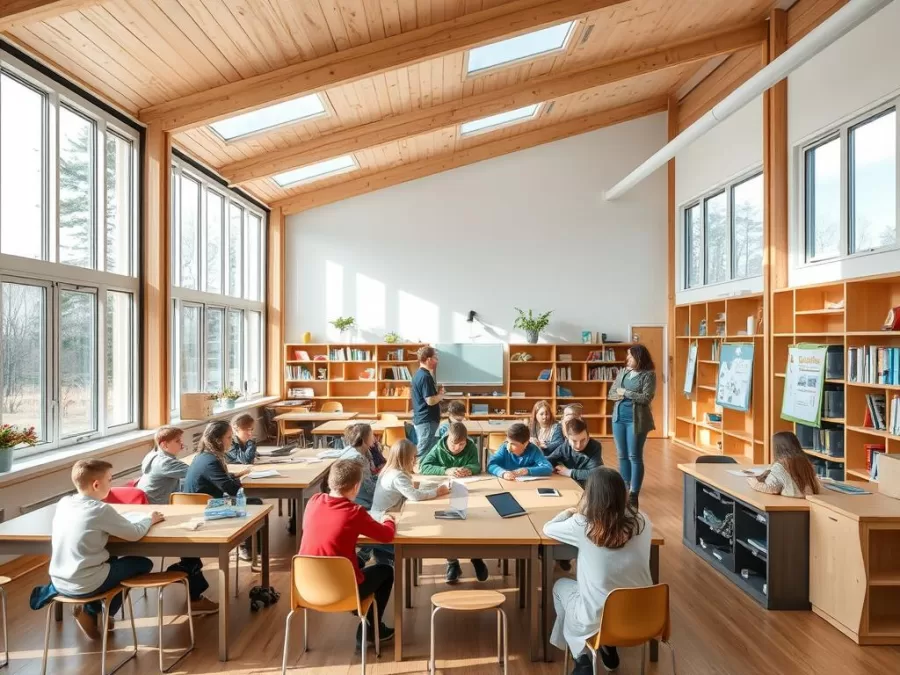
Finland retains its crown as the world’s leading education system in 2025, continuing to demonstrate that a holistic, student-centered approach delivers exceptional results without excessive testing or pressure. The Finnish model prioritizes student wellbeing alongside academic achievement, creating an environment where learning thrives naturally.
Finland’s Education System: Key Facts
Education Investment: 6.9% of GDP
Teacher Requirements: Master’s degree with rigorous selection (only 10% of applicants accepted)
School Hours: Among the shortest in developed nations (5-6 hours daily)
Homework: Minimal (average 30 minutes daily)
Standardized Testing: One exam at age 16
Student-Teacher Ratio: 1:12
PISA Performance: Consistently in top 5 globally
Finland’s approach stands in stark contrast to high-pressure systems, demonstrating that less can indeed be more when it comes to education. By 2025, Finland has further refined its phenomenon-based learning approach, where students study real-world concepts across subject boundaries rather than isolated subjects. This integrated approach develops critical thinking and problem-solving skills while maintaining student engagement.
The Finnish system places extraordinary emphasis on teacher quality, requiring all teachers to hold master’s degrees and providing continuous professional development. Teachers enjoy high social status and professional autonomy, allowing them to adapt their approaches to student needs rather than teaching to standardized tests.
By 2025, Finland has expanded its pioneering approaches to digital literacy education, developing models for ethical technology use that balance digital skills with human connection and outdoor learning. The country’s commitment to educational equity ensures that the gap between the highest and lowest-performing students remains the smallest among developed nations.
Methodology: How We Determined the Rankings

Our 2025 rankings of the world’s best education systems employ a comprehensive methodology drawing on multiple data sources and evaluation frameworks. This multidimensional approach ensures a balanced assessment that considers both quantitative metrics and qualitative factors.
- PISA Results (25%): Performance in the OECD’s Programme for International Student Assessment, measuring reading, mathematics, and science literacy
- Educational Attainment (15%): Secondary and tertiary graduation rates, average years of schooling
- Teacher Quality (15%): Teacher education requirements, professional development, and compensation relative to other professions
- Education Investment (10%): Public and private spending on education as percentage of GDP
- Equity Measures (10%): Gap between highest and lowest-performing students, impact of socioeconomic factors on outcomes
- Higher Education Quality (10%): University rankings, research output, and graduate employability
- Digital Readiness (5%): Technology infrastructure, digital literacy curriculum, and innovative teaching methods
- Future-Readiness (5%): Curriculum alignment with emerging skills needs, adaptability to changing workforce demands
- Student Wellbeing (5%): Student satisfaction, stress levels, and mental health support
Data sources include the OECD’s Education at a Glance 2024 report, UNESCO’s Institute for Statistics, the World Bank’s Education Statistics database, the World Economic Forum’s Global Competitiveness Report, and country-specific education ministry data. We also incorporated qualitative assessments from a panel of 45 international education experts representing diverse global regions and specializations.
It’s important to note that while these rankings provide valuable comparative insights, education systems must be understood within their unique cultural, historical, and economic contexts. What works in one country may not be directly transferable to another without appropriate adaptation.
Future Trends Shaping Global Education

As we examine the world’s leading education systems in 2025, several important trends are emerging that will likely shape the future of global education. These developments reflect both technological advancements and evolving understandings of how students learn most effectively.
Personalized Learning at Scale
AI-powered adaptive learning platforms are enabling truly personalized education tailored to individual student needs, pace, and learning styles. Leading education systems are finding the optimal balance between technology-enabled personalization and human teaching, recognizing that relationships remain fundamental to effective learning.
Holistic Skills Development
Education systems are increasingly emphasizing “whole child” approaches that develop social-emotional skills alongside academic knowledge. Top-performing countries recognize that qualities like resilience, empathy, and collaboration are as crucial for future success as traditional academic subjects.
Flexible Learning Pathways
The rigid progression through education levels is giving way to more flexible, modular approaches. Micro-credentials, competency-based advancement, and multiple entry/exit points are creating education systems that better accommodate diverse learner needs and lifelong learning.
Other significant trends include the expansion of sustainability education, with climate literacy becoming a core component of curricula worldwide; the growth of hybrid learning models that blend in-person and digital experiences; and increased emphasis on global competencies that prepare students for an interconnected world.
The most successful education systems of 2025 are those that thoughtfully integrate these innovations while maintaining their core strengths and cultural contexts. Rather than chasing every new trend, they strategically adopt approaches that align with their educational values and student needs.
Conclusion: Learning from Global Excellence
The Top 10 Countries with the Best Education Systems in 2025 demonstrate that there is no single formula for educational excellence. Finland’s student-centered approach, Singapore’s strategic vision, the UK’s blend of tradition and innovation—each system reflects unique cultural values and priorities while delivering outstanding results.
Common threads among these leading systems include substantial investment in teacher development, commitment to educational equity, thoughtful integration of technology, and curricula that balance foundational knowledge with future-ready skills. These shared elements provide valuable insights for education stakeholders worldwide.
As global challenges grow increasingly complex, education systems must continue to evolve. The countries that maintain leadership positions will be those that remain adaptable, evidence-driven, and focused on preparing students not just for exams, but for fulfilling lives and contributions to society.
Deepen Your Understanding of Global Education Excellence
Want to explore these world-class education systems in greater detail? Download our comprehensive guide “Global Education Excellence: Detailed Analysis of Top-Performing Systems” featuring in-depth case studies, exclusive expert interviews, and actionable insights for educators and policymakers.
Frequently Asked Questions
What makes Finland’s education system consistently rank at the top?
Finland’s success stems from several key factors: exceptional teacher quality (all teachers hold master’s degrees), a student-centered approach that minimizes testing pressure, strong focus on equity ensuring all schools receive equal resources, emphasis on student wellbeing alongside academic achievement, and a balanced curriculum that values arts and physical education equally with academic subjects. The Finnish system also provides comprehensive support services and early intervention for struggling students.
How do these rankings account for cultural differences in educational goals?
Our methodology acknowledges that education systems reflect cultural values and societal priorities. While we use standardized metrics like PISA scores for comparability, we also consider each system’s effectiveness in meeting its stated objectives and serving its unique population. The rankings aim to identify excellence within context rather than imposing a single definition of educational success. This is why our expert panel includes representatives from diverse global regions who can provide cultural context to quantitative data.
Can successful educational approaches be transferred between countries?
While there are valuable lessons to be learned from top-performing systems, educational approaches cannot simply be transplanted without consideration of cultural, economic, and historical contexts. Successful adaptation requires identifying underlying principles rather than copying specific practices, then thoughtfully adapting these principles to local conditions. Policy borrowing works best when it involves careful analysis of what makes an approach successful in its original context and how those conditions compare to the adopting country.
How are these education systems preparing students for jobs that don’t yet exist?
The leading education systems focus on developing transferable competencies alongside domain knowledge. These include critical thinking, problem-solving, creativity, digital literacy, collaboration, and adaptability. Rather than trying to predict specific future jobs, these systems aim to build learning capabilities that enable students to continuously acquire new skills throughout their lives. They also maintain close connections with industry to ensure awareness of emerging trends and skill requirements.
What role does education funding play in these rankings?
While adequate funding is necessary for educational excellence, our analysis shows that how money is spent matters more than absolute amounts. Some top-performing systems achieve outstanding results with moderate investment levels by strategically allocating resources to high-impact areas like teacher development. That said, all top-ranked systems invest substantially in education (generally 5-7% of GDP), reflecting a national commitment to educational quality. Funding equity—ensuring resources reach all students regardless of background—appears particularly important for system-wide excellence.

Priyanka Pandey
Senior Research Editor · Top10Sense
Priyanka specializes in tech, consumer products, and digital trends. She combines hands-on testing, vendor interviews, and database research to create trustworthy “Top 10” rankings. Her work has been referenced by industry blogs and brand report pages.