
Finding the perfect country to call home involves balancing career opportunities with quality of life. Whether you’re seeking better work-life balance, higher wages, comprehensive healthcare, or simply a change of scenery, relocating to another country can be life-changing. This guide explores the top 10 best countries to live and work based on economic stability, social benefits, immigration policies, and overall happiness.
We’ve analyzed data from the Global Peace Index, World Happiness Report, and various economic indicators to help you make an informed decision about your next international move. Each country offers unique advantages, from generous leave policies to robust healthcare systems and thriving job markets.
How We Selected the Best Countries to Live and Work
Our rankings are based on comprehensive analysis of multiple factors that contribute to both professional success and personal fulfillment:
- Work-life balance (average working hours, statutory leave)
- Economic stability and job market opportunities
- Healthcare quality and accessibility
- Safety and Global Peace Index ranking
- Minimum wage and average salary levels
- Immigration policies and visa accessibility
- Social welfare benefits and support systems
- Quality of education and family support
- Cultural inclusivity and community integration
- Overall happiness index and life satisfaction
Each country in our list excels in different areas, so your ideal destination will depend on your personal priorities, career field, and lifestyle preferences.
1. New Zealand: Perfect Work-Life Balance

New Zealand consistently ranks at the top of global life-work balance indexes, making it our #1 choice for the best country to live and work. With 32 days of statutory annual leave, a strong focus on outdoor lifestyle, and a progressive approach to workplace culture, Kiwis enjoy an enviable quality of life.
Key Industries and Job Market
New Zealand’s economy offers diverse opportunities in agriculture, tourism, film production, and technology. The country particularly excels in seasonal work and ecotourism, with Auckland and Wellington serving as major employment hubs.
Visa and Immigration
The country offers accessible pathways for skilled workers through its points-based system. The Working Holiday Visa is especially popular for young adults looking to experience New Zealand while funding their stay through employment.
Advantages
- Exceptional work-life balance
- Progressive government policies
- High minimum wage (second highest among studied countries)
- Universal healthcare system
- Ranked #1 in safety according to Global Peace Index
Challenges
- Geographic isolation
- Limited career mobility in some fields
- Housing costs in major cities
- Distance from other countries
Planning a Move to New Zealand?
Get our comprehensive guide with visa requirements, job hunting tips, and cost of living breakdowns for Auckland, Wellington, and Queenstown.
2. Ireland: Economic Opportunity with Cultural Richness
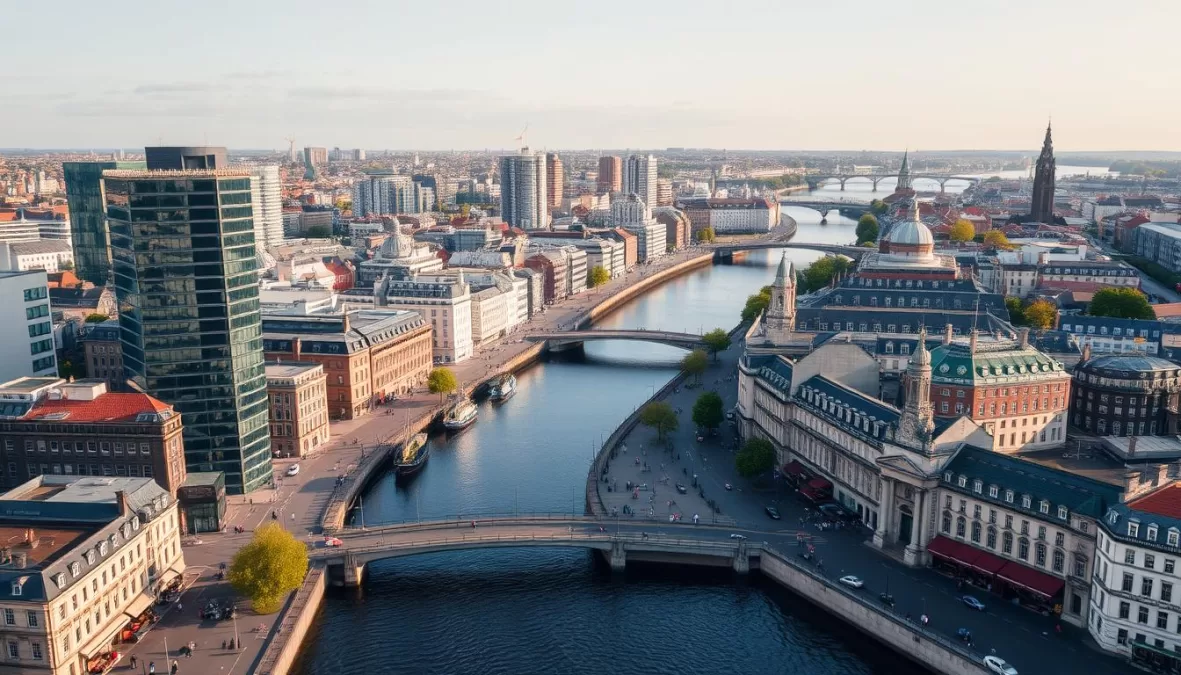
Ireland ranks second on our list of best countries to live and work, offering an impressive balance of economic opportunity and quality of life. With 30 days of statutory annual leave, a robust healthcare system, and a thriving tech sector, Ireland has become a magnet for international talent.
Key Industries and Job Market
Ireland has established itself as a European tech hub, hosting headquarters for companies like Google, Facebook, and Apple. The pharmaceutical, financial services, and agricultural sectors also offer substantial employment opportunities with competitive wages.
Cost of Living and Housing
While Dublin has relatively high housing costs, other cities like Cork, Galway, and Limerick offer more affordable options while maintaining excellent quality of life. The minimum wage of €13.96 per hour helps offset living expenses.
Cultural Integration and Community
Ireland is known for its welcoming culture and strong sense of community. English is the primary language, making it easier for international workers to integrate. The country’s rich cultural heritage, vibrant music scene, and stunning landscapes provide an excellent backdrop for a fulfilling life outside of work.
3. Belgium: Social Benefits and European Hub
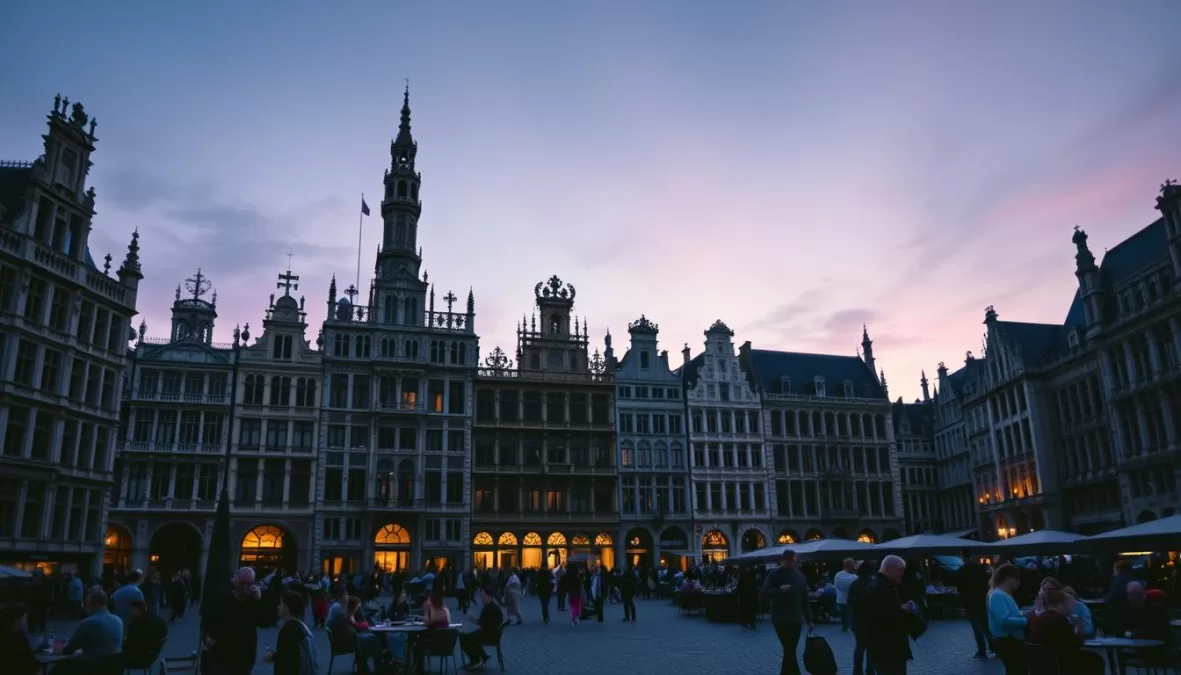
Belgium secures the third position on our list of best countries to live and work, offering an impressive combination of social benefits, central European location, and multicultural environment. With 30 days of statutory annual leave and an average working week of just 34.1 hours, Belgians enjoy substantial time for personal pursuits.
Key Industries and Job Opportunities
As home to the European Union headquarters, Belgium offers abundant opportunities in international affairs, diplomacy, and politics. The country also has strong pharmaceutical, technology, and manufacturing sectors. Brussels, Antwerp, and Ghent serve as major employment centers with diverse job markets.
Healthcare and Social Security
Belgium’s public insurance healthcare system is comprehensive and accessible, with 80-100% statutory sick pay ensuring workers are protected during illness. The country’s strong social security system includes generous parental leave policies and unemployment benefits.
Cost of Living and Wages
With a minimum wage of €14.58 per hour, Belgium offers competitive compensation. While housing in Brussels can be expensive, other cities and towns provide more affordable options. The country’s excellent public transportation system makes commuting from suburban areas convenient and cost-effective.
Cultural Highlights
Belgium’s rich cultural heritage includes world-renowned chocolate, beer, and waffles. The country’s central location makes it ideal for travel throughout Europe, with Paris, Amsterdam, and London all accessible by train in under two hours.
4. Germany: Engineering Excellence and Economic Stability

Germany ranks fourth on our list of best countries to live and work, known for its economic stability, engineering prowess, and structured approach to work-life balance. With 30 days of statutory annual leave and an average working week of 33.2 hours, Germans enjoy a healthy separation between professional and personal life.
Key Industries and Job Market
Germany excels in engineering, automotive manufacturing, pharmaceuticals, and renewable energy. Cities like Berlin, Munich, and Frankfurt offer diverse employment opportunities with competitive salaries. The country’s strong apprenticeship system provides excellent pathways for skilled trades and technical careers.
Immigration and Work Permits
Germany has streamlined its immigration process for skilled workers with the Skilled Immigration Act. The EU Blue Card program offers an accessible pathway for highly qualified professionals from outside the European Union, particularly in STEM fields where demand is high.
Advantages
- Strong economy and job security
- Excellent public transportation
- High minimum wage (€15.16/hour)
- Comprehensive healthcare system
- Strong LGBTQ+ inclusivity (81/100)
Challenges
- Language barrier (German proficiency often required)
- High tax rates
- Cultural adjustment (more formal work culture)
- Housing competition in major cities
Education and Family Support
Germany offers tuition-free university education, even for international students at public institutions. The country’s family-friendly policies include generous parental leave, kindergeld (child benefit payments), and affordable childcare options, making it an excellent choice for professionals with families.
5. Norway: Social Welfare and Natural Beauty

Norway claims the fifth position on our list of best countries to live and work, offering an exceptional combination of social welfare, economic stability, and natural beauty. With 35 days of statutory annual leave and an average working week of just 32.6 hours, Norwegians enjoy substantial time to explore their country’s stunning landscapes.
| Factor | Details | Global Ranking |
| Parental Leave | 49 weeks at 100% pay | 1st (most generous) |
| LGBTQ+ Inclusivity | 87/100 score | 1st among studied countries |
| Happiness Index | 7.26/10 | 3rd globally |
| Average Working Hours | 32.6 hours/week | 5th lowest |
| Global Peace Index | 1.64 (lower is better) | 6th safest |
Key Industries and Job Market
Norway’s economy is strong in energy (particularly oil, gas, and renewables), maritime industries, and technology. Oslo, Bergen, and Stavanger offer diverse employment opportunities with some of the highest average salaries in Europe. English proficiency is high, making it accessible for international professionals.
Cost of Living
While Norway has no national minimum wage, sector-specific collective agreements ensure fair compensation. The cost of living is high, particularly in Oslo, but is balanced by high salaries, excellent public services, and free education through university level.
Considering the Nordic Lifestyle?
Our Nordic Countries Comparison Guide helps you choose between Norway, Denmark, Sweden, and Finland based on your career field and lifestyle preferences.
6. Denmark: Happiness and Social Equality
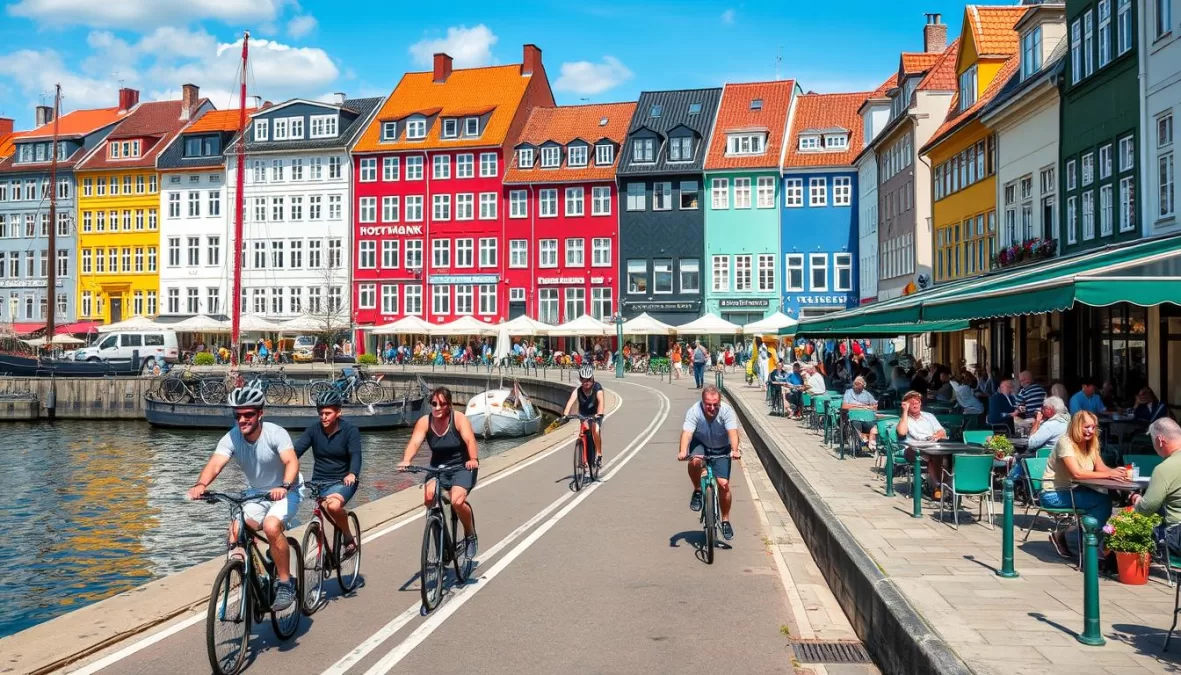
Denmark secures the sixth position on our list of best countries to live and work, renowned for consistently ranking among the world’s happiest nations. With 35 days of statutory annual leave and an average working week of just 32.5 hours, Danes enjoy a lifestyle that prioritizes personal well-being alongside professional achievement.
Key Industries and Job Market
Denmark excels in renewable energy, biotechnology, design, and agriculture. Copenhagen serves as the primary economic hub, though Aarhus and Odense also offer significant employment opportunities. The country is particularly welcoming to trainees and recent graduates looking to gain international experience.
Social Welfare and Healthcare
Denmark’s comprehensive social welfare system includes universal healthcare, generous unemployment benefits, and substantial support for families. While taxes are high, they fund services that contribute to the country’s exceptional quality of life and social equality.
Cultural Integration
Danish society values equality, trust, and work-life balance. The concept of “hygge” (cozy contentment) permeates both personal and professional spheres. While Danes may initially seem reserved, the culture is fundamentally inclusive and supportive of newcomers who respect local customs.
Cost of Living
Denmark has no national minimum wage but maintains high salary levels through collective bargaining agreements. While living costs are substantial, particularly in Copenhagen, the high quality of public services and overall standard of living provide excellent value.
7. Canada: Diversity and Healthcare Excellence

Canada ranks seventh on our list of best countries to live and work, standing out as the only North American nation in the top ten. With a universal government-funded healthcare system, strong emphasis on multiculturalism, and robust job market, Canada offers an appealing balance of economic opportunity and quality of life.
Key Industries and Job Market
Canada’s diverse economy offers opportunities in finance, natural resources, technology, and healthcare. Toronto, Vancouver, and Montreal serve as major economic hubs, while smaller cities like Calgary, Ottawa, and Halifax provide more affordable alternatives with strong job markets. Healthcare professionals are particularly in demand across the country.
Immigration Pathways
Canada offers multiple immigration programs, including the popular Express Entry system for skilled workers. The country actively recruits international talent, with pathways for both permanent residence and temporary work permits. Provincial Nominee Programs provide additional options for those willing to settle in specific regions.
Advantages
- Universal healthcare system
- Multicultural society with high tolerance
- Strong LGBTQ+ inclusivity (78/100)
- Excellent safety rating (Global Peace Index: 1.45)
- High minimum wage ($11.60 USD/hour)
Challenges
- Harsh winters in many regions
- High housing costs in major cities
- Lower statutory annual leave (17 days)
- Higher average working hours (35.2/week)
Quality of Life and Cultural Highlights
Canada consistently ranks high for quality of life, with clean cities, excellent public education, and abundant natural beauty. The country’s commitment to diversity creates welcoming communities for newcomers from all backgrounds. From the Rocky Mountains to vibrant urban centers, Canada offers diverse lifestyle options to suit various preferences.
8. Australia: Sunshine and Work Exchanges

Australia claims the eighth position on our list of best countries to live and work, offering an appealing combination of economic opportunity, natural beauty, and laid-back lifestyle. With 30 days of statutory annual leave and an average working week of 32.29 hours, Australians enjoy substantial time for the country’s famous outdoor pursuits.
Key Industries and Job Market
Australia’s economy is strong in natural resources, agriculture, tourism, and increasingly in technology and finance. Sydney and Melbourne serve as the primary economic hubs, though Brisbane, Perth, and Adelaide also offer significant opportunities. The country is particularly welcoming to those seeking work exchange experiences and seasonal employment.
Immigration and Visas
Australia offers various visa pathways, including the popular Working Holiday visa for young adults from eligible countries. Skilled migration is possible through the points-based system, with preference given to occupations on the Skilled Occupation List. Regional visas provide additional options for those willing to settle outside major cities.
Cost of Living and Wages
Australia boasts the highest minimum wage among countries in our study at $18.12 USD per hour. While living costs can be high, particularly in Sydney and Melbourne, the strong wage floor helps ensure a good standard of living. Regional areas offer more affordable housing options while maintaining access to Australia’s natural attractions.
Healthcare and Social Security
Australia’s Medicare system provides universal healthcare coverage for citizens and permanent residents. The country also offers a robust social security system, including support for families, unemployment benefits, and retirement provisions through the superannuation system.
9. Spain: Mediterranean Lifestyle and Generous Leave

Spain secures the ninth position on our list of best countries to live and work, offering an enviable Mediterranean lifestyle with an emphasis on enjoying life outside of work. With an impressive 36 days of statutory annual leave and an average working week of 36.3 hours, Spaniards prioritize personal time and social connections.
Key Industries and Job Market
Spain’s economy is strong in tourism, agriculture, automotive manufacturing, and increasingly in technology. Madrid, Barcelona, and Valencia serve as major economic hubs, offering diverse employment opportunities. The tourism sector provides abundant seasonal work, while the growing startup scene in Barcelona attracts international tech talent.
Cost of Living and Housing
Spain offers a relatively affordable cost of living compared to other Western European nations, particularly outside the major cities. The minimum wage of €8.39 per hour is lower than some countries on our list but is balanced by lower living costs and excellent public services.
Cultural Integration and Lifestyle
Spain offers a rich cultural heritage, excellent cuisine, and a social approach to life that many expatriates find appealing. While Spanish language skills are important, particularly outside tourist areas, many international companies operate in English. The country’s excellent climate, with abundant sunshine throughout the year, contributes to the outdoor lifestyle and overall quality of life.
10. Finland: Education Excellence and Happiness

Finland completes our top 10 best countries to live and work, consistently ranking as the world’s happiest nation according to the World Happiness Report. With 36 days of statutory annual leave and an average working week of 33.8 hours, Finns enjoy a lifestyle that balances professional achievement with personal well-being.
Key Industries and Job Market
Finland excels in technology, forestry, design, and education. Helsinki serves as the primary economic hub, though Tampere and Turku also offer significant opportunities. The country is known for its innovative approach to work, with many companies embracing flexible arrangements and remote options.
Education and Family Support
Finland’s education system is world-renowned, offering excellent opportunities for families. The country provides generous parental leave, affordable childcare, and comprehensive support for families. Higher education is free for EU citizens and relatively affordable for international students.
Social Welfare and Healthcare
Finland’s universal government-funded healthcare system ensures access to quality medical care for all residents. The comprehensive social welfare system includes support for housing, unemployment, and retirement. While taxes are high, they fund services that contribute to the country’s exceptional quality of life.
Cultural Integration
Finnish society values honesty, reliability, and personal space. While Finns may initially seem reserved, the culture is fundamentally egalitarian and respectful. English proficiency is high, particularly in professional settings and among younger generations, making integration easier for international workers.
Key Considerations Before Relocating

Professional Factors
- Job market for your specific skills and experience
- Career advancement opportunities
- Industry growth and stability
- Remote work policies and digital infrastructure
- Professional licensing and qualification recognition
Personal Factors
- Language barriers and cultural adaptation
- Climate preferences and seasonal considerations
- Proximity to family and ease of travel home
- Social integration and community building
- Recreational activities and lifestyle alignment
Practical Factors
- Visa requirements and immigration pathways
- Tax implications and financial planning
- Healthcare coverage and accessibility
- Housing availability and costs
- Education options for children if applicable
Before making a decision, consider arranging a preliminary visit to your top choices. Experiencing daily life firsthand can provide valuable insights that research alone cannot capture. Connect with expatriate communities online to gather perspectives from those who have already made the move.
Ready to Plan Your International Move?
Our comprehensive relocation planning guide includes visa checklists, budget planners, cultural adaptation tips, and country-specific resources for all top destinations.
Finding Your Ideal Country to Live and Work
The best country to live and work is ultimately a personal decision based on your unique priorities, career field, and lifestyle preferences. While New Zealand tops our overall rankings with its exceptional work-life balance and natural beauty, each country on our list offers distinct advantages that might align perfectly with your specific situation.
Consider what matters most to you—whether it’s generous leave policies, strong healthcare systems, career advancement opportunities, or cultural factors—and use this guide as a starting point for your research. Remember that successful relocation requires thorough planning, cultural openness, and realistic expectations.
Whichever destination you choose, embracing the opportunity to live and work in another country can be one of life’s most rewarding experiences, offering new perspectives, professional growth, and unforgettable memories.
Frequently Asked Questions About Living and Working Abroad
How long does it typically take to secure a work visa?
Processing times vary significantly by country and visa type. For example, New Zealand work visas can be processed in as little as 2-3 weeks, while Canadian permanent residence applications may take 6-12 months. Employer-sponsored visas generally process faster than independent skilled migration applications. Always check the latest processing times on official government immigration websites.
Will my professional qualifications be recognized abroad?
Recognition varies by profession and country. Regulated professions (healthcare, law, engineering) typically require local certification or registration. Countries like Australia, Canada, and New Zealand have established processes for assessing foreign qualifications. The EU has mutual recognition agreements for many professions among member states. Research your specific field’s requirements in your target country before relocating.
How can I find housing before arriving in a new country?
Many expatriates arrange temporary accommodation (1-4 weeks) before arrival, then secure long-term housing after exploring neighborhoods in person. Online platforms like Airbnb, local real estate websites, and expatriate forums can help with initial research. Consider engaging a local real estate agent who specializes in helping international clients. Some employers also offer relocation assistance with housing.
What are the tax implications of working abroad?
Tax situations for expatriates can be complex. Many countries have tax treaties to prevent double taxation, but you may still need to file returns in both your home and host countries. Some nations offer special tax status for temporary residents. Consider consulting with an international tax specialist before relocating to understand your obligations and potential strategies for tax efficiency.

Priyanka Pandey
Senior Research Editor · Top10Sense
Priyanka specializes in tech, consumer products, and digital trends. She combines hands-on testing, vendor interviews, and database research to create trustworthy “Top 10” rankings. Her work has been referenced by industry blogs and brand report pages.