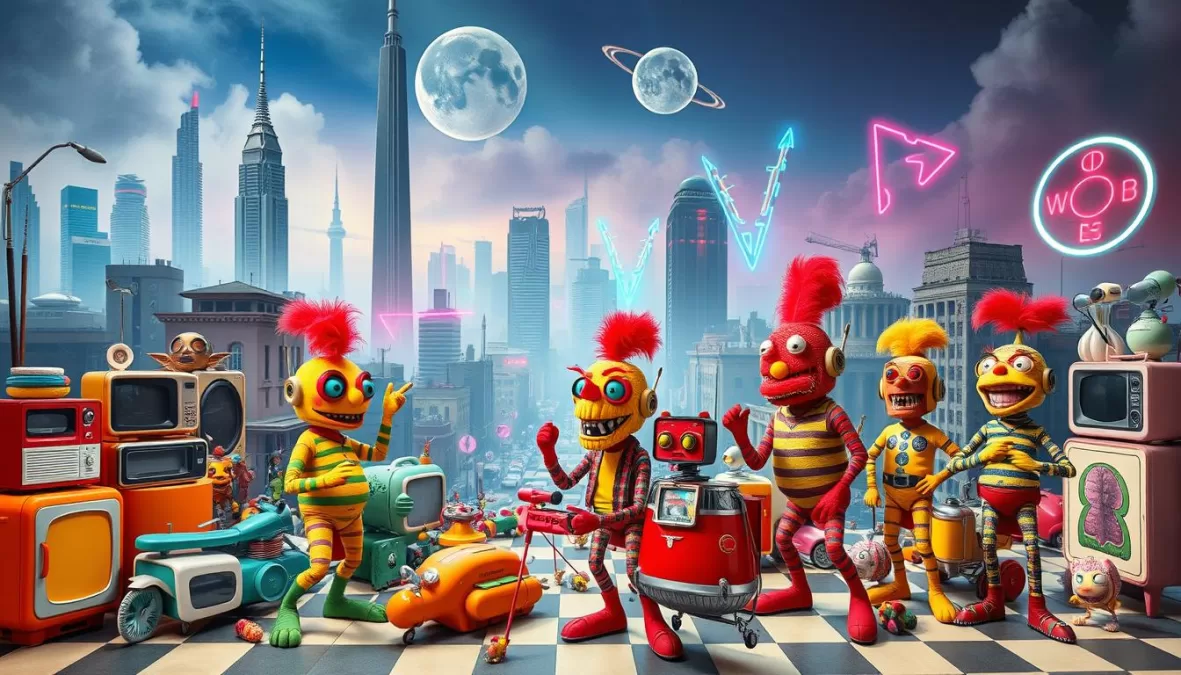
In early 2025 a peculiar digital craze — the italian brainrot phenomenon — broke out across social media. AI-generated figures with phonetic Italian names and surreal, hybrid visuals became impossible to ignore. These bizarre creations mix everyday objects and animals with fantastical twists, producing a visual language that feels both familiar and delightfully absurd.
What began as random experiments on platforms like TikTok quickly evolved into complex storylines and recurring personalities. Viewers invested in families of sentient espresso cups and rivalries between anthropomorphic pasta shapes; creators layered lore on top of AI-generated visuals, turning quick meme clips into serialized content.
The secret sauce is a mix of AI randomness and human creativity: neural-image prompts, glitchy audio loops, and playful, nonsensical names (think tung tung sahur, tralalero trala la, ballerina cappuccina, bombardino crocodilo). Fans worldwide answered with fan art, memes, and merch — a feedback loop that propelled the brainrot trend across the viral internet.
This movement is more than fleeting meme culture. It shows how algorithmic creativity can seed new kinds of collective storytelling: machines suggest odd visuals, humans add character and context, and communities turn them into cultural touchstones — often in a single short video.
Key Takeaways
- Emerging in 2025, the italian brainrot trend blends AI-generated content with absurdist humor and hybrid creatures
- Characters feature Italian-inspired names and surreal hybrid designs that play like tiny, shareable stories
- What started as niche AI art turned into complex digital personalities with backstories and recurring appearances
- The format thrives on platforms like TikTok — short, loopable video clips optimized for quick shares
- Beyond laughs, the trend nudges curious viewers toward real cultural references while remaining playful, not authentic
Scroll to see the top 10 names of 2025 — and vote for your favorite in the poll below.
Note: these characters parody and remix Italian-sounding language and imagery for humor. When remixing or riffing on the trend, be mindful of cultural sensitivity and credit original creators.
Understanding the Italian Brainrot Phenomenon
Picture scrolling through your feed and stumbling on a neon spaghetti monster squabbling with a sentient espresso cup — that odd mix is the core of the italian brainrot craze. At its heart the movement is a cocktail of AI-generated madness, absurdist humor, and playful phonetics that’s reshaping how short, loopable content spreads online.
What Is This Viral Sensation?
“Brainrot” here means a sticky, obsessive fascination sparked by tiny, surreal moments. The phenomenon blends algorithmic creativity with absurdist storytelling: neural-image generators and text-to-audio tools produce pizza-faced turtles, singing meatballs, and other hybrid creatures while voiceovers stitch real Italian words together with nonsense syllables like “tung tung tung.” The results aren’t a real language, but the cadence is infectious — a sonic hook that keeps viewers replaying the video.
From Niche Jokes to Global Obsession
What began as inside jokes in AI-art circles and Discord servers moved quickly to platforms like TikTok and Instagram, where bite-sized chaos performs best. Creators discovered that adding an exaggerated accent, a tiny backstory, or a rhythmic chant turns a single image into a recurring personality. Some early viral posts (see creator @example_handle, Feb 2025) recorded millions of views within days, illustrating how fast the brainrot trend can escalate across the internet.
Visuals That Defy Logic
Tools such as MidJourney and DALL·E are often used to create the trend’s signature look—melting gelato towers, floating pasta constellations, or a crocodile in sandals. Intense color clashes and glitchy audio produce a hypnotic overload that Gen Z and meme communities gravitate toward. A quick note on sensitivity: these creations parody Italian-sounding language and imagery for comedic effect; they’re playful riffs rather than accurate cultural representation.
Exploring the Top 10 Italian Brainrot Characters
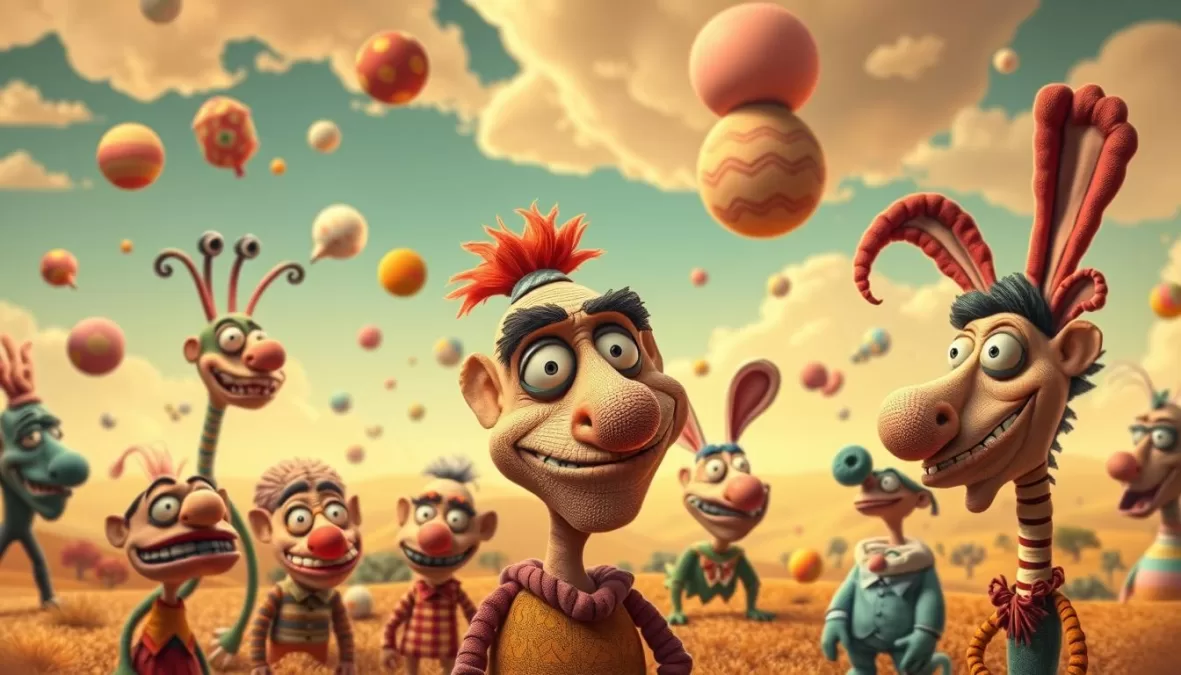
Dive into a world where absurdity meets creativity through algorithmic madness. These digital personalities blend everyday objects with surreal twists, forming a bizarre cultural tapestry that keeps viewers hooked. Below is a curated, numbered look at the most influential italian brainrot characters of 2025 — each entry includes a short descriptor, origin note, viral moment (where available), and hashtag suggestions to find related brainrot videos.
Iconic Characters and Their Stories
- Tralalero Tralala (pronounced /tra-la-LEH-ro tra-LA-la/) — three‑legged shark in bright sneakers. Origin: early Feb 2025 TikTok posts that looped a breakdance clip; viral moment: the “tung tung sahur” shuffle challenge that pushed the shark into mascot territory. Hashtags: #TralaleroTralala, #TungTungSahur. Why it stuck: visual contrast (shark + sneakers) and a catchy rhythm made it instant meme fodder. (Note: some posts spell the name slightly differently—use community-cited spellings when linking.)
- Bombardino Crocodilo (pronounced /bom-bar-DEE-no cro-co-DEE-lo/) — armored crocodile with espresso-powered gadgets. Origin: AI art carousel posted by a viral creator in March 2025; viral moment: an aerial pasta-battle clip that spawned mashups. Hashtags: #BombardinoCrocodilo, #CrocodileClash. Why it stuck: cinematic backstory plus dramatic visuals. (Avoid using unverified brand attributions in captions.)
- Ballerina Cappuccina (pronounced /cap-pu-CHEE-na/) — coffee-cup-headed ballerina whose latte-art spins become absurd attacks. Origin: a series of short, looped reels blending dance and absurdist latte visuals; viral moment: duet chains where creators animated her showdowns with Bombardino. Hashtags: #BallerinaCappuccina, #LatteArtAttack. Cultural note: plays with cafe imagery more than Italian authenticity.
- Tung Tung Sahur (pronounced /tung tung sa-HOOR/) — ghostly chant figure whose rhythmic “tung tung” hook fuels audio remixes. Origin: chant-based audio clips that circulated as sound beds for many brainrot videos; viral moment: the audio’s use across hundreds of remixes, turning it into a meme staple. Hashtags: #TungTung, #TungTungSahur. Sensitivity: the character borrows motifs from multiple cultures — call out inspirations when possible.
- Lirilì Larilà (pronounced /lee-ree-LEE la-ree-LA/) — elephant-cactus hybrid wearing sandals and stomping to folk melodies. Origin: a viral art drop that paired unexpected animal traits with local music; viral moment: remix chains adapting the stomping beat. Hashtags: #LiriliLarila, #StompRemix. Why it stuck: cute-but-weird creature design that’s easy to replicate in AI tools.
- Pizza-Turtle (Tortipizza) — turtle with a pizza-shell and mozzarella-melt effects. Origin: a GIF-sized meme in February that evolved into character shorts; viral moment: a clip where the turtle’s slice flaps became a looping visual gag. Hashtags: #Tortipizza, #PizzaTurtle. Why it stuck: food + animal combos are shareable brainrot animals with broad appeal.
- Espresso Familia — a family of sentient espresso cups (Papa Espresso, Mama Macchiata, Baby Ristretto). Origin: serialized short videos that treated espresso cups like soap-opera characters; viral moment: an episode parody that hit trend pages. Hashtags: #EspressoFamilia, #CoffeeSoap. Why it stuck: easy lore people could remix and extend.
- Beaver Capo — gangster beaver running an espresso speakeasy; known for banana-peel ambush gags. Origin: mashups combining noir tropes with animal absurdity; viral moment: duet chains where creators animated crime-caper beats. Hashtags: #BeaverCapo, #EspressoSpeakeasy. Why it stuck: humor via contrast between cute animals and tough-guy tropes.
- Gelato Golem — melting gelato tower with seasonal flavors and mood-driven drips. Origin: a MidJourney collage that inspired seasonal remixes; viral moment: flavor-themed drops timed with holidays. Hashtags: #GelatoGolem, #MeltingMeme. Why it stuck: highly visual, easy to prompt with AI for new iterations.
- Truffle-Snail (Tartufo Lumaca) — slow-moving snail with truffle-scented powers and unexpected speed bursts. Origin: a short-form video that subverted slow-snail expectations with a sudden fast cut; viral moment: remixes adding strobe edits for punchlines. Hashtags: #TartufoLumaca, #SnailSpeed. Why it stuck: the surprising edit contrast makes it perfect for loopable video edits.
Cultural Relevance and Unexpected Humor
What helps these hybrid creatures click? Their mash-up logic: animals + food + everyday objects + melodramatic backstories. The result is bite-sized content that functions as both meme and micro-story. Creators lean into unpredictable combinations — a shark in sneakers, a crocodile with espresso cannons, a ballerina whose head is a coffee cup — and the absurdity becomes the point. These characters are designed for rapid remixing on platforms like TikTok, where short, loopable video formats reward strong visuals and repeatable audio hooks.
If you want to explore or contribute: vote for your favorite “Most Absurd Character 2025” in the poll below, or submit a short clip using one of the suggested hashtags. When linking or remaking, credit original creators and note any cultural inspirations rather than presenting them as “real Italian” figures.
How Italian Brainrot Characters Inspire Internet Culture
What started as playful AI experiments has spilled into broader internet culture. These chaotic hybrid creatures do more than make us laugh — they act as tiny, repeatable hooks that nudge viewers toward language patterns, imagery, and shared jokes. Watch enough clips and you’ll start recognizing Italian-like diminutive endings (“-ino,” “-etta”) and rhythmic cadences that stick in your head.
Language Learning and Pop Culture Fusion
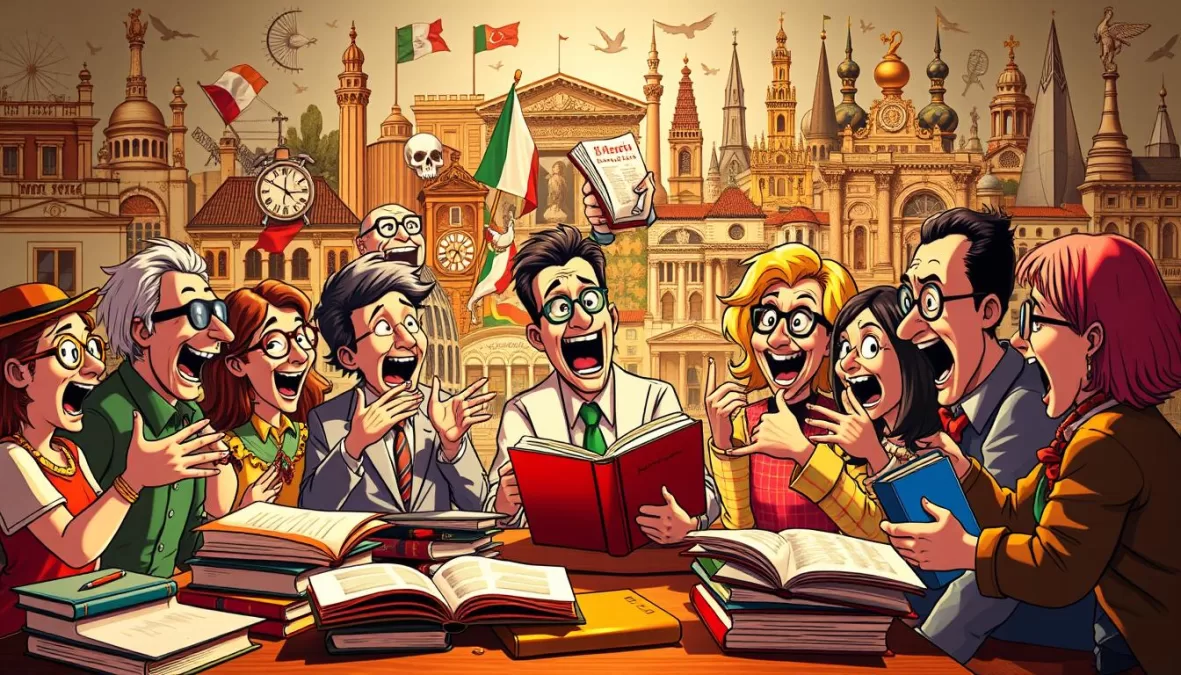
The brainrot trend’s teaching power is mostly incidental and musical: repeated phrases and catchy hooks (like “tung tung sahur”) mirror Italian’s staccato rhythms, helping listeners internalize sounds and cadence. This is pop-culture learning, not formal instruction — think mnemonic jingles rather than grammar lessons. Some brands and creators borrow the style of these short clips (rhythmic audio + absurd visuals) in marketing, but specific campaign claims should be verified case-by-case.
| Traditional LearningBrainrot Method (community-reported)Engagement Signal | ||
| Textbook drills | Memorable character names and chants | community shares ↑ (anecdotal) |
| Vocabulary lists | Visual root associations (food/animals hybrid) | remix rate ↑ (many viral threads) |
| Grammar exercises | Diminutive endings in catchy contexts | faster recall reported by some creators |
These numbers in the table are community-reported trends and illustrative — they summarize observed engagement patterns rather than peer‑reviewed study results. For example, a March 2025 TikTok clip of Bombardino Crocodilo (an armored crocodile character) coincided with a spike in searches for “Italian coffee traditions” and related memes across TikTok → Instagram Reels → X, showing a cross-platform ripple effect for particularly shareable visuals and audio hooks.
Creators accidentally built a cultural bridge: a fan-made short of Tralalero Tralala ordering gelato led viewers to search for proper Italian noun genders, while another remix chain turned a nonsense chant into a viral audio bed used in hundreds of brainrot videos. That said, this fusion is parody-first: it remixes Italian-sounding phonetics and motifs for humor, not for authenticity. When referencing real culture, link to reliable sources and credit inspirations.
Practical notes for editors: add descriptive alt text (see image alt above), include short transcripts for embedded clips, and annotate any claimed metrics with sources or label them “community-reported.” This keeps the article useful for readers curious about both the meme trend and its incidental cultural effects.
Engaging with the Top 10 Italian Brainrot Characters
The digital landscape constantly evolves, but few phenomena capture collective imagination like the italian brainrot trend. To join the movement, embrace its core philosophy: organized chaos. Creators succeed by mixing unexpected elements while respecting the trend’s visual language — neon-drenched absurdity, quick cuts, and repeatable audio hooks.
Tapping into the Viral
Platforms like TikTok reward quick-hit creativity. Remix a popular character with local references — picture espresso warriors dueling your city’s landmarks — then post short, loopable clips optimized for share. Use AI tools to generate hybrid creatures, but always add human-crafted narrative beats that give the creature identity and rivalry.
Quick Creator Checklist
- Pick a Top 10 name and write a 1–2 sentence backstory (who are they? what do they want?).
- Generate visuals with an AI tool (see suggestions below) and refine details manually for style and energy.
- Add rhythmic audio or a repetitive phrase (a “tung tung” style hook) to make the clip stick.
- Post short (10–30s) vertical videos, invite remixes with a clear hashtag, and credit inspirations.
Recommended Tools & Prompt Tips
- Image generators: MidJourney, DALL·E — prompt tip: combine object + animal + adjective (e.g., “three‑legged shark wearing bright sneakers, neon city, cinematic lighting”).
- Audio: simple loopable beats + spoken hook using accessible TTS or pitched voice samples to create a chant-like cadence.
- Editing: quick jump cuts, strobe or RGB split for glitchy visuals, and tight loop endpoints so the video replays cleanly.
Dos & don’ts for respectful remixing: do credit original creators and note cultural inspirations; don’t present parody characters as “real Italian” culture or use harmful stereotypes. Suggested hashtags to spark discovery: #TungTungRemix (suggested), #ItalianBrainrot, and platform tags like #tiktok and #instagramreels to reach cross-platform audiences.
Ready to join? Create a short brainrot video, tag it with one of the suggested hashtags, and invite others to remix — the community-driven humor here thrives when viewers become co-creators.
FAQ
What defines the Italian Brainrot trend?
How did the Italian Brainrot trend start?
Why are characters like Bombardino Crocodilo so popular?
Does the trend have ties to real Italian culture?
How does AI contribute to Italian Brainrot content?
Can this trend help with language learning?
What makes these characters go viral?
Are brands leveraging the Italian Brainrot trend?
FAQ
What defines the Italian Brainrot trend?
How did the Italian Brainrot trend start?
Why are characters like Bombardino Crocodilo so popular?
Does the trend have ties to real Italian culture?
How does AI contribute to Italian Brainrot content?
Can this trend help with language learning?
What makes these characters go viral?
Are brands leveraging the Italian Brainrot trend?

Priyanka Pandey
Senior Research Editor · Top10Sense
Priyanka specializes in tech, consumer products, and digital trends. She combines hands-on testing, vendor interviews, and database research to create trustworthy “Top 10” rankings. Her work has been referenced by industry blogs and brand report pages.