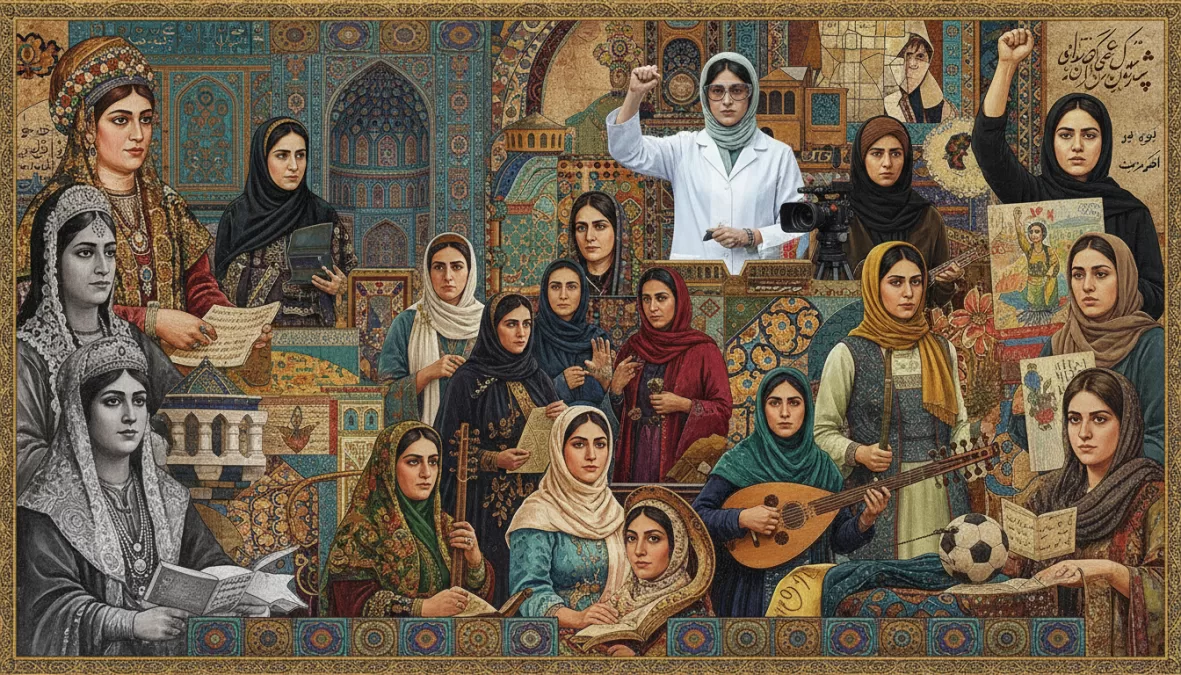
The story of beautiful women in Iranian history extends far beyond physical appearance. These remarkable individuals shaped Persian culture, challenged social norms, and left lasting legacies that continue to inspire people today. From ancient queens who ruled with wisdom to modern activists who fought for women rights, their beauty reflected strength, intelligence, and courage.
Iranian history presents a rich tapestry of extraordinary women who defied expectations. They were poets who captured the human experience in verse, photographers who documented social change, and leaders who transformed their nation. Their stories reveal how beauty standards evolved across centuries while these pioneers maintained their dignity and purpose.
This comprehensive exploration celebrates ten exceptional figures whose contributions transcended their time. Each woman left an indelible mark on Persian culture, art, and society. Their achievements demonstrate that true beauty emanates from character, accomplishment, and the courage to challenge the status quo in a changing world.
Princess Fatemeh Khanum: Redefining Beauty in the Qajar Dynasty
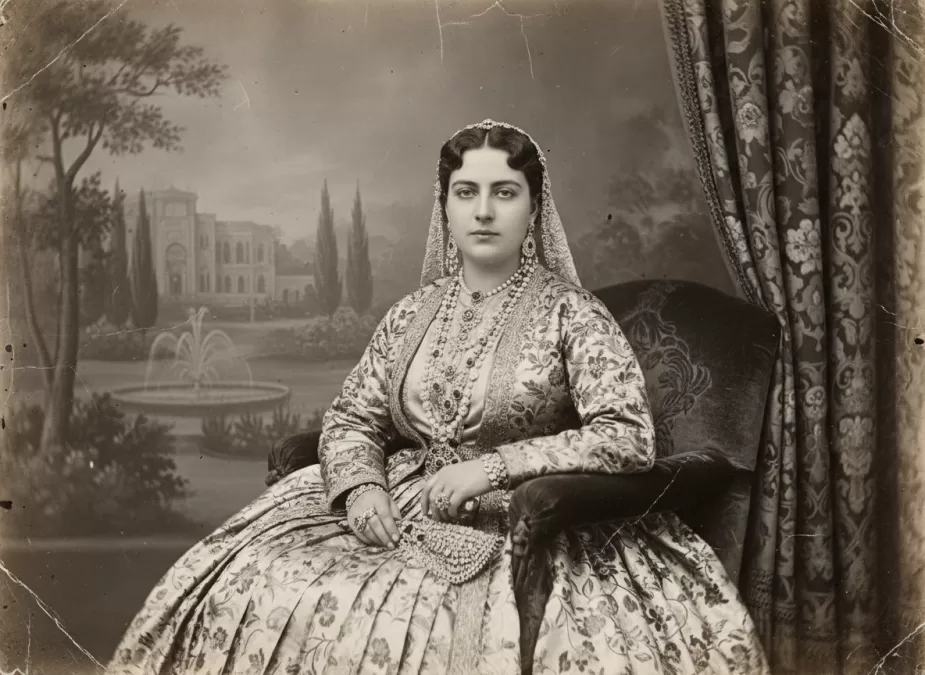
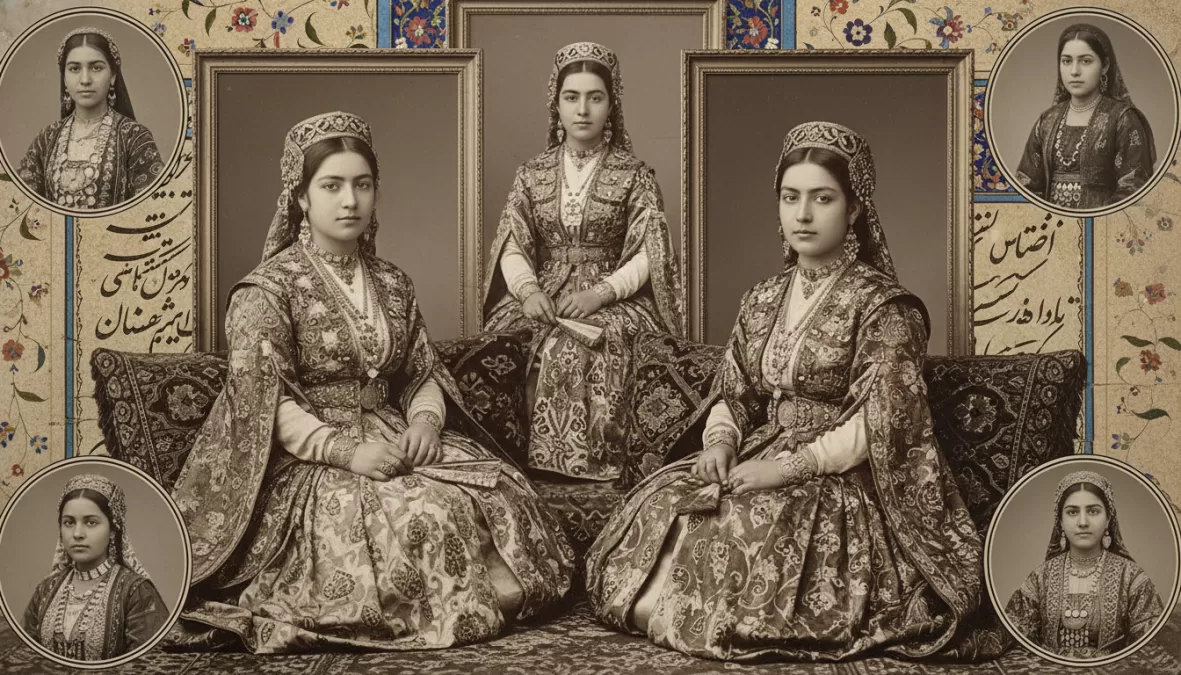
Princess Fatemeh Khanum emerged as a symbol of beauty during the Qajar dynasty in the nineteenth century. Daughter of a powerful king, she embodied the beauty standards of her time. Her portraits reveal a woman of remarkable presence and dignity.
The princess possessed features that captured the imagination of Persian society. Her appearance reflected the cultural values of the Qajar dynasty period. Artists and photographers of that era sought to capture her distinctive elegance through their work.
Beyond her physical attributes, Fatemeh Khanum represented royal authority and cultural refinement. She participated in court life and influenced fashion trends throughout the Middle East region. Her legacy demonstrates how women of the Qajar dynasty navigated complex social structures while maintaining their individual identity.
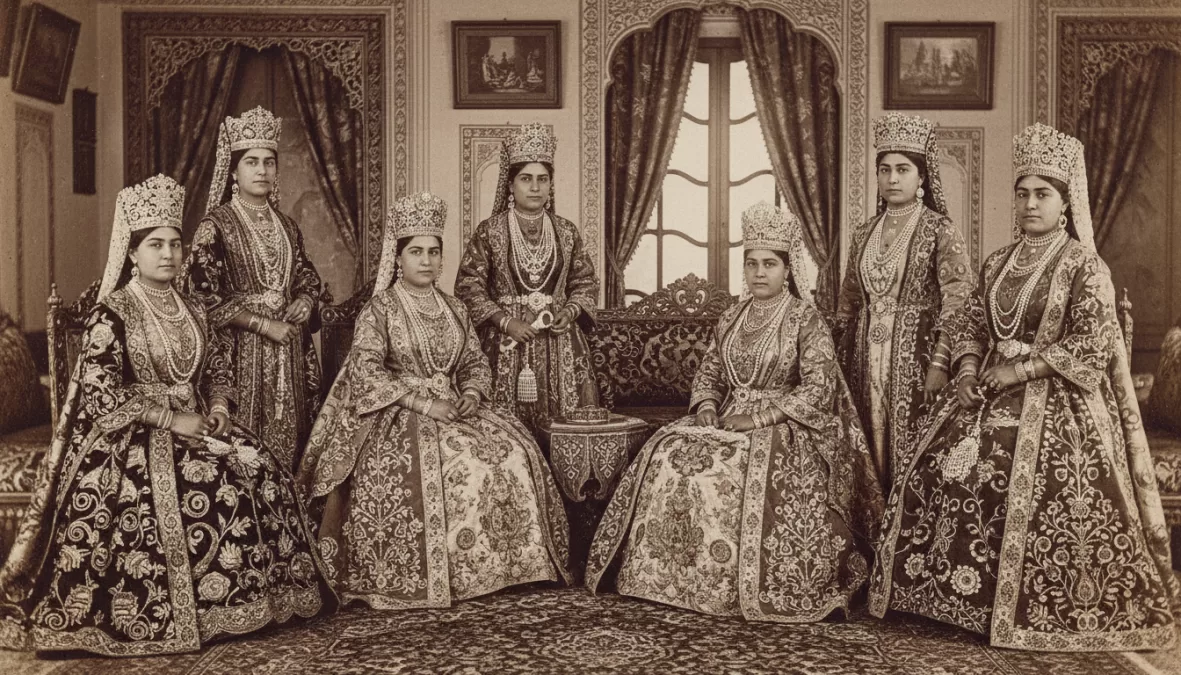
Cultural Context: During the Qajar dynasty era, beauty standards differed significantly from today. Portraits from this period showcase elaborate clothing, intricate jewelry, and formal poses that reflected royal status and cultural sophistication.
Parvin Etesami: The Poet Who Captured Persian Soul
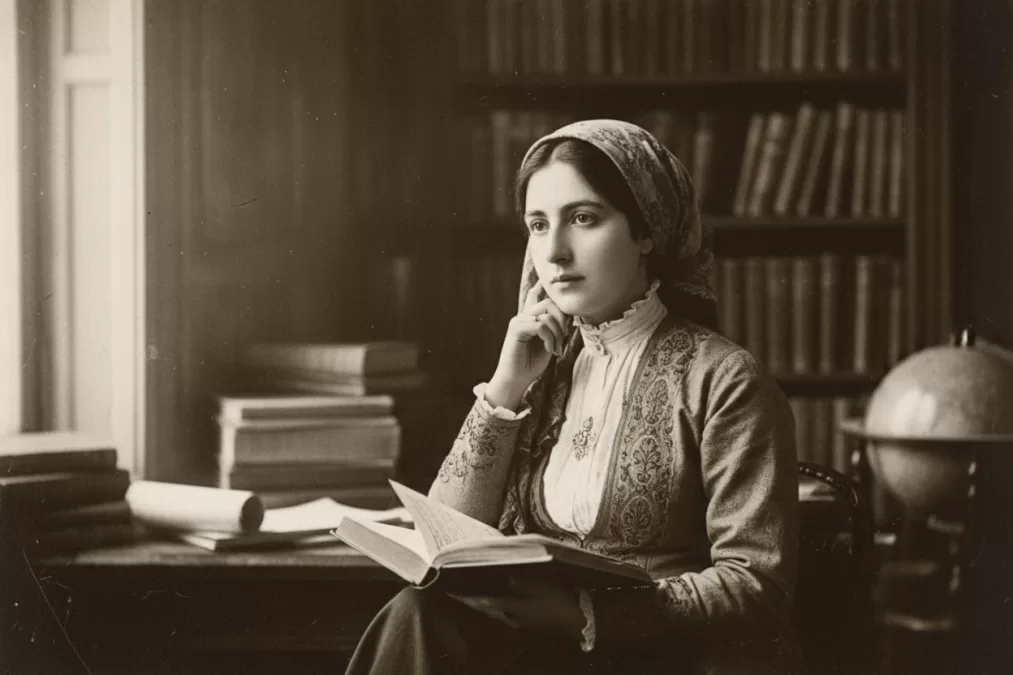
Parvin Etesami stands among the greatest Persian poets of the twentieth century. Born in 1907, this extraordinary writer transformed Persian literature through her powerful verse. Her beauty radiated through her intellect and artistic vision rather than mere physical appearance.
As a young woman, Parvin demonstrated exceptional literary talent. She studied at an American school in Tehran, gaining exposure to diverse ideas. Her education shaped her worldview and informed her poetry. She wrote extensively about social justice, women rights, and moral philosophy.
The poet created works that resonated across Persian culture and beyond. Her verses addressed inequality, hypocrisy, and social problems with remarkable clarity. She became a voice for those who lacked representation in society. Her life ended tragically early at age thirty-five, but her literary legacy endures.
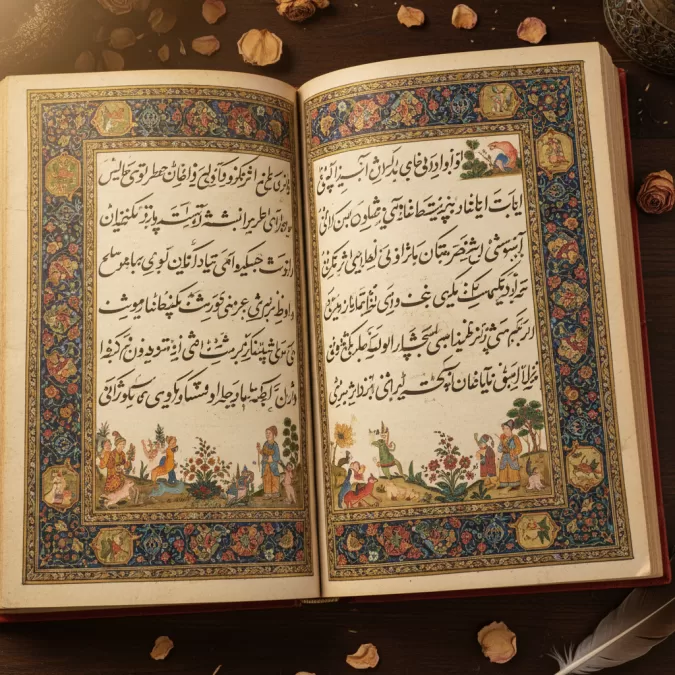
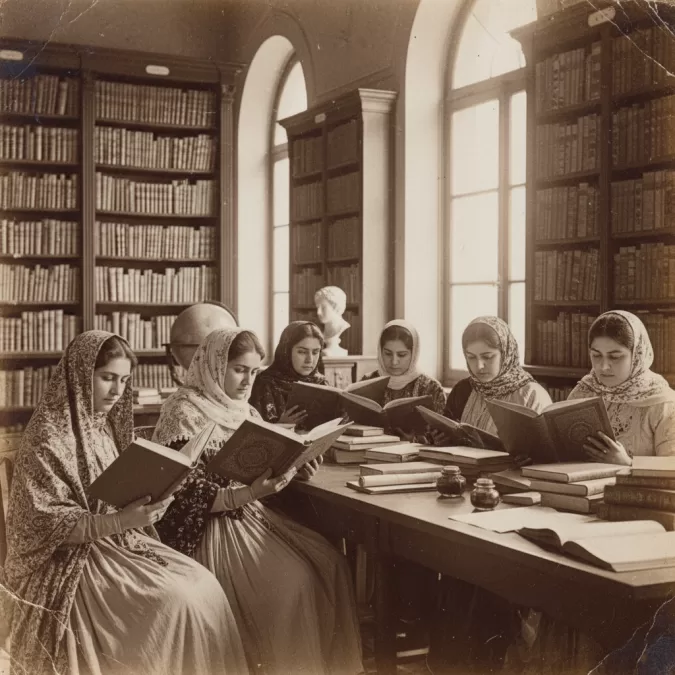
“Her words painted pictures of justice and equality, challenging the social norms of her time while celebrating the depth of Persian literary tradition.”
Forugh Farrokhzad: Revolutionary Poet and Feminist Pioneer
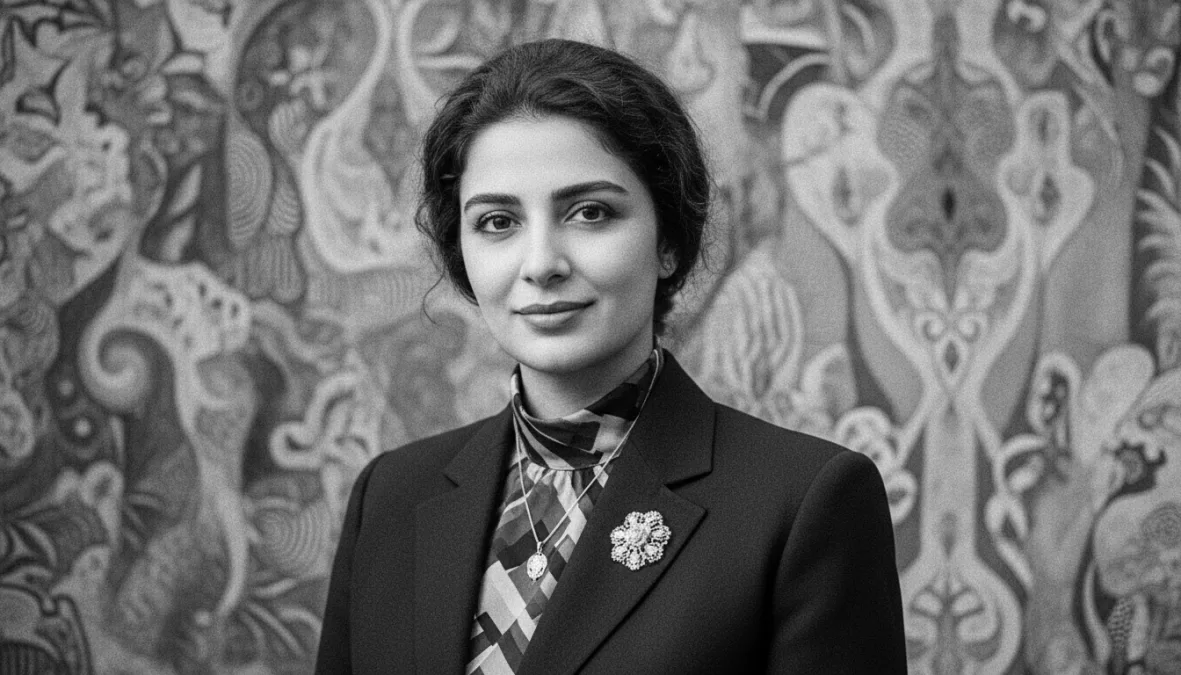
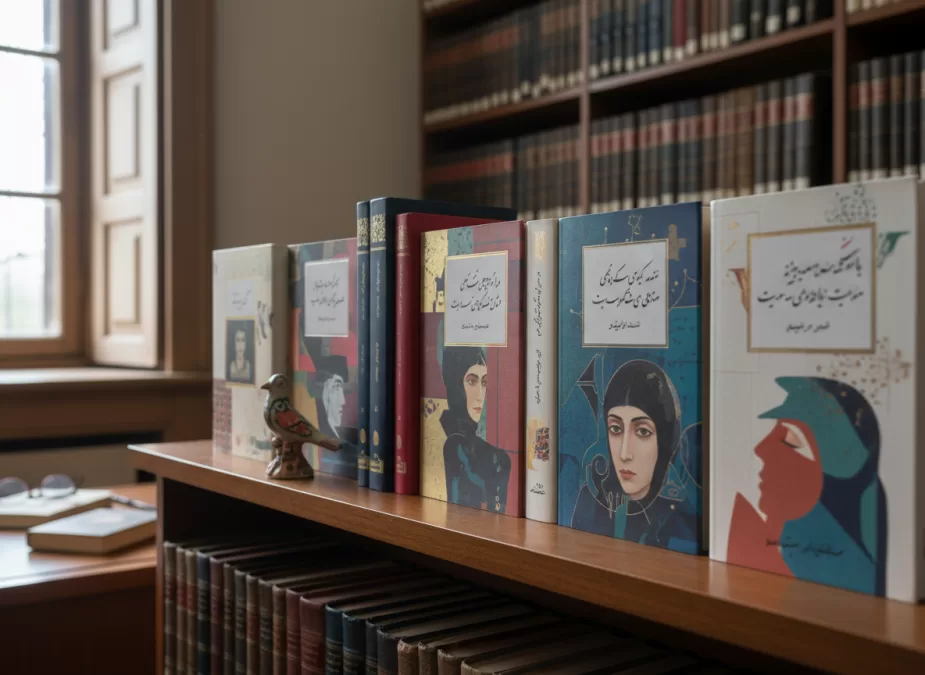
Forugh Farrokhzad revolutionized Persian poetry and challenged conservative social norms throughout her remarkable life. Born in 1935, she became one of the most influential women in Iranian history. Her beauty combined striking physical presence with fierce intellectual independence and artistic brilliance.
The poet broke taboos by writing openly about female desire, personal freedom, and emotional authenticity. Her work shocked traditional society but inspired a generation of women seeking liberation. She refused to conform to expected roles, divorcing her husband and pursuing her artistic vision without compromise.
Forugh expanded beyond poetry to become a filmmaker and activist. She directed documentaries that explored social issues affecting marginalized communities. Her film about a leper colony demonstrated her compassion and willingness to confront difficult subjects. She died in a tragic car accident at age thirty-two, cutting short a brilliant career.
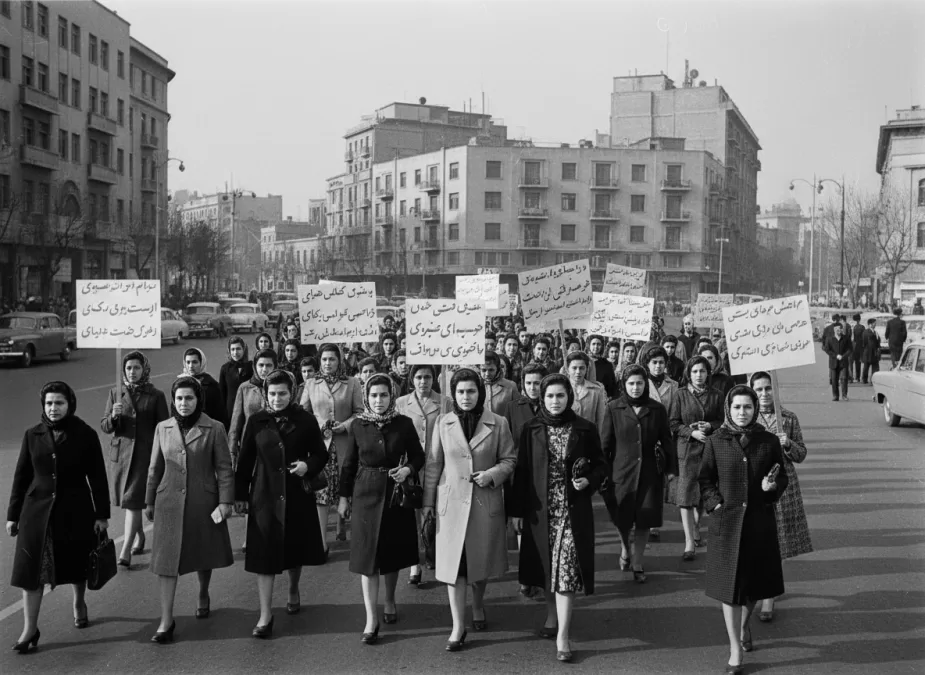
Activism
Forugh championed women rights through her art and public presence. She became a symbol of female empowerment in the Middle East region.
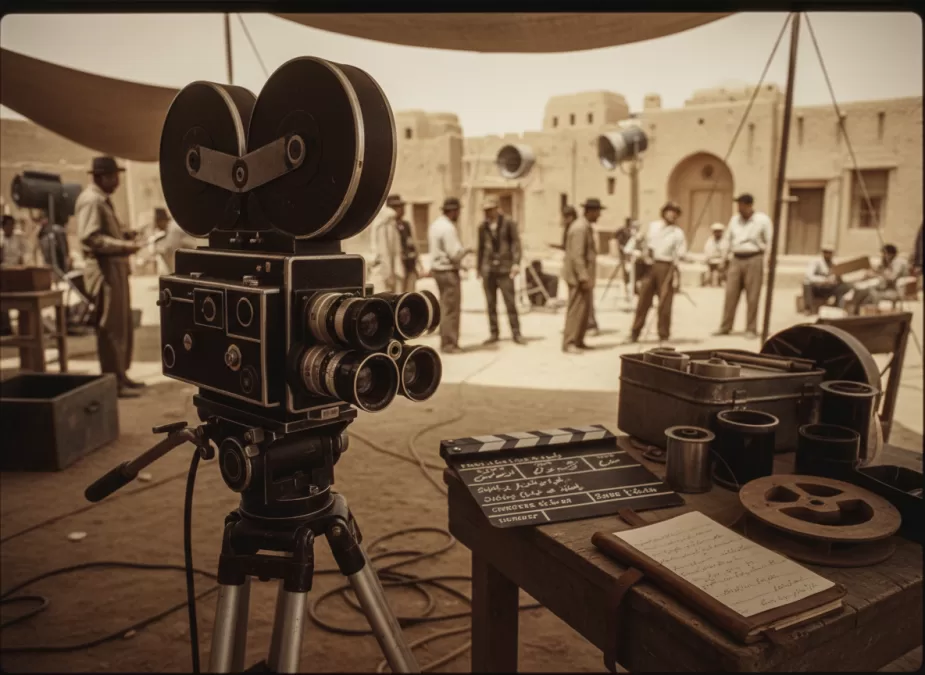
Filmmaking
She pioneered documentary filmmaking in Iran, using visual media to explore social problems and human dignity with sensitivity.
Literary Legacy
Her poetry collections remain bestsellers decades after her death, influencing writers and activists across multiple generations worldwide.
Explore More Stories of Remarkable Women
Discover additional profiles of inspiring women who transformed history, culture, and society across different civilizations and time periods.
Princess Taj al-Saltaneh: Feminist Writer and Royal Rebel
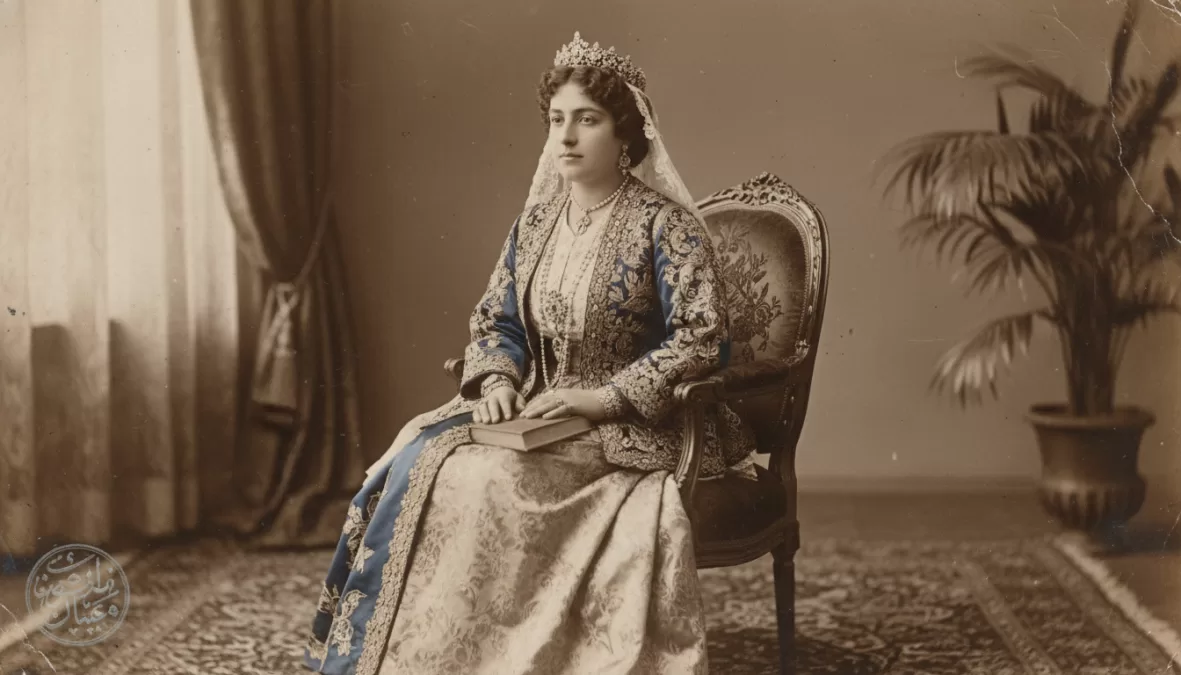
Princess Taj al-Saltaneh, daughter of Naser al-Din Shah, defied royal conventions to become an outspoken activist and writer. Born in 1883 during the Qajar dynasty, she witnessed dramatic social changes throughout her life. Her memoirs provide invaluable insights into Persian court life and women’s experiences during a transformative period.
The princess wrote extensively about the constraints facing Iranian women. She criticized the veil, polygamy, and limited educational opportunities available to women of her time. Her autobiography shocked readers with its frank discussions of royal life and personal struggles. She advocated for women’s education and social reform throughout her lifetime.
Taj al-Saltaneh participated in the Constitutional Revolution, supporting progressive political movements. She hosted intellectual gatherings where activists and thinkers discussed modernization. Her beauty combined aristocratic bearing with intellectual curiosity and revolutionary spirit. She lived to age eighty, witnessing profound transformations in Iranian society.
Revolutionary Activities
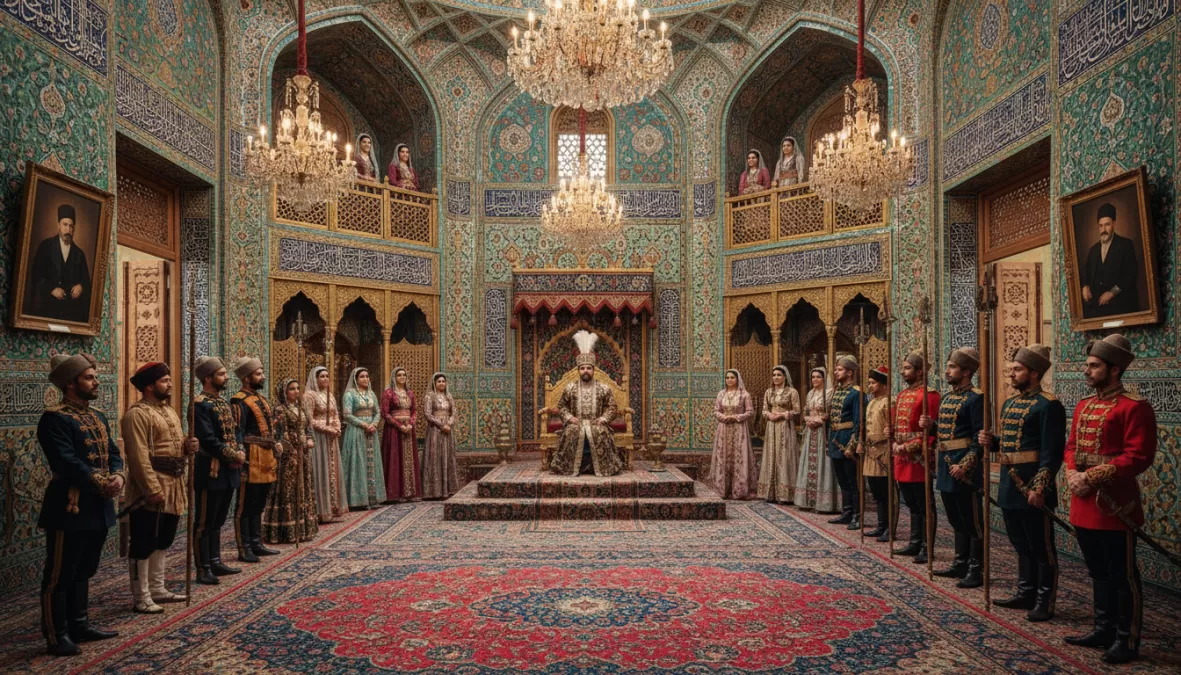
Princess Taj al-Saltaneh actively participated in the Constitutional Revolution of 1905-1911, which sought to limit royal power and establish democratic institutions. She used her influence to support progressive causes and women’s advancement.
Simin Behbahani: The Lioness of Iran
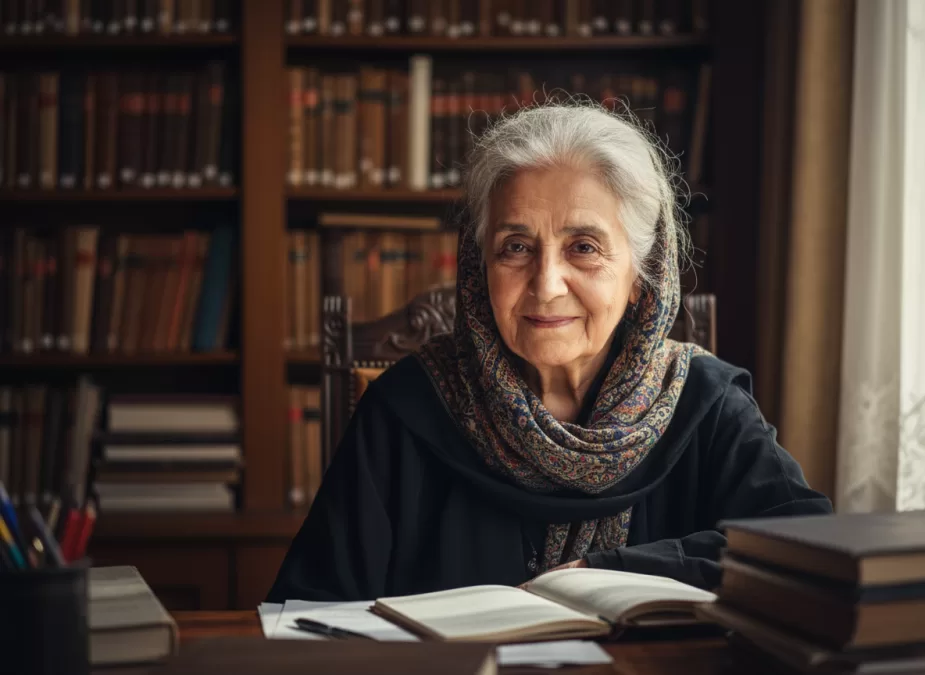
Simin Behbahani earned the title “Lioness of Iran” through six decades of powerful poetry addressing social justice and human dignity. Born in 1927, she became one of the most celebrated poets in Persian literature. Her beauty manifested through her courage, literary brilliance, and unwavering commitment to freedom.
The poet revitalized traditional Persian poetic forms while addressing contemporary issues. She wrote about love, loss, political oppression, and hope for a better future. Her verses resonated with ordinary people while earning respect from literary critics. She received numerous international awards and nominations for the Nobel Prize in Literature.
Throughout her life, Simin Behbahani advocated for women rights and human rights in Iran. She faced government harassment and travel restrictions because of her activism. Despite these challenges, she continued writing and speaking publicly until her death in 2014. Her funeral drew thousands of mourners who celebrated her extraordinary contributions.
Shirin Ebadi: Nobel Peace Prize Winner and Human Rights Champion
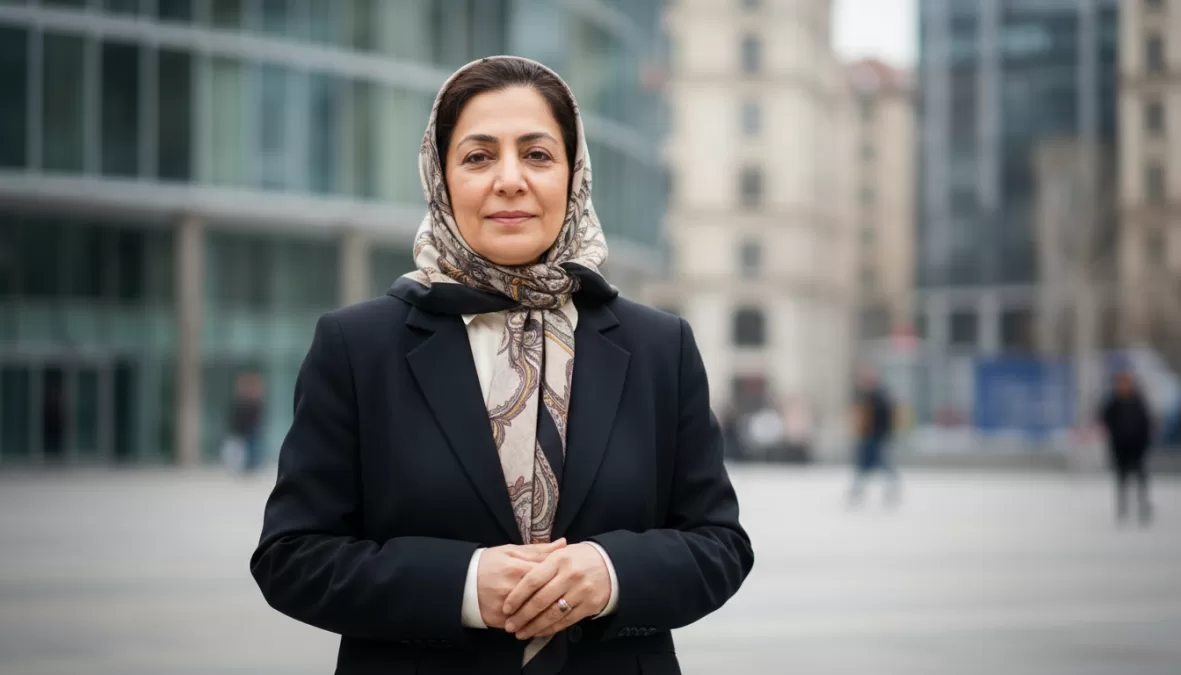
Shirin Ebadi became the first Iranian and first Muslim woman to receive the Nobel Peace Prize in 2003. Born in 1947, she trained as a lawyer and judge before the Islamic Revolution changed her professional trajectory. Her beauty shines through her dedication to justice, courage under pressure, and tireless advocacy for human rights.
After the 1979 revolution, Ebadi lost her position as a judge because women were deemed unfit for judicial roles. Rather than accept defeat, she became a lawyer defending political prisoners, women, and children. She founded the Defenders of Human Rights Center in Iran, despite facing constant government intimidation and threats.
The activist has defended numerous high-profile cases involving women rights and freedom of expression. She wrote books documenting human rights abuses and advocating for democratic reform. Her Nobel Prize brought international attention to human rights struggles in Iran. Today, she continues her work from exile, remaining a powerful voice for justice.
Legal Career Highlights
- First woman judge in Iran before the revolution
- Defended political dissidents and minority rights cases
- Founded human rights organization despite government opposition
- Represented families of murdered intellectuals and journalists
- Authored multiple books on Iranian law and human rights
International Recognition
- Nobel Peace Prize laureate in 2003
- Numerous honorary doctorates from universities worldwide
- Featured speaker at global human rights conferences
- Recipient of multiple international human rights awards
- Influential voice on women rights in the Middle East
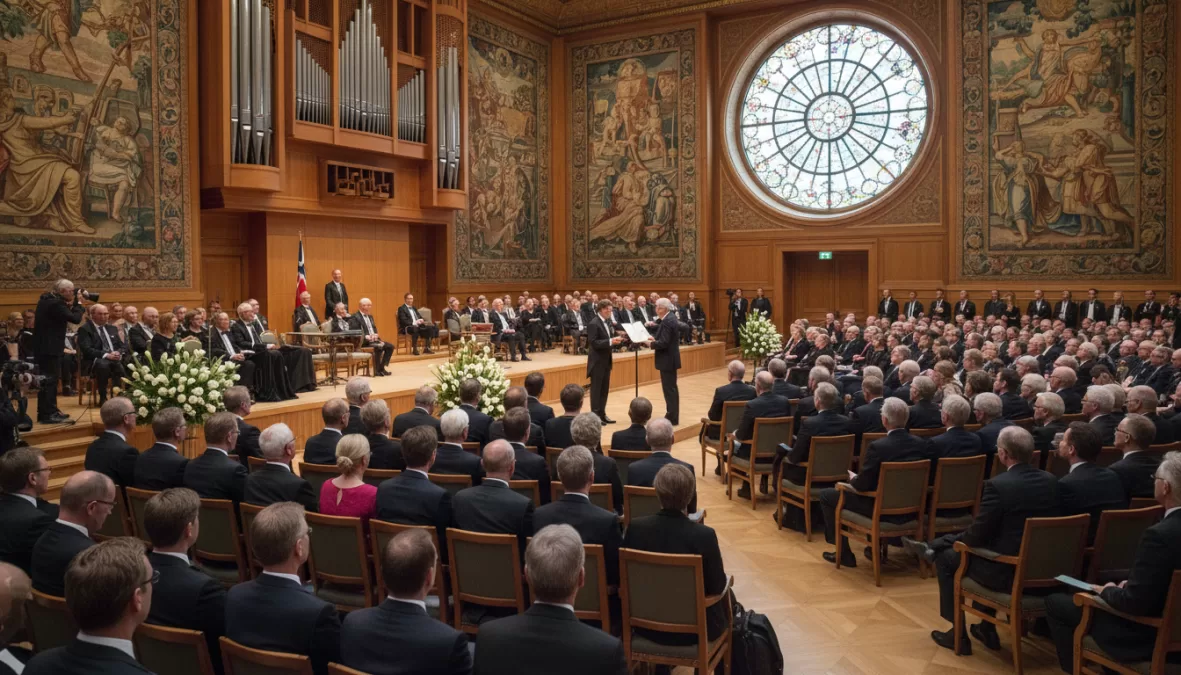
Nazanin Afshin-Jam: Beauty Queen Turned Human Rights Activist
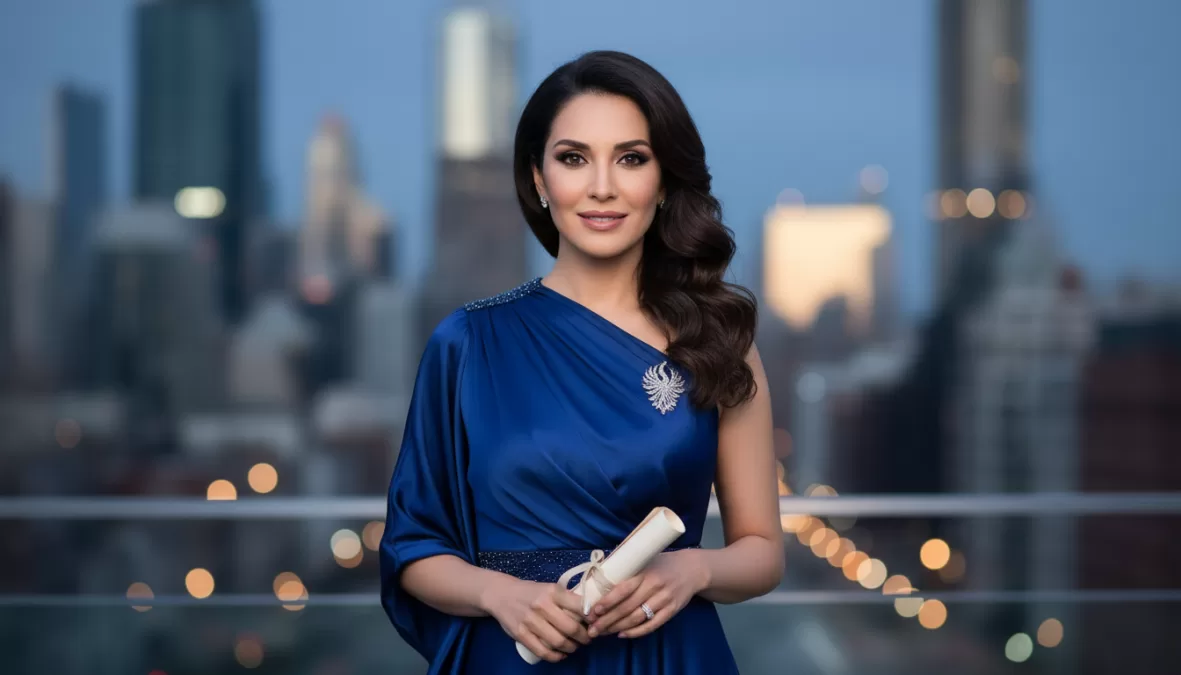
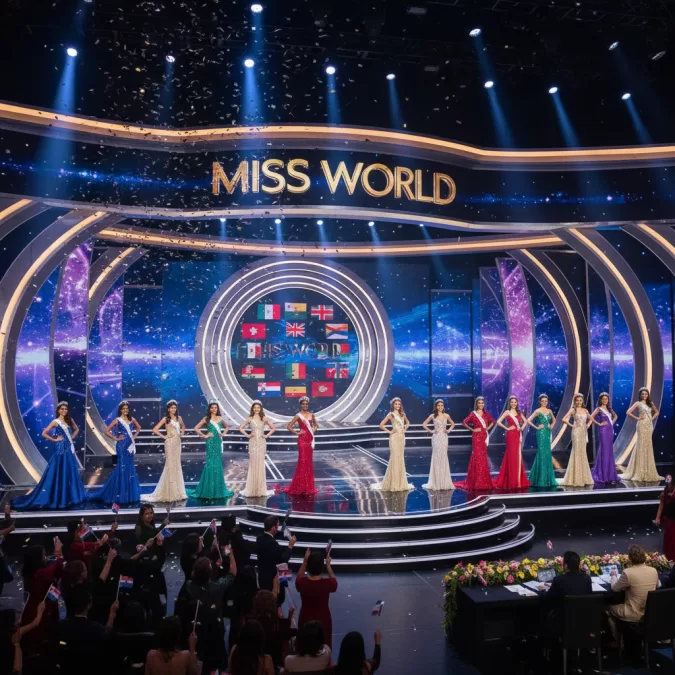
Nazanin Afshin-Jam represented a modern intersection of beauty and activism. Born in 1979 to Iranian parents, she grew up in Canada and won the Miss World Canada pageant in 2003. Rather than pursuing only entertainment, she dedicated herself to humanitarian causes and human rights advocacy.
The activist founded Stop Child Executions, an organization working to end the practice of executing juvenile offenders. She successfully campaigned for several prisoners on death row in Iran, helping save lives through international pressure. Her work demonstrates how public platforms can amplify important social causes.
Afshin-Jam later married Canadian politician Peter MacKay, becoming a member of political circles. She continued her advocacy work while raising awareness about human rights issues in Iran. Her beauty pageant background opened doors, but her commitment to justice defined her true legacy and ongoing impact today.

Marjane Satrapi: Graphic Novelist and Filmmaker
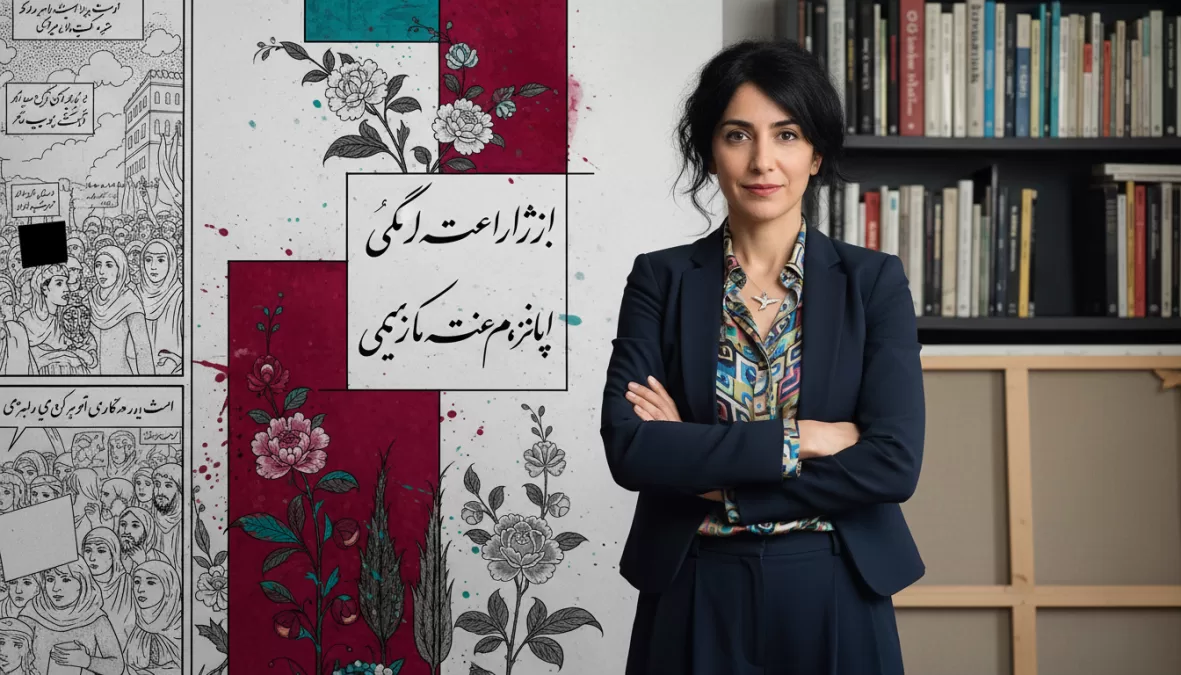
Marjane Satrapi revolutionized storytelling through her groundbreaking graphic novel “Persepolis.” Born in 1969 in Rasht, Iran, she experienced the Islamic Revolution as a child. Her autobiographical work chronicles growing up during turbulent political times, combining personal narrative with broader historical context in a visually compelling format.
The artist left Iran as a teenager to study in Europe, eventually settling in France. Her graphic novel became an international bestseller, translated into dozens of languages. She later adapted it into an animated film that received an Academy Award nomination. Her work humanized Iranian people for Western audiences while critiquing authoritarian governance.
Satrapi expanded her artistic practice to include live-action filmmaking and other creative projects. She continues speaking publicly about women rights, artistic freedom, and cultural understanding. Her beauty manifests through creative brilliance, cultural bridge-building, and the courage to share difficult personal stories with the world.
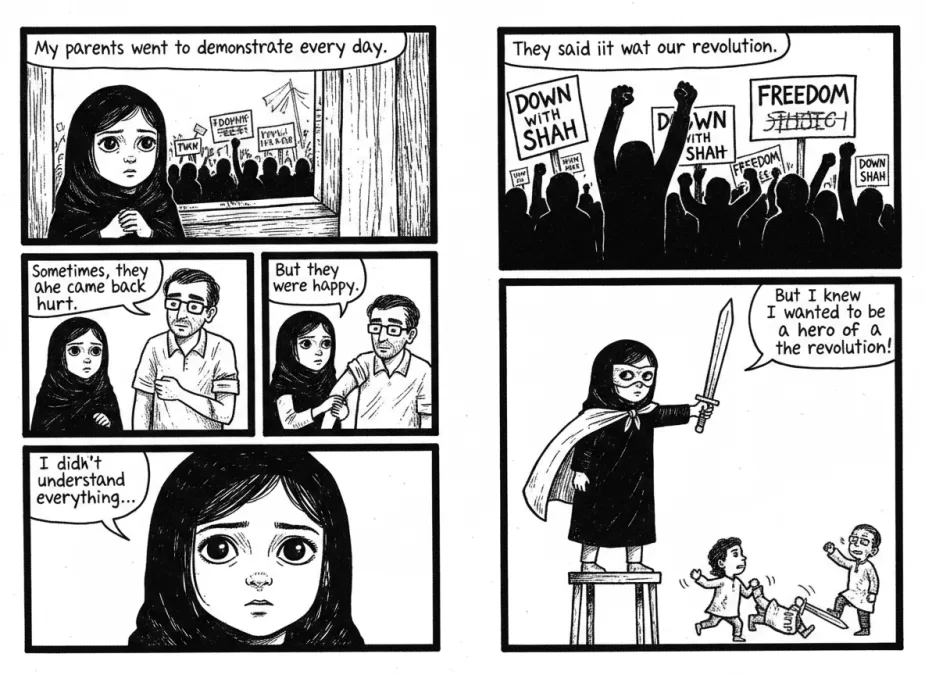
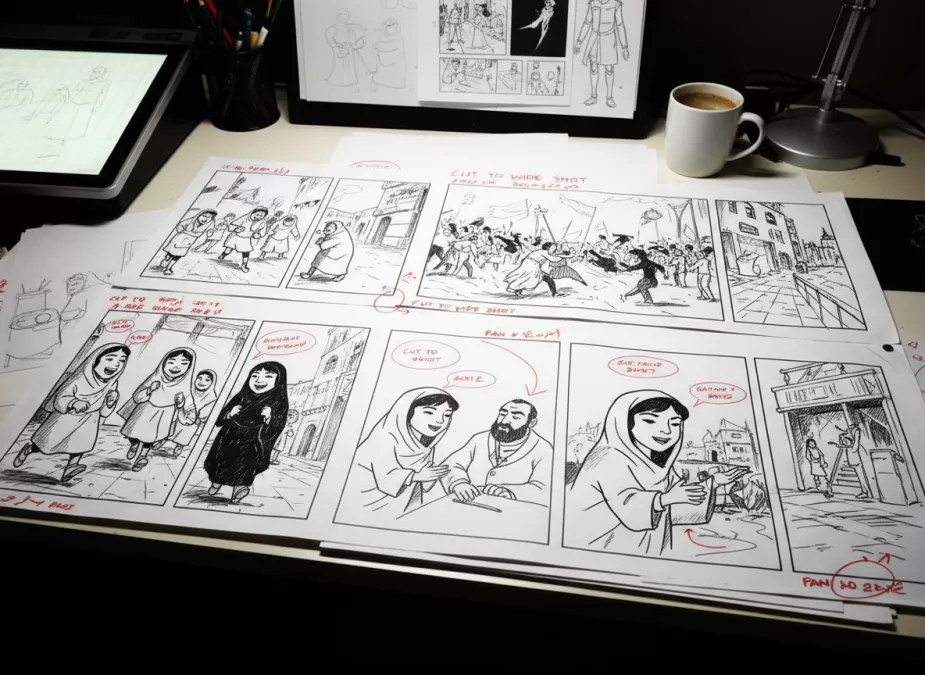
“Through simple black and white drawings, Marjane Satrapi conveyed the complexity of growing up during revolution, showing how personal stories illuminate universal human experiences.”
Googoosh: The Voice of a Generation
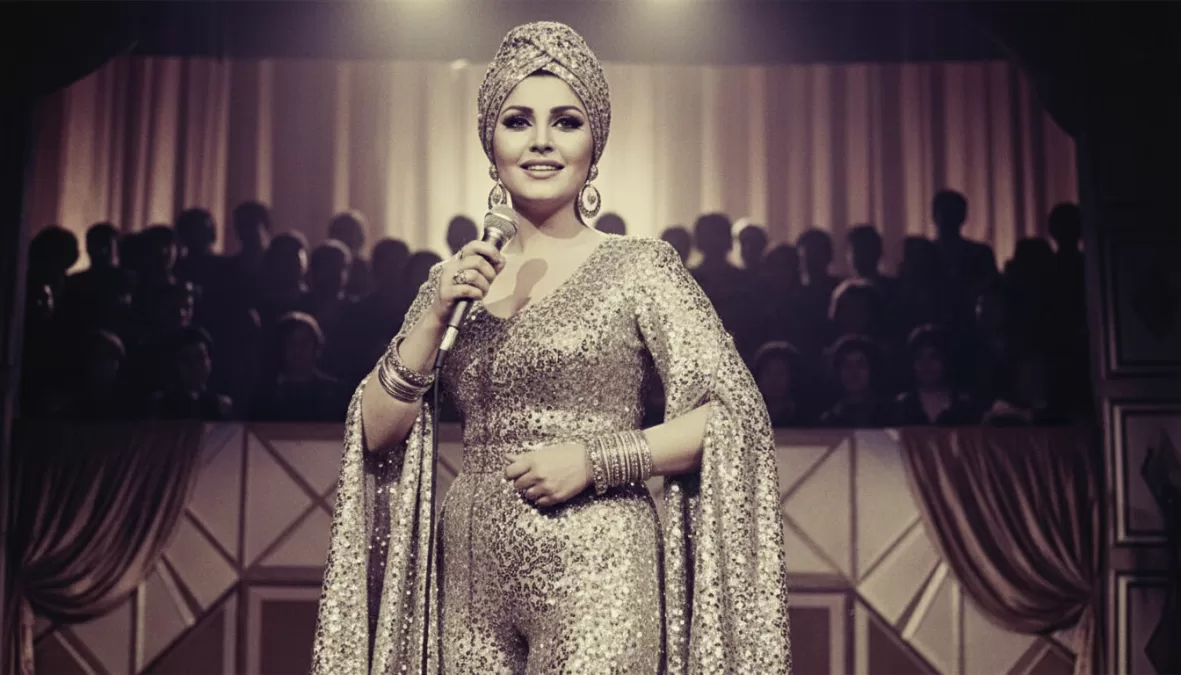
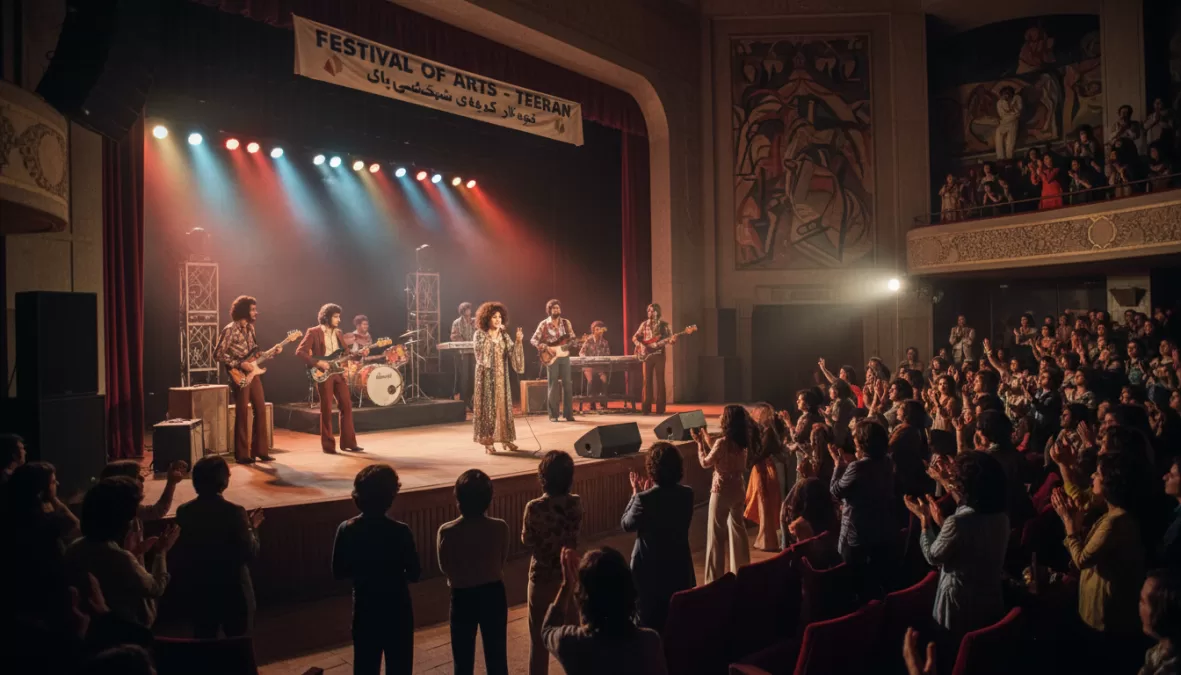
Googoosh became the most famous female singer in Iranian history, captivating audiences throughout the Middle East during the 1970s. Born Faegheh Atashin in 1950, she started performing as a child. Her voice, beauty, and stage presence made her a superstar in Persian culture and beyond. She represented modern Iranian womanhood before the revolution changed everything.
The singer’s career peaked in the years before 1979. She filled concert halls, appeared in films, and influenced fashion trends throughout the region. Her music blended Persian melodies with Western pop influences, creating a distinctive sound. Young women emulated her style while her songs became the soundtrack of a generation experiencing rapid modernization.
After the Islamic Revolution, Googoosh faced a performing ban that lasted two decades. She remained in Iran but could not perform publicly or record music. When she finally left Iran in 2000, her comeback concerts drew massive crowds of nostalgic fans. She continues performing today, representing an era of cultural openness and artistic freedom that many remember fondly.
Musical Legacy
Googoosh recorded hundreds of songs that remain beloved today. Her music bridged traditional Persian melodies and modern pop sensibilities. She collaborated with leading composers and lyricists, creating timeless works.
- Over 200 recorded songs in Persian and other languages
- Appeared in more than 25 Iranian films
- Influenced generations of Middle Eastern performers
- Continued performing after decades-long hiatus
Cultural Impact
She became a symbol of pre-revolution Iran, representing artistic freedom and women’s cultural participation. Her enforced silence highlighted restrictions on women performers. Her eventual comeback demonstrated enduring popularity.
- Fashion icon influencing style across Iran
- Symbol of cultural change and modernization
- Represented women’s public artistic presence
- Bridge between traditional and contemporary culture
Anousheh Ansari: First Female Space Tourist and Tech Entrepreneur
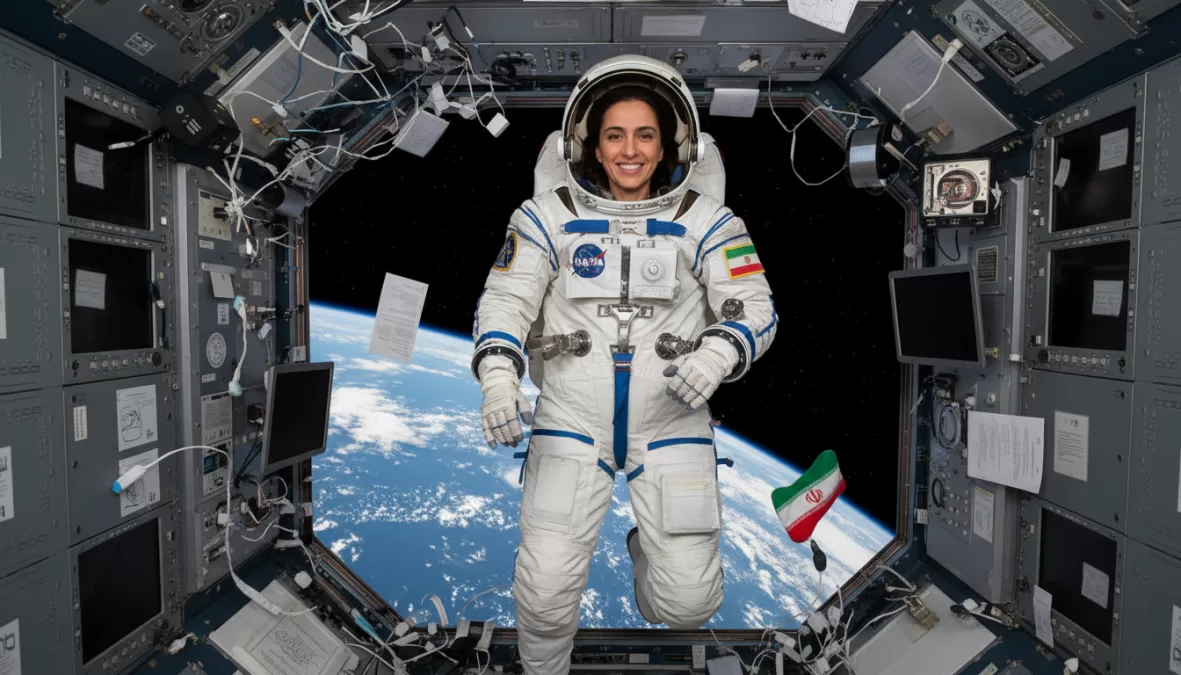
Anousheh Ansari made history in 2006 as the first Iranian woman and first female private space explorer to visit the International Space Station. Born in 1966 in Mashhad, Iran, she immigrated to the United States as a teenager. Her journey from immigrant to successful entrepreneur to space pioneer exemplifies determination, intelligence, and pioneering spirit.
The entrepreneur co-founded Telecom Technologies, a successful telecommunications company. After selling the business, she pursued her childhood dream of space travel. She invested in private spaceflight and eventually secured a seat on a Russian Soyuz spacecraft. Her eight-day mission captured global attention and inspired countless people.
Ansari continues promoting science, technology, and space exploration. She serves on various boards and foundations supporting education and innovation. Her beauty lies in her vision, courage to pursue impossible dreams, and commitment to inspiring future generations. She demonstrates how Iranian women contribute to humanity’s greatest achievements across all fields.

Space Achievement
First Iranian woman to travel to space, conducting scientific experiments and capturing the imagination of millions worldwide through her historic mission.

Business Success
Co-founded multiple successful technology companies, demonstrating business acumen and innovation in competitive telecommunications and tech industries.

Educational Advocacy
Actively promotes STEM education, particularly for women and girls, using her platform to inspire next generation of scientists and engineers globally.
Space Mission Details
During her mission to the International Space Station, Anousheh Ansari conducted experiments related to anemia and lower back pain in space. She also maintained a blog, becoming the first person to blog from space, sharing her extraordinary experience with people around the world in real time.
Evolution of Beauty Standards in Iranian History
Beauty standards in Iran transformed dramatically across centuries, reflecting broader cultural, political, and social changes. From ancient Persia through the Qajar dynasty to modern times, concepts of female beauty evolved alongside shifting values and external influences. Understanding this evolution provides context for appreciating the women featured in this article.
Historical Beauty Ideals
Ancient Persian art depicted women with specific features considered beautiful. Poetry from centuries past described ideals including dark eyes, arched eyebrows, and graceful bearing. During the Qajar dynasty, fuller figures, joined eyebrows, and facial hair were celebrated beauty features, contrasting sharply with modern Western standards.
Portraits and photographs from the nineteenth century reveal the diversity of beauty appreciated across different periods. Royal women set trends that influenced broader society. Clothing, jewelry, and hairstyles served as markers of status while expressing cultural aesthetics unique to Persian civilization.
Modern Transformations
The twentieth century brought dramatic changes to beauty perceptions in Iran. Western media and cultural exchange introduced new standards. The Pahlavi era saw adoption of Western fashion and beauty practices. After the Islamic Revolution, mandatory veiling changed how beauty could be publicly expressed and displayed.
Today, Iranian women navigate multiple beauty standards simultaneously. Social media introduces global influences while traditional values persist. Cosmetic surgery has become common, reflecting both international beauty trends and local adaptations. This complexity demonstrates ongoing cultural negotiations around appearance and identity.
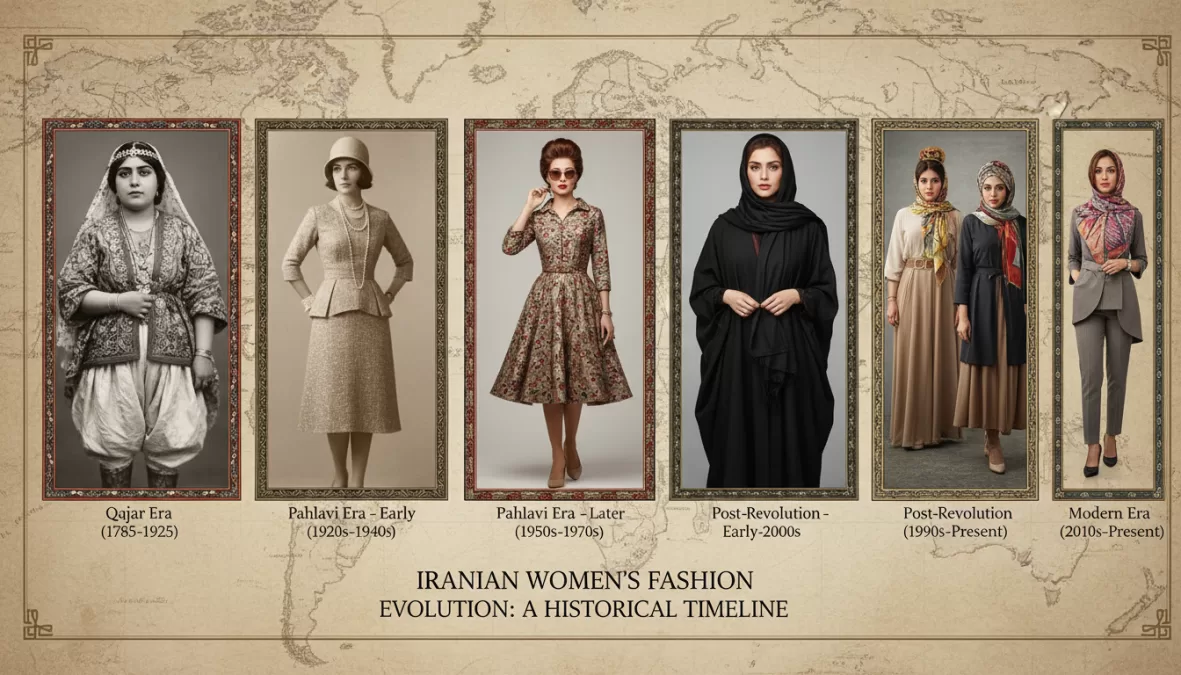
| Time Period | Beauty Standards | Cultural Context | Influential Factors |
| Ancient Persia (550-330 BCE) | Graceful bearing, elegant clothing, refined features | Royal court influence, Persian Empire prestige | Art, literature, aristocratic culture |
| Safavid Dynasty (1501-1736) | Almond eyes, delicate features, ornate dress | Islamic art traditions, miniature painting | Religious culture, artistic conventions |
| Qajar Dynasty (1789-1925) | Fuller figures, joined eyebrows, mustaches | Photography emergence, royal documentation | Court preferences, cultural traditions |
| Pahlavi Era (1925-1979) | Western-influenced, slender figures, modern fashion | Modernization, Western cultural exchange | Media, education, international contact |
| Post-Revolution (1979-present) | Modest appearance publicly, cosmetic surgery popularity | Islamic governance, social restrictions | Religious law, global media, social media |
Cultural Contributions Beyond Physical Beauty
The beautiful women in Iranian history featured here transcended physical appearance through meaningful contributions to culture, art, and society. Their lasting legacies demonstrate that true beauty encompasses intelligence, courage, creativity, and commitment to positive change. Each woman challenged limitations and expanded possibilities for future generations.
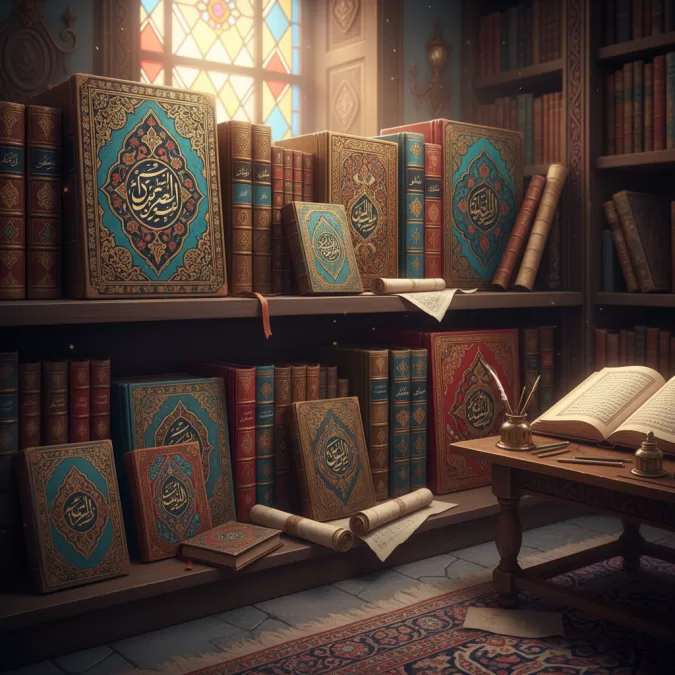
Literary Excellence
Persian women poets enriched world literature through powerful verses addressing universal themes of love, justice, and human experience across multiple generations.
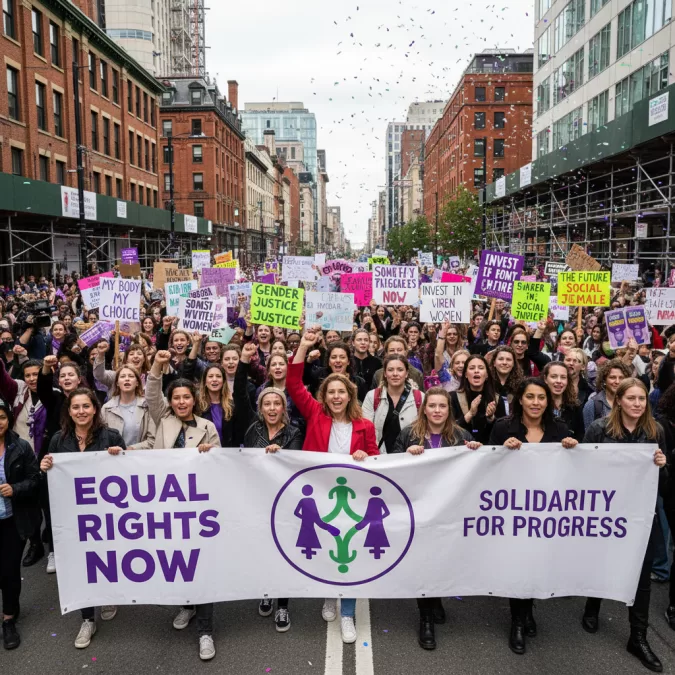
Social Activism
Courageous activists fought for women rights, human rights, and justice despite facing persecution, imprisonment, and exile throughout different historical periods.
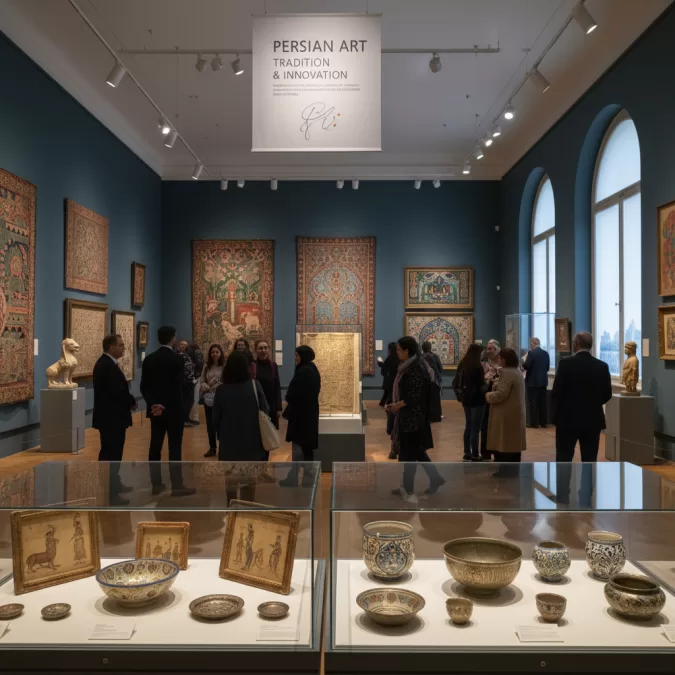
Artistic Innovation
Creative pioneers in film, music, and visual arts expanded cultural expression while bridging Persian traditions with contemporary global artistic movements successfully.

Educational Leadership
Educated women became teachers, professors, and mentors, expanding opportunities for younger generations while advancing knowledge in various academic fields worldwide.
Important Context: These women succeeded despite facing significant barriers including limited educational access, legal restrictions, social prejudices, and political repression. Their achievements become even more remarkable when understood within these challenging historical contexts.
Influence Across the Middle East Region
Iranian women’s cultural contributions extended throughout the Middle East, influencing neighboring societies and inspiring women across the region. Persian culture maintained prestige across centuries, with its language, literature, and artistic traditions spreading widely. The women featured here became role models beyond Iran’s borders.
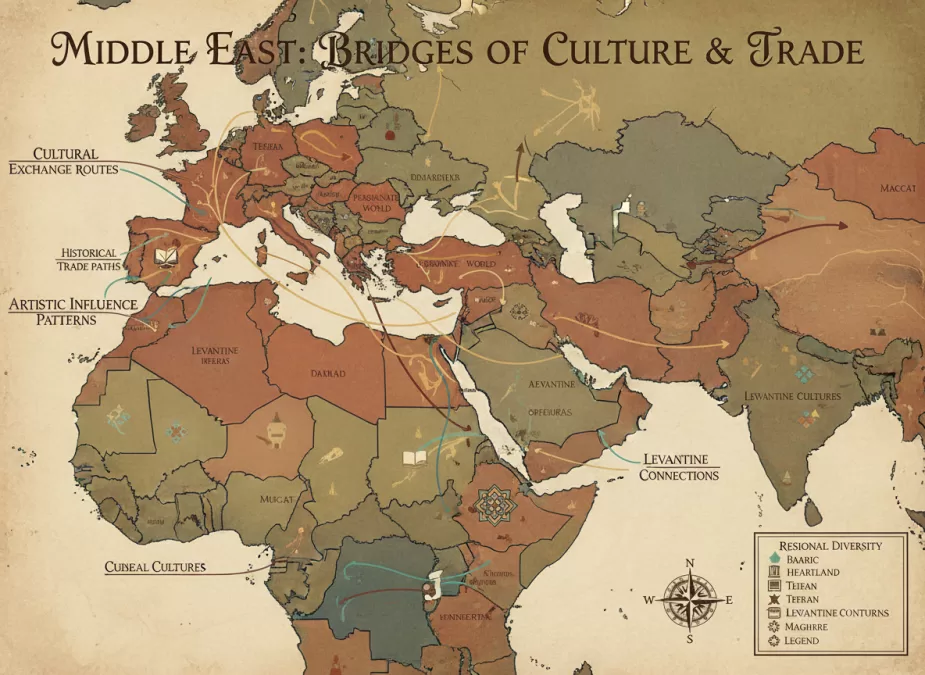
Persian poetry influenced Arabic literature and Turkish culture for centuries. The works of women poets reached audiences throughout the Middle East through translations and cultural exchange. Their themes resonated universally while maintaining distinct Persian character and tradition.
Modern activists and artists from Iran connected with counterparts across the Middle East. They shared strategies, inspired solidarity movements, and demonstrated possibilities for women’s advancement despite varying national contexts. Their courage encouraged similar activism throughout the region and beyond its borders.
Media figures like singers and filmmakers reached audiences from Morocco to Afghanistan. Their art transcended national boundaries while maintaining cultural specificity. They demonstrated how beauty, talent, and substance could combine to create meaningful cultural impact across diverse societies and time periods.
Contemporary Relevance and Ongoing Legacy
The beautiful women in Iranian history continue influencing contemporary society through their enduring legacies. Their writings remain bestsellers, their activism inspires current movements, and their courage provides models for addressing today’s challenges. Understanding their stories offers perspectives on persistent issues facing women globally.
- Literary works continuously studied in schools
- Legal precedents established by activist lawyers
- Artistic innovations inspiring new creators
- Role models for aspiring leaders and activists
- Documentation of women’s experiences preserved
- International recognition of Persian culture
Lasting Positive Impacts
- Restrictions on women rights persist in some areas
- Censorship limits artistic and literary expression
- Political repression affects activists and dissidents
- Access to education varies by region and class
- Economic opportunities remain limited for many women
- Cultural debates about modernity and tradition continue
Continuing Challenges

Today, millions of Iranian women pursue education, professional careers, and artistic endeavors. They build on foundations established by pioneers featured in this article. Social media enables new forms of activism and cultural expression. Young women reference historical figures while creating their own paths and defining beauty on their own terms.
The diaspora community maintains connections to cultural heritage while adapting to life in various countries. Second and third generation Iranian women balance multiple cultural influences. They draw strength from historical examples while navigating contemporary realities. The stories presented here provide continuity across generations and geographical dispersal.
Frequently Asked Questions
Who was the most influential woman in Iranian history?
Many women made profound contributions, making it difficult to identify a single most influential figure. Shirin Ebadi’s Nobel Peace Prize brought international recognition. Forugh Farrokhzad revolutionized Persian poetry. Princess Taj al-Saltaneh challenged royal conventions through activism and writing. Each woman influenced different aspects of Iranian culture and society significantly.
How did beauty standards change in Iran over time?
Beauty standards evolved dramatically from the Qajar dynasty through modern times. During the Qajar dynasty, fuller figures and joined eyebrows were considered beautiful. The Pahlavi era introduced Western-influenced standards emphasizing slender figures. After the Islamic Revolution, public beauty expression changed due to mandatory veiling. Today, diverse standards coexist, influenced by tradition, religion, and global media simultaneously.
What role did Persian women play in literature?
Persian women made exceptional contributions to literature as poets and writers. Parvin Etesami created socially conscious poetry addressing inequality. Forugh Farrokhzad broke taboos with frank, personal verses. Simin Behbahani revitalized traditional forms while addressing contemporary issues. Their works remain widely read and studied, influencing literature throughout the Middle East and beyond national borders.
Who was the first Iranian woman in space?
Anousheh Ansari became the first Iranian woman in space in 2006. She traveled to the International Space Station as a private space explorer. Born in Mashhad, Iran, she immigrated to the United States and became a successful technology entrepreneur before pursuing her childhood dream of space travel. Her mission inspired millions globally.
What challenges did Iranian women activists face?
Iranian women activists faced numerous challenges including legal restrictions on women rights, government harassment and surveillance, imprisonment for political activities, censorship of artistic and literary work, limited educational and professional opportunities, and social pressures to conform to traditional roles. Despite these obstacles, many persisted in their advocacy and achieved remarkable accomplishments.
How did the Islamic Revolution affect women artists?
The Islamic Revolution of 1979 dramatically impacted women artists in Iran. Female singers like Googoosh faced performance bans lasting decades. Actresses could no longer appear in films without hijab. Many artists left Iran to continue their work abroad. Others adapted to new restrictions while continuing creative expression within permissible boundaries. The revolution fundamentally changed the landscape for women’s artistic participation.
Continue Exploring Remarkable Women in History
The stories of beautiful women in Iranian history demonstrate how true beauty encompasses courage, intelligence, creativity, and commitment to positive change. These ten women represent countless others who contributed to Persian culture and influenced the world. Their legacies continue inspiring people today across all backgrounds and nationalities.
Stay Connected with History That Inspires
Join our community of over 10,000 history enthusiasts receiving weekly profiles of extraordinary women from diverse cultures and time periods. Discover untold stories that challenge assumptions and celebrate human achievement.
Women Leaders of the Middle East
Explore profiles of influential women who shaped politics, culture, and society throughout the Middle East region across different historical periods and countries.
Persian Art and Cultural Heritage
Dive deep into the rich artistic traditions of Persian culture, exploring how women contributed to and preserved cultural heritage across centuries of change.
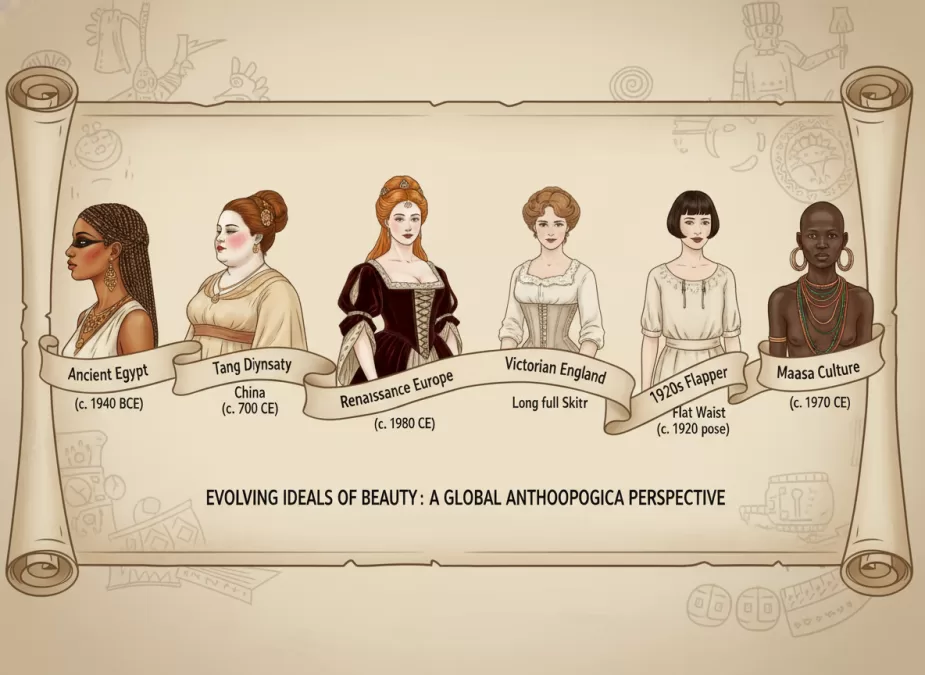
Beauty Standards Through Centuries
Examine how beauty standards evolved across different cultures and time periods, revealing the cultural constructs underlying perceptions of physical attractiveness worldwide.
Conclusion: Beauty as Legacy and Inspiration
The beautiful women in Iranian history showcased throughout this article demonstrate that genuine beauty transcends physical appearance. Their lasting legacies stem from courage, creativity, intellectual brilliance, and dedication to meaningful causes. They challenged restrictions, expanded possibilities, and inspired countless people across generations and geographical boundaries.
From Qajar dynasty princesses to Nobel Prize winners, these women navigated complex cultural landscapes while maintaining their integrity and pursuing their visions. Their stories reveal the diversity of Iranian women’s experiences across different time periods. They succeeded in varied fields including literature, activism, entertainment, science, and art.
Understanding these remarkable individuals provides valuable perspective on Persian culture, women rights movements, and human potential. Their achievements continue inspiring people today who face their own challenges and pursue their own dreams. The beautiful women in Iranian history remain vital examples of resilience, creativity, and determination for future generations worldwide.

Priyanka Pandey
Senior Research Editor · Top10Sense
Priyanka specializes in tech, consumer products, and digital trends. She combines hands-on testing, vendor interviews, and database research to create trustworthy “Top 10” rankings. Her work has been referenced by industry blogs and brand report pages.